American Sycamore
Platanus occidentalis · Hardwood · North America
Properties
| Janka hardness | 770 lbf (3,425 N) |
|---|---|
| Average dried weight (est.) | 31 lb/ft³ (490 kg/m³) |
| Specific gravity | 0.49 |
| Modulus of rupture | 10,000 psi (69.0 MPa) |
| Modulus of elasticity | 1.42 million psi (9.79 GPa) |
| Crushing strength | 5,380 psi (37.1 MPa) |
| Shrinkage — radial | 5.0% |
| Shrinkage — tangential | 8.4% |
| Shrinkage — volumetric | 14.1% |
| Shrinkage T/R ratio | 1.7 |
Values at 12% moisture content, clear-wood averages. Source: USDA Forest Products Laboratory, Wood Handbook FPL-GTR-282 (2021), Table 5–3b p. 5–11; shrinkage Table 4–3 p. 4–8.
American sycamore is a moderately heavy, hard bottomland hardwood (specific gravity 0.49, Janka hardness 770 lbf) with good shock resistance. Its interlocked grain makes it difficult to split, which suits it to butcher blocks, handles, and food containers.
Appearance & grain
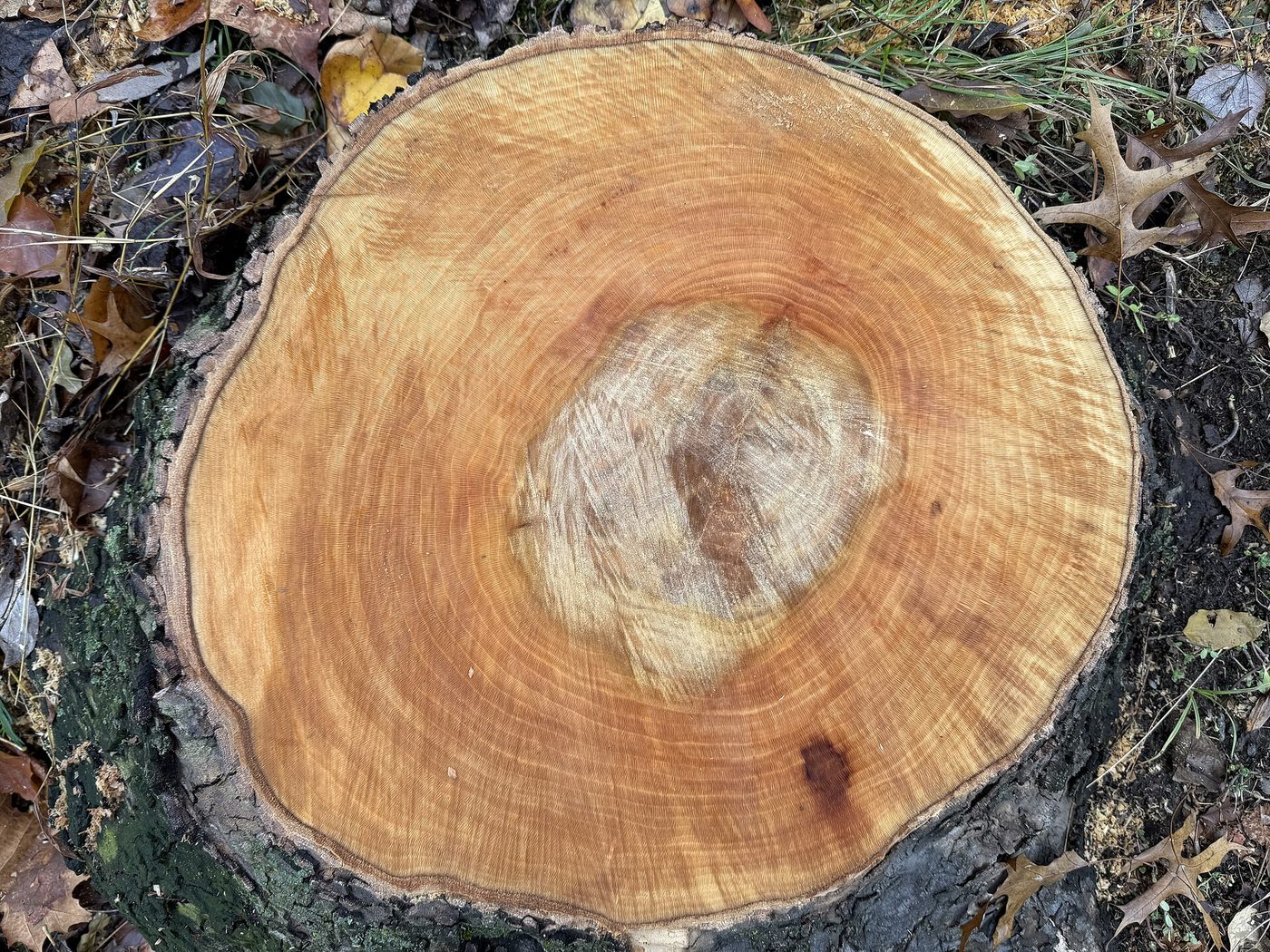
The heartwood is reddish brown, set off by a light-colored sapwood that runs about 2 to 3 inches wide. The texture is fine, and the grain is interlocked rather than straight.
Workability
The Handbook notes a high shrinkage in drying, so stock needs careful seasoning. The interlocked grain that makes sycamore hard to split is an asset in service for items like butcher blocks that take repeated impact.
Common uses
- Furniture
- Flooring
- Butcher blocks
- Handles
- Boxes, especially small food containers
- Pallets
- Veneer for fruit and vegetable baskets
- Decorative veneer panels
- Door skins
- Railroad crossties
- Slack cooperage
- Fence posts
- Fuel
Conservation: IUCN Red List: Least Concern (checked 2026-10-24).
Work with American Sycamore
Similar woods
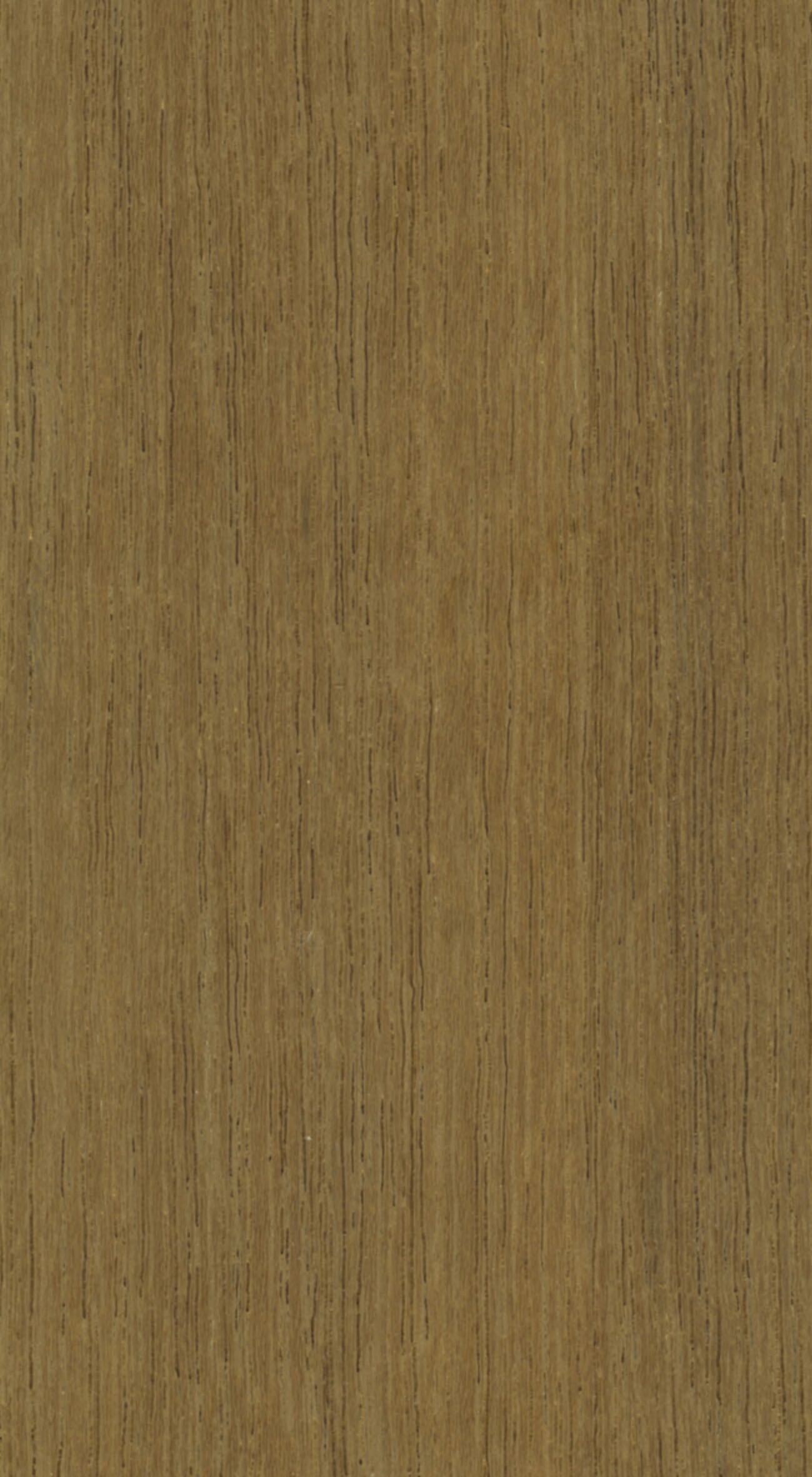
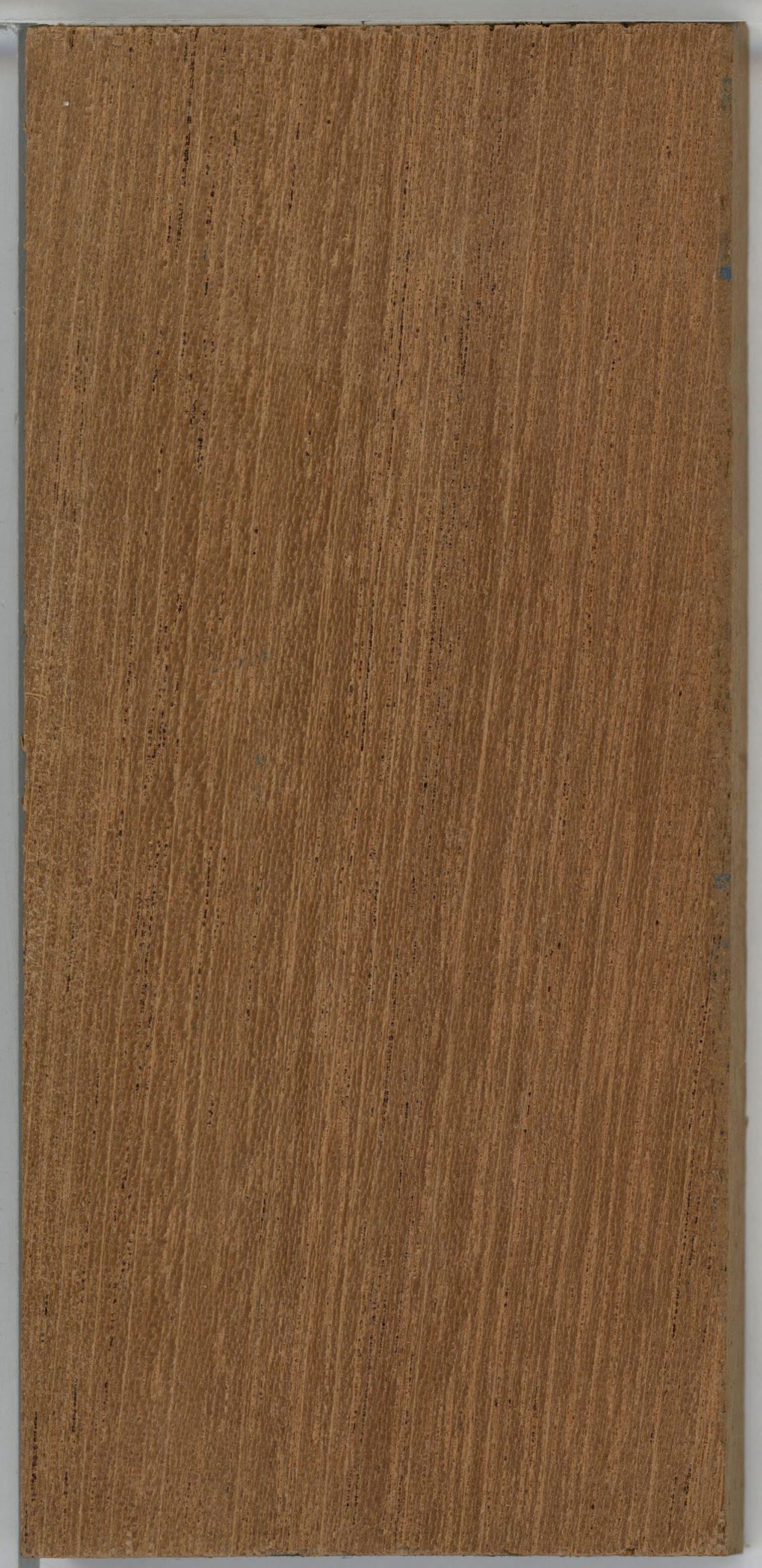
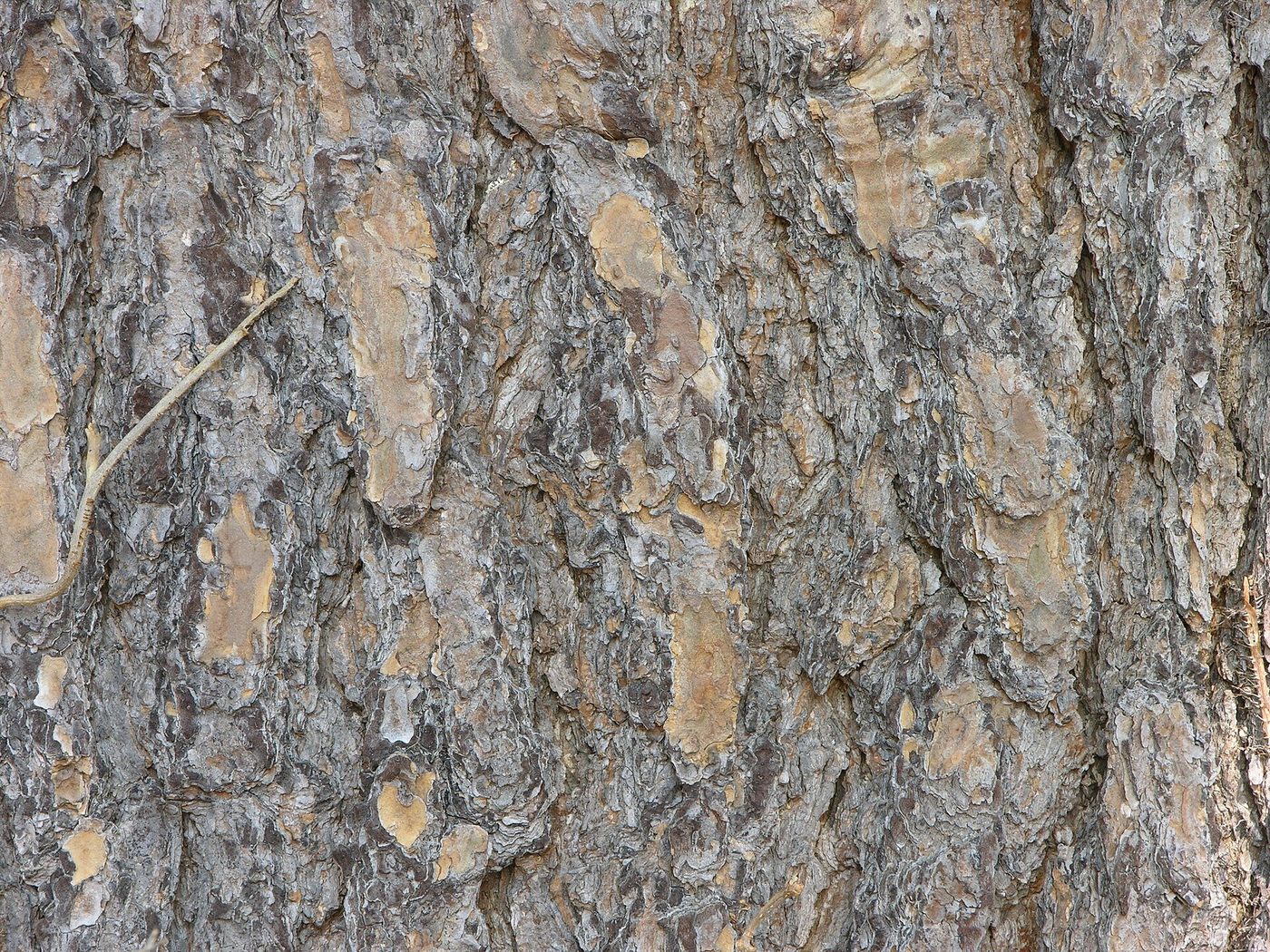
Photo: Famartin · CC BY-SA 4.0 (source)
Property data: USDA Forest Products Laboratory, Wood Handbook — Wood as an Engineering Material, FPL-GTR-282 (2021).