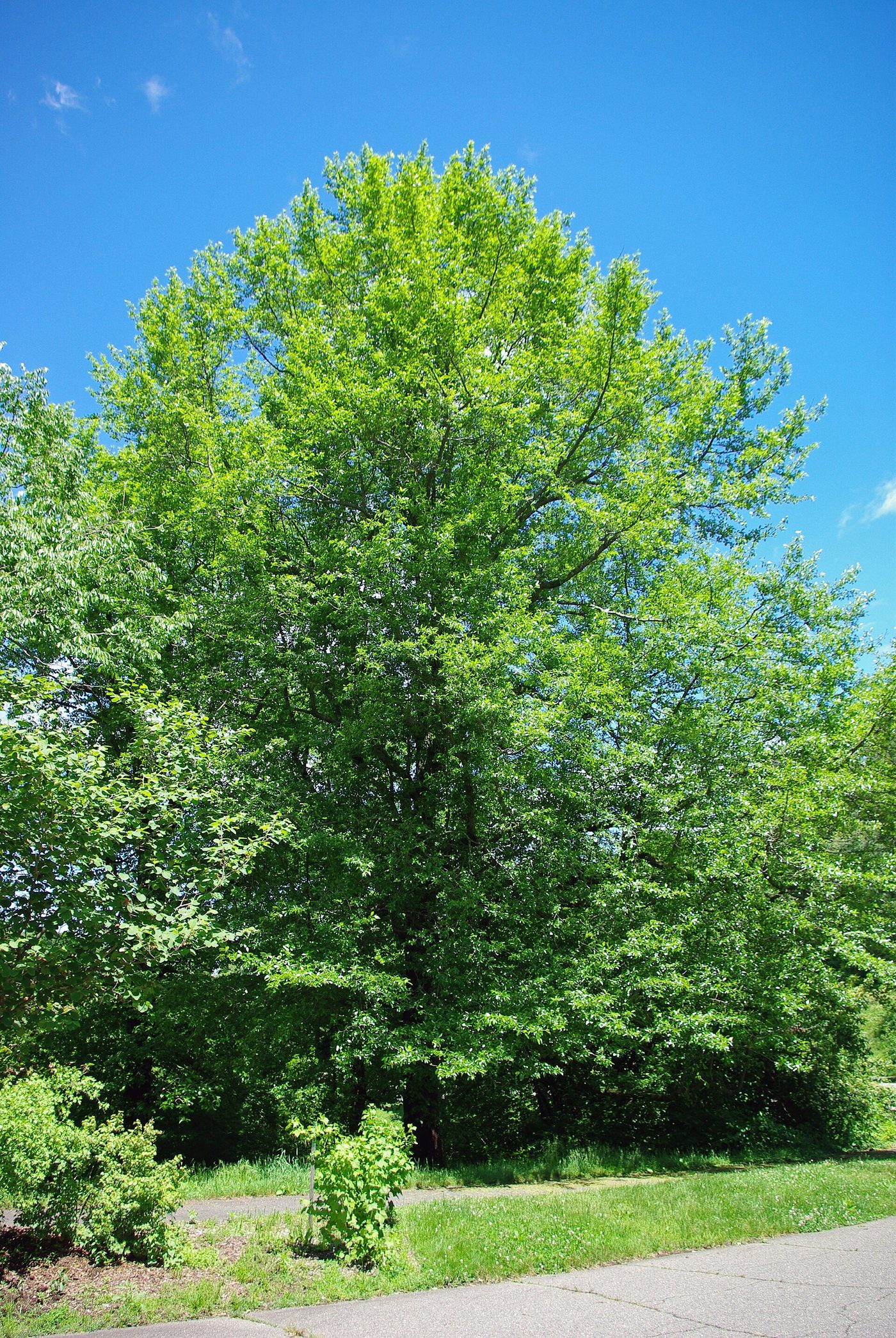
Black Tupelo
Nyssa sylvatica · Hardwood · North America
Properties
| Janka hardness | 810 lbf (3,603 N) |
|---|---|
| Average dried weight (est.) | 31 lb/ft³ (500 kg/m³) |
| Specific gravity | 0.50 |
| Modulus of rupture | 9,600 psi (66.2 MPa) |
| Modulus of elasticity | 1.20 million psi (8.27 GPa) |
| Crushing strength | 5,520 psi (38.1 MPa) |
| Shrinkage — radial | 5.1% |
| Shrinkage — tangential | 8.7% |
| Shrinkage — volumetric | 14.4% |
| Shrinkage T/R ratio | 1.7 |
Values at 12% moisture content, clear-wood averages. Source: USDA Forest Products Laboratory, Wood Handbook FPL-GTR-282 (2021), Table 5–3b p. 5–11; shrinkage Table 4–3 p. 4–8.
Black tupelo is an eastern hardwood with a fine, uniform texture and interlocked grain, sold with the other tupelos as lumber, veneer, and pulpwood. Its lumber goes mainly into boxes, pallets, crates, baskets, and furniture.
Appearance & grain
The heartwood is light brownish gray, merging gradually into the lighter-colored sapwood, which is generally many centimeters wide. The texture is fine and uniform, and the grain is interlocked.
Workability
Because of its interlocked grain, tupelo lumber requires care in drying. The wood is moderately heavy, moderately strong, moderately hard and stiff, and moderately high in shock resistance.
Common uses
- Lumber
- Veneer
- Pulpwood
- Railroad crossties
- Slack cooperage
- Boxes
- Pallets
- Crates
- Baskets
- Furniture
Conservation: IUCN Red List: Least Concern (checked 2026-10-24).
Work with Black Tupelo
Similar woods
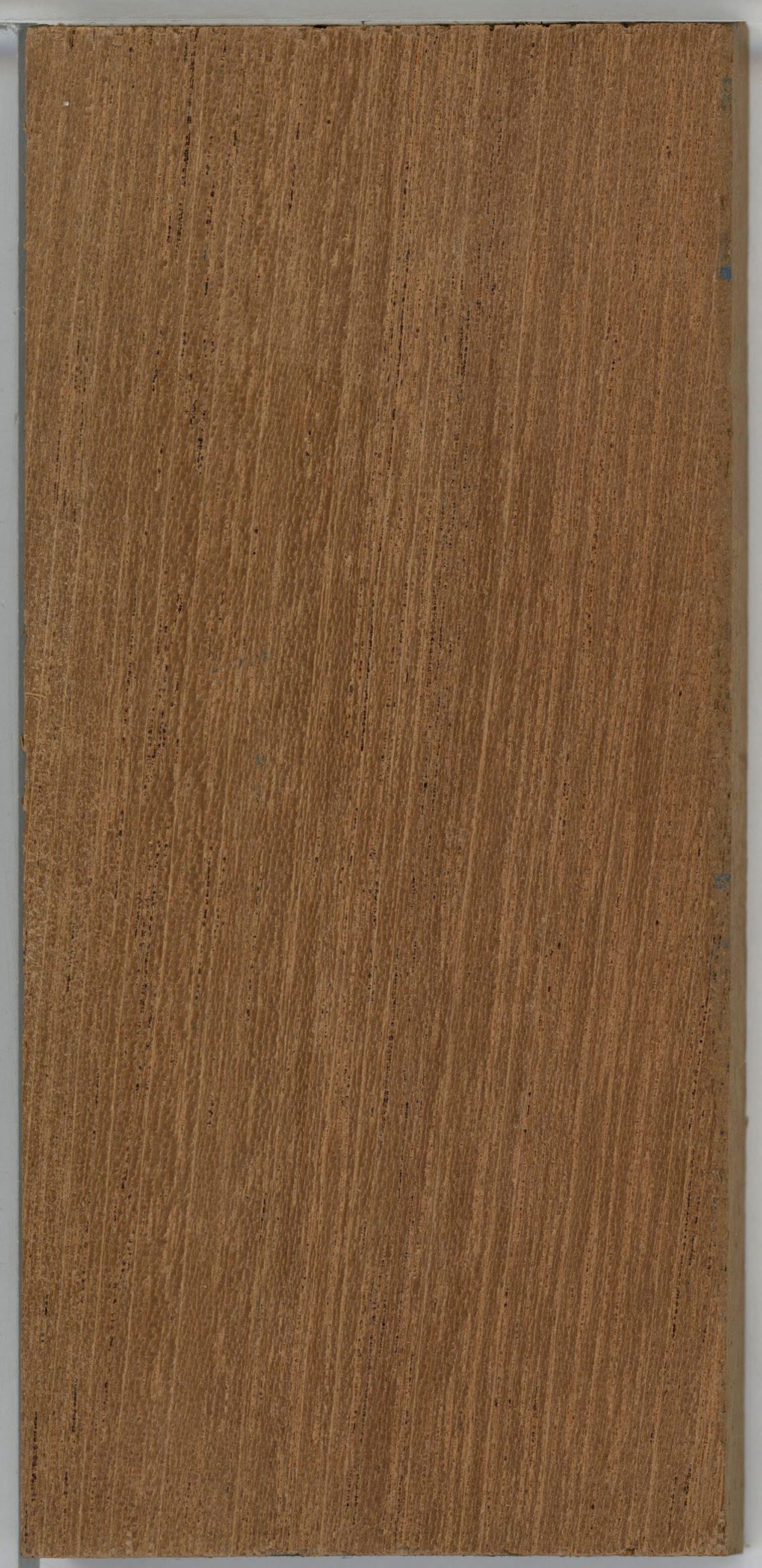
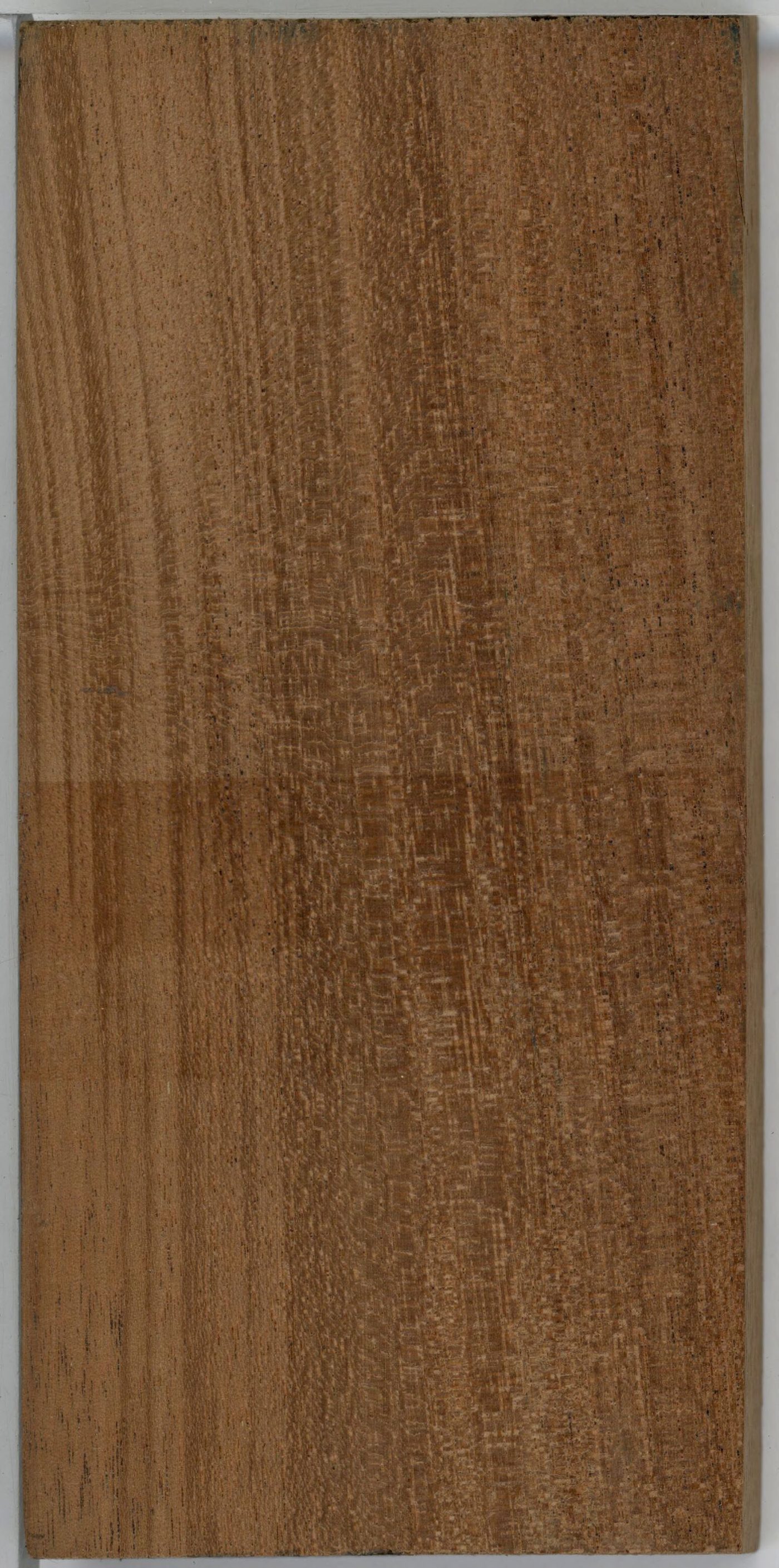
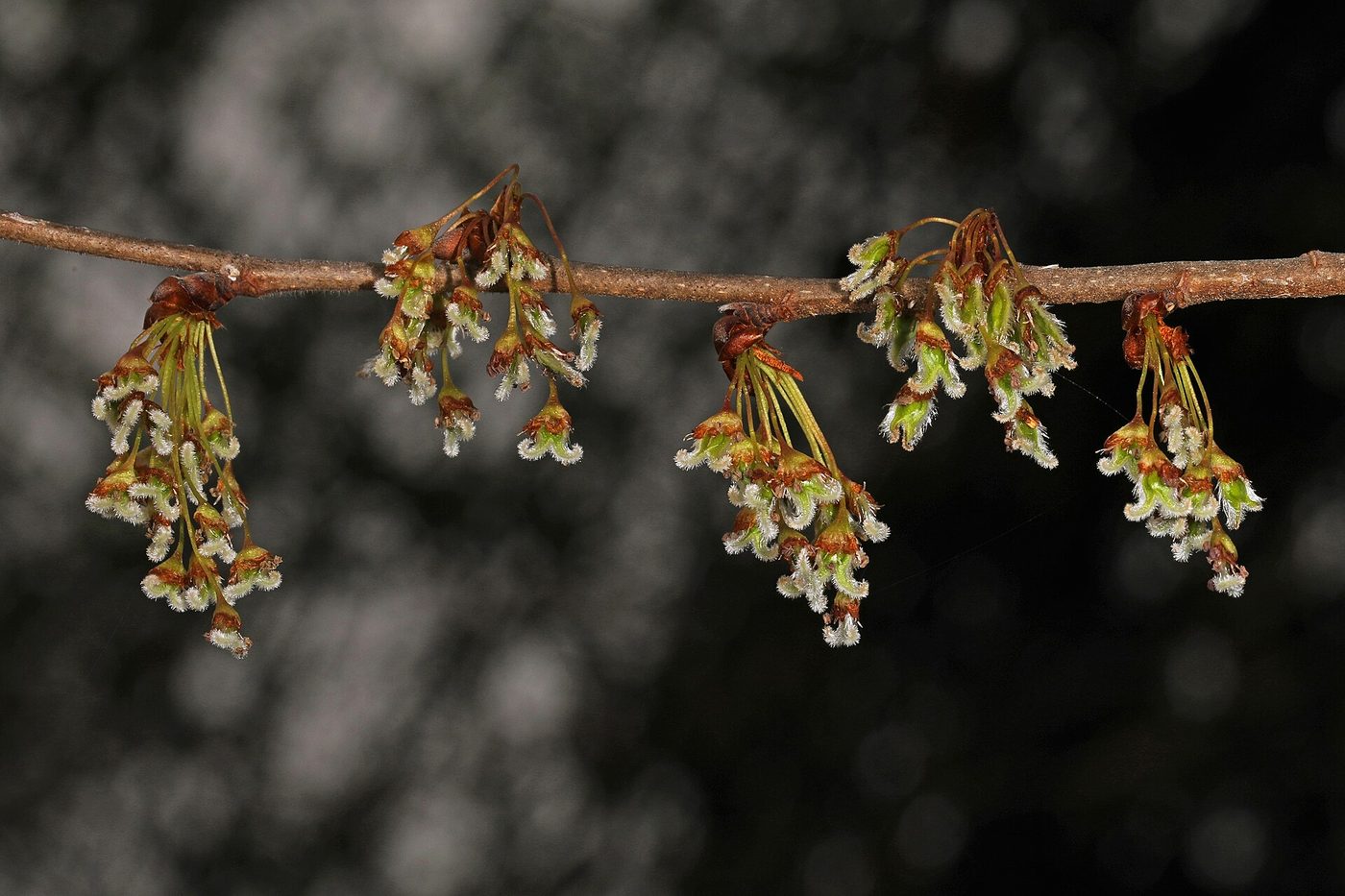
Photo: Bostonian13 · CC BY-SA 3.0 (source)
Property data: USDA Forest Products Laboratory, Wood Handbook — Wood as an Engineering Material, FPL-GTR-282 (2021).