American Beech
Fagus grandifolia · Hardwood · North America
Properties
| Janka hardness | 1,300 lbf (5,782 N) |
|---|---|
| Average dried weight (est.) | 40 lb/ft³ (640 kg/m³) |
| Specific gravity | 0.64 |
| Modulus of rupture | 14,900 psi (102.7 MPa) |
| Modulus of elasticity | 1.72 million psi (11.86 GPa) |
| Crushing strength | 7,300 psi (50.3 MPa) |
| Shrinkage — radial | 5.5% |
| Shrinkage — tangential | 11.9% |
| Shrinkage — volumetric | 17.2% |
| Shrinkage T/R ratio | 2.2 |
Values at 12% moisture content, clear-wood averages. Source: USDA Forest Products Laboratory, Wood Handbook FPL-GTR-282 (2021), Table 5–3b p. 5–9; shrinkage Table 4–3 p. 4–8.
American beech is the only beech native to the United States, growing across the eastern third of the country and into adjacent Canada. Its heavy, hard, strong wood is a classic choice for flooring, furniture, and turned woodenware.
Appearance & grain
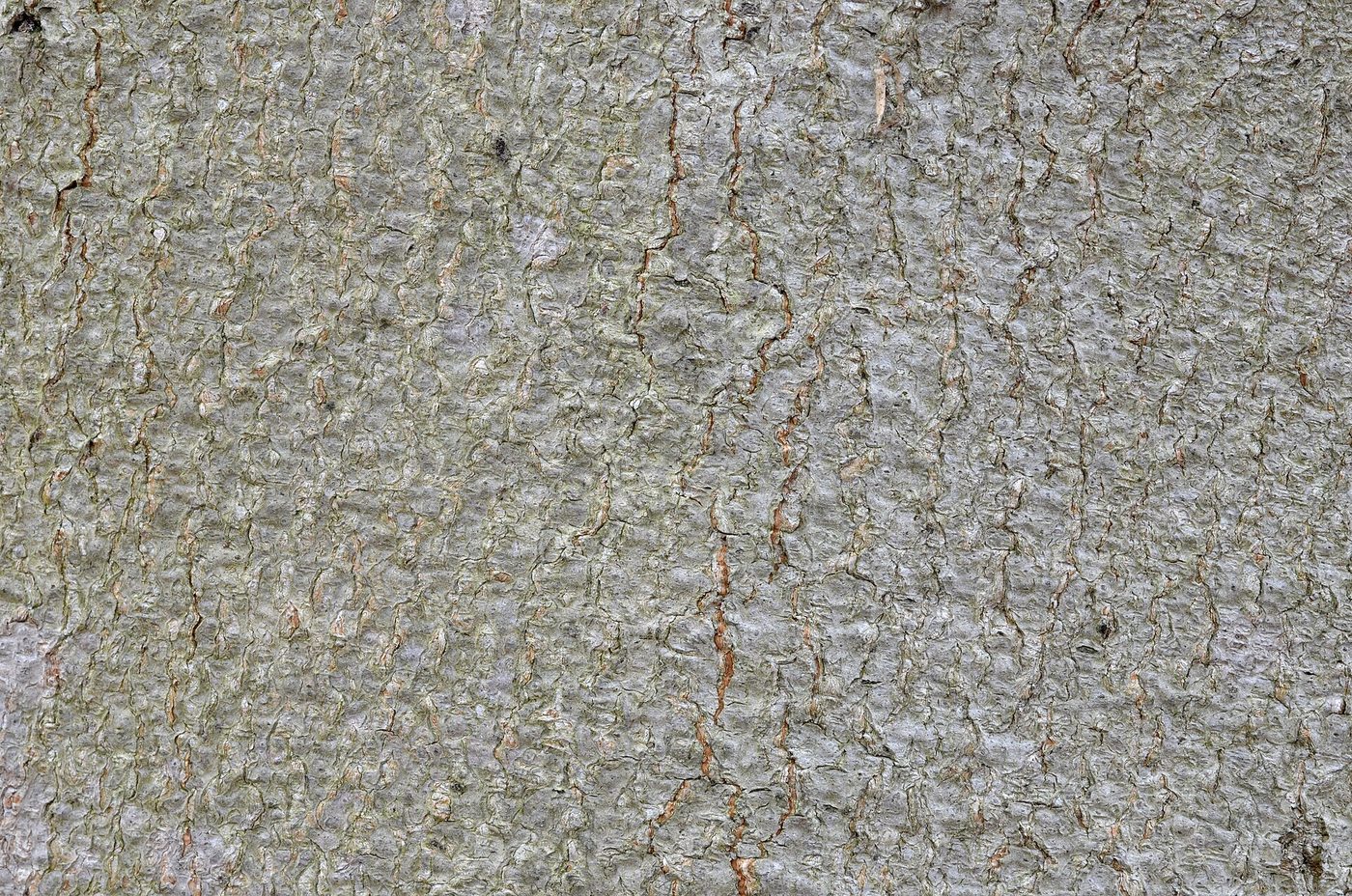
The sapwood is nearly white and fairly wide, roughly 7 to 13 cm, while the heartwood is reddish brown; in some trees the two are not clearly separated. The wood shows little figure, has a close, uniform texture, and has no characteristic taste or odor.
Workability
Beech machines smoothly and is excellent for turning, and it is highly suitable for steam bending. It shrinks substantially as it dries, so careful drying is required, and it is rather easily treated with preservatives.
Common uses
- Flooring
- Furniture
- Brush blocks
- Handles
- Veneer
- Woodenware
- Containers
- Cooperage
- Railway ties (preservative-treated)
Conservation: IUCN Red List: Least Concern (checked 2026-10-24).
Work with American Beech
Similar woods
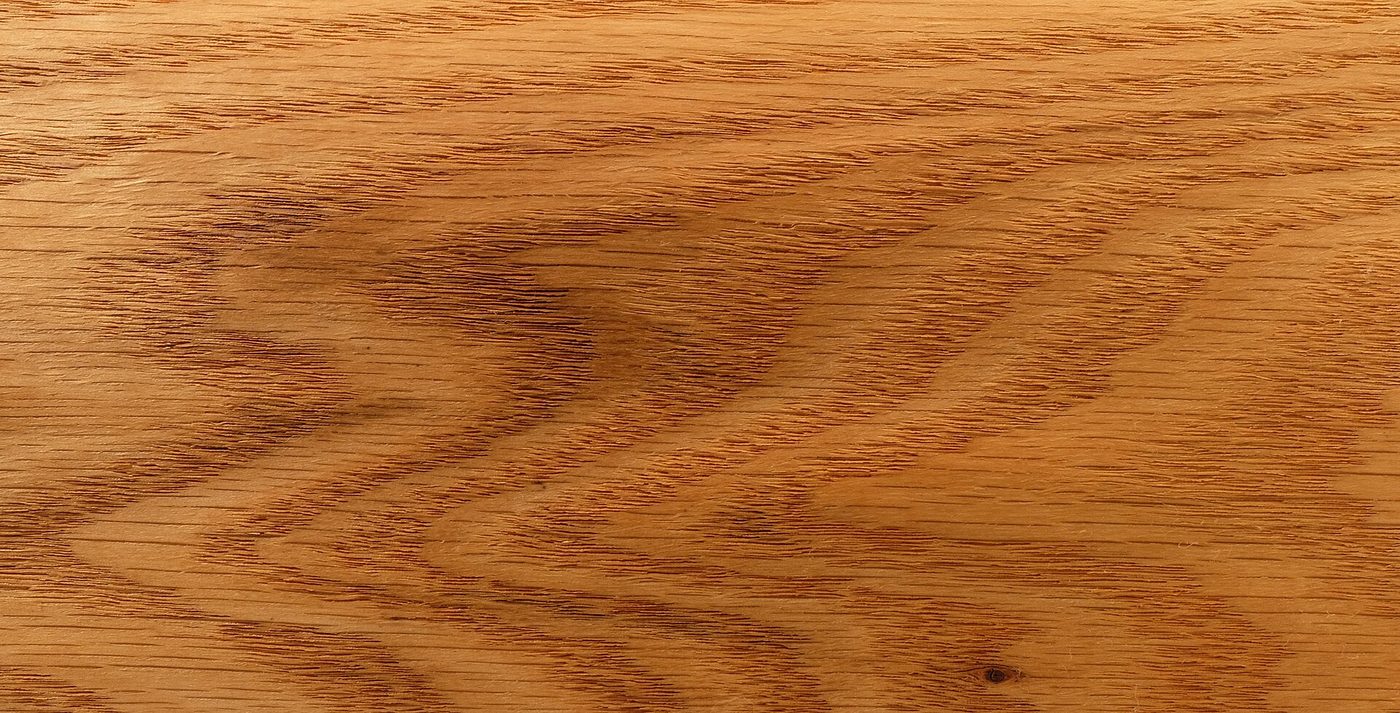
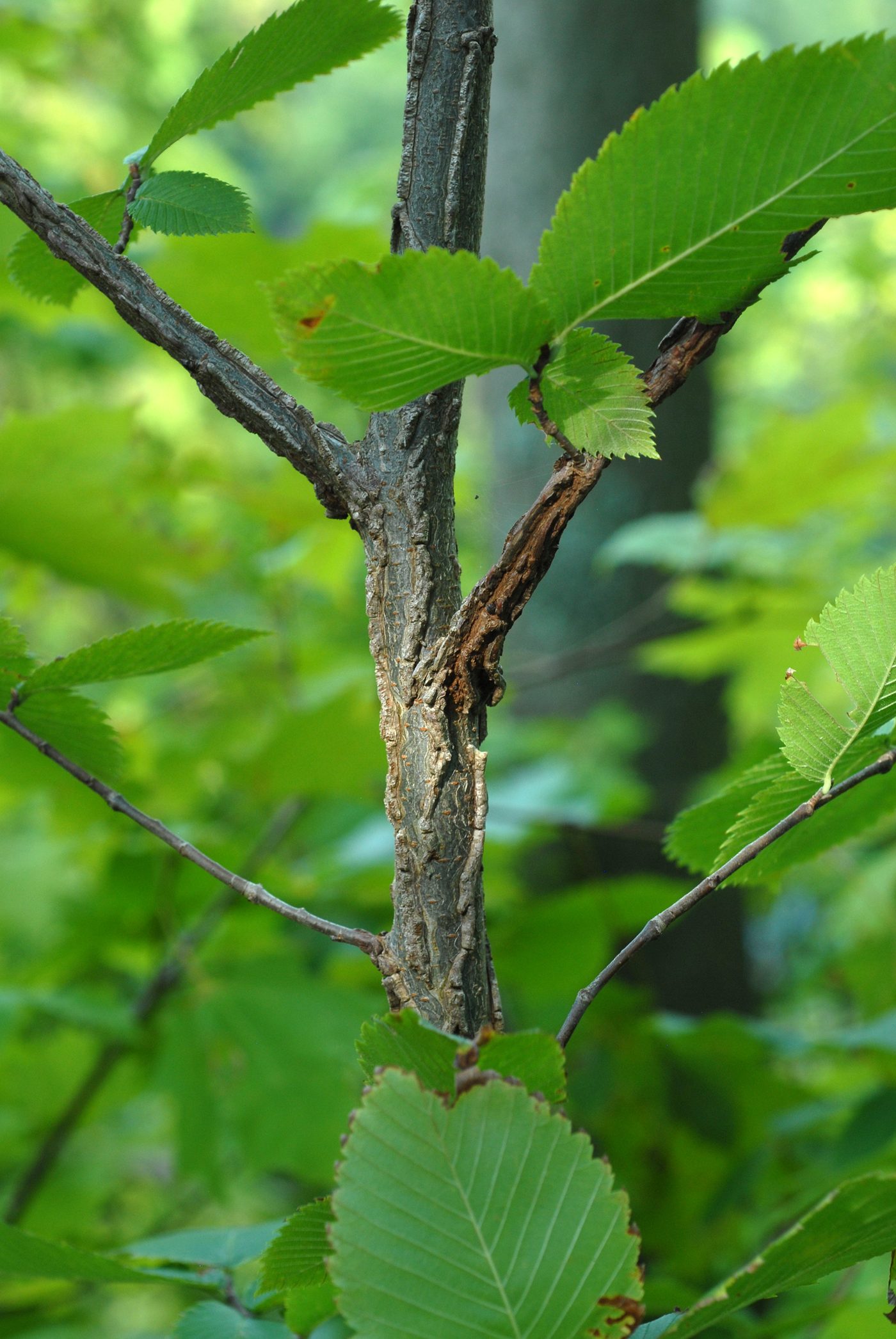
Photo: Derek Ramsey (Ram-Man) · CC BY-SA 4.0 (source)
Property data: USDA Forest Products Laboratory, Wood Handbook — Wood as an Engineering Material, FPL-GTR-282 (2021).