Balsam Fir
Abies balsamea (L.) Mill. · Softwood · North America
Properties
| Janka hardness | 380 lbf (1,690 N) |
|---|---|
| Average dried weight (est.) | 22 lb/ft³ (350 kg/m³) |
| Specific gravity | 0.35 |
| Modulus of rupture | 9,200 psi (63.4 MPa) |
| Modulus of elasticity | 1.45 million psi (10.00 GPa) |
| Crushing strength | 5,280 psi (36.4 MPa) |
| Shrinkage — radial | 2.9% |
| Shrinkage — tangential | 6.9% |
| Shrinkage — volumetric | 11.2% |
| Shrinkage T/R ratio | 2.4 |
Values at 12% moisture content, clear-wood averages. Source: USDA Forest Products Laboratory, Wood Handbook FPL-GTR-282 (2021), Table 5–3b p. 5–12; shrinkage Table 4–3 p. 4–8.
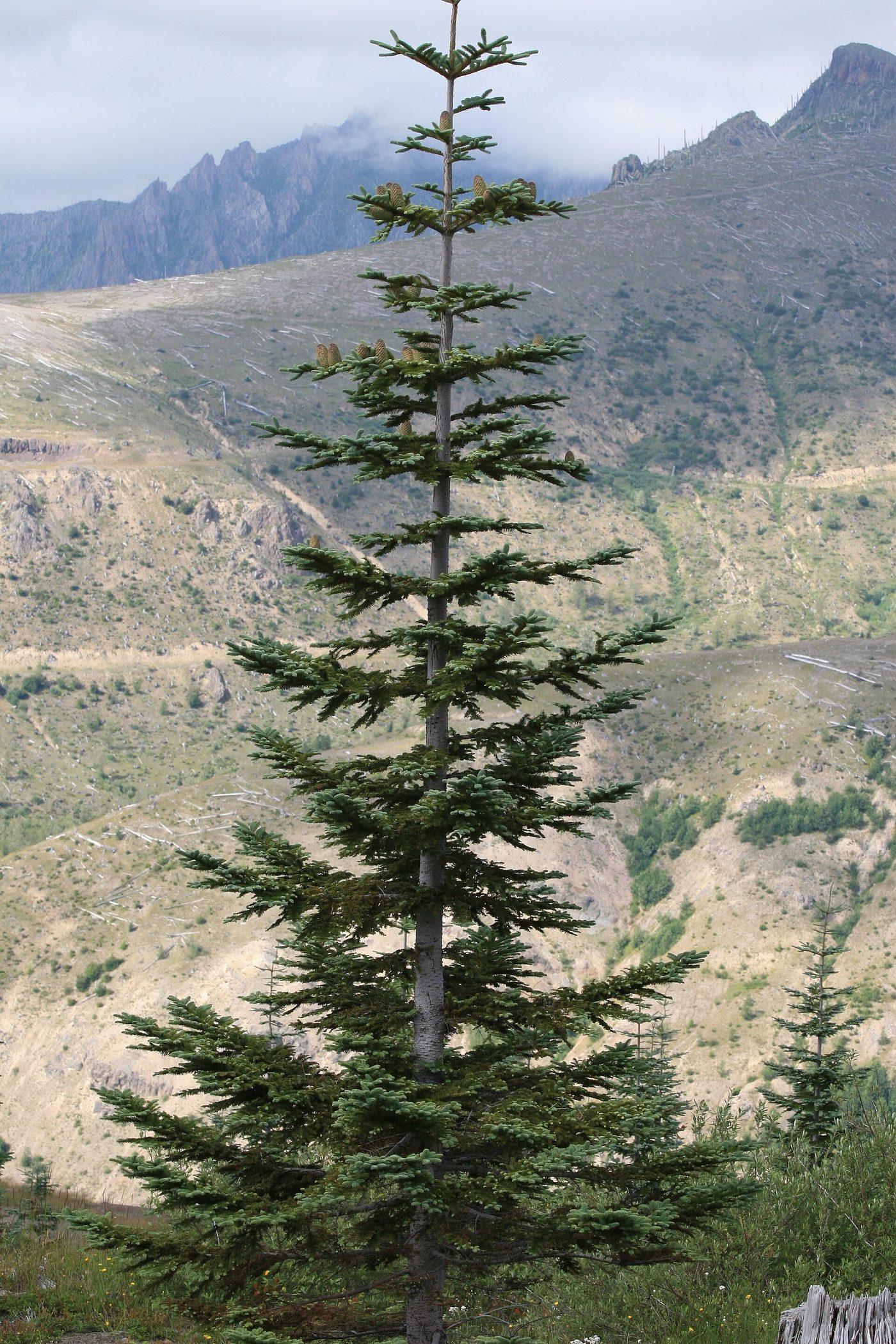
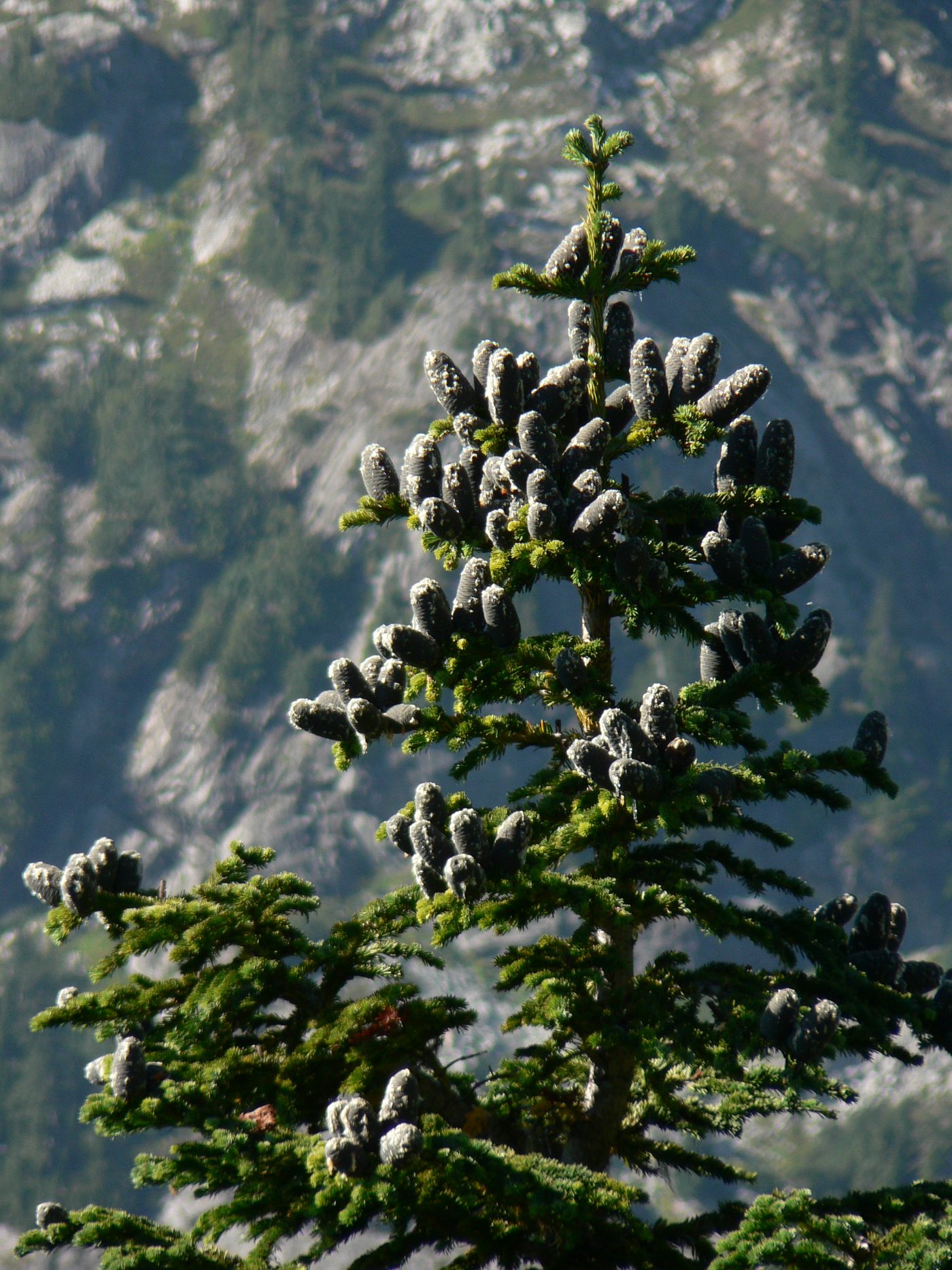
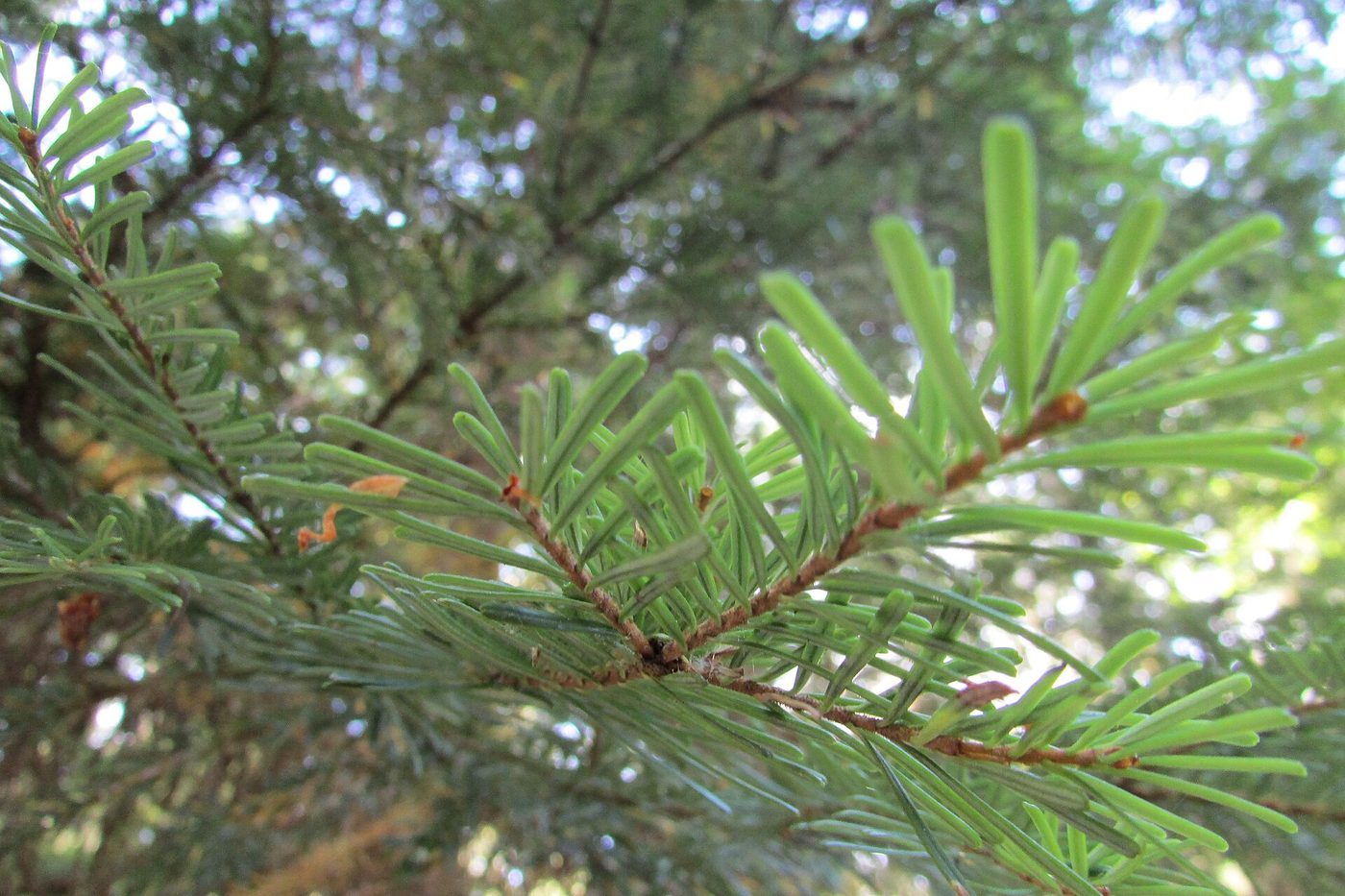
Balsam fir is a lightweight eastern true fir (specific gravity 0.35, Janka hardness 380 lbf) used mainly for pulpwood. Some lumber is produced, especially in New England and the Great Lakes states, for structural products, boxes, pallets, and crates.
Appearance & grain
The wood is creamy white to pale brown. Heartwood and sapwood are generally indistinguishable from each other.
Workability
The Handbook rates balsam fir as lightweight, low in bending and compressive strength, moderately low in stiffness, soft, and low in shock resistance. It is a pulpwood species first, with lumber a secondary product.
Common uses
- Pulpwood
- Structural lumber
- Boxes
- Pallets
- Crates
Conservation: IUCN Red List: Least Concern (checked 2026-10-24).