Balsam Poplar
Populus balsamifera · Hardwood · North America
Properties
| Average dried weight (est.) | 21 lb/ft³ (340 kg/m³) |
|---|---|
| Specific gravity | 0.34 |
| Modulus of rupture | 6,800 psi (46.9 MPa) |
| Modulus of elasticity | 1.10 million psi (7.58 GPa) |
| Crushing strength | 4,020 psi (27.7 MPa) |
| Shrinkage — radial | 3.0% |
| Shrinkage — tangential | 7.1% |
| Shrinkage — volumetric | 10.5% |
| Shrinkage T/R ratio | 2.4 |
Values at 12% moisture content, clear-wood averages. Source: USDA Forest Products Laboratory, Wood Handbook FPL-GTR-282 (2021), Table 5–3b p. 5–9; shrinkage Table 4–3 p. 4–8.
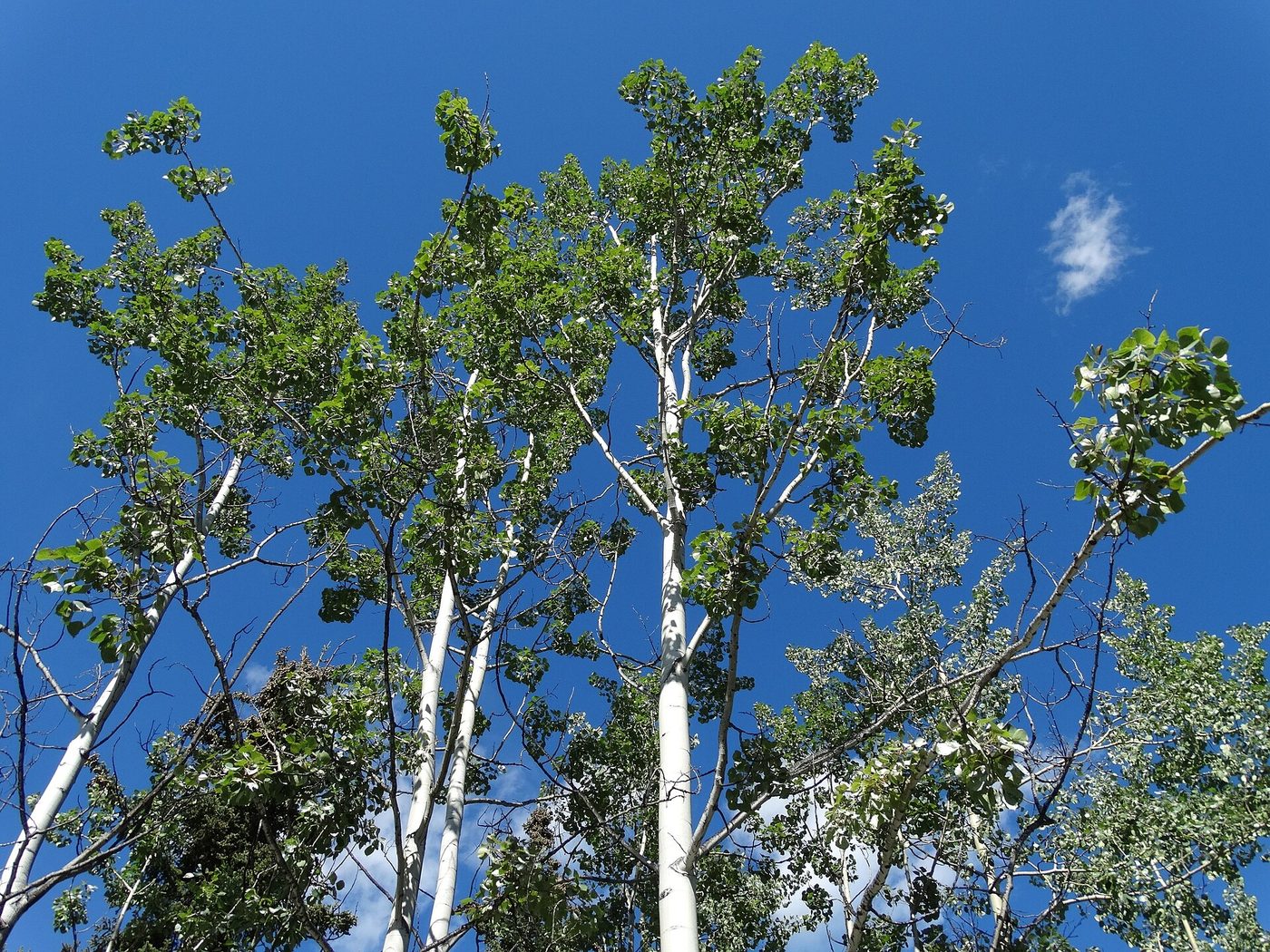
Balsam poplar is a light, soft northern member of the cottonwood group (specific gravity 0.34, bending strength 6,800 psi), grown across Canada and the northern United States. Like the other cottonwoods, it goes mainly into boxes, crates, pulpwood, and other utility products rather than fine work.
Appearance & grain
The heartwood ranges from grayish white to light brown. The sapwood is whitish and blends into the heartwood gradually, without a sharp boundary. The texture is uniform, the grain generally straight, and the dried wood is odorless.
Workability
The Handbook cautions that some cottonwood is difficult to work because tension wood in the log can leave a fuzzy surface after machining. Otherwise the wood is light and soft, and it is handled much like the rest of the cottonwood group.
Common uses
- Lumber
- Veneer
- Pulpwood
- Excelsior
- Boxes
- Crates
- Baskets
- Pallets
- Fuel
Conservation: IUCN Red List: Least Concern (checked 2026-10-24).
Work with Balsam Poplar
Similar woods
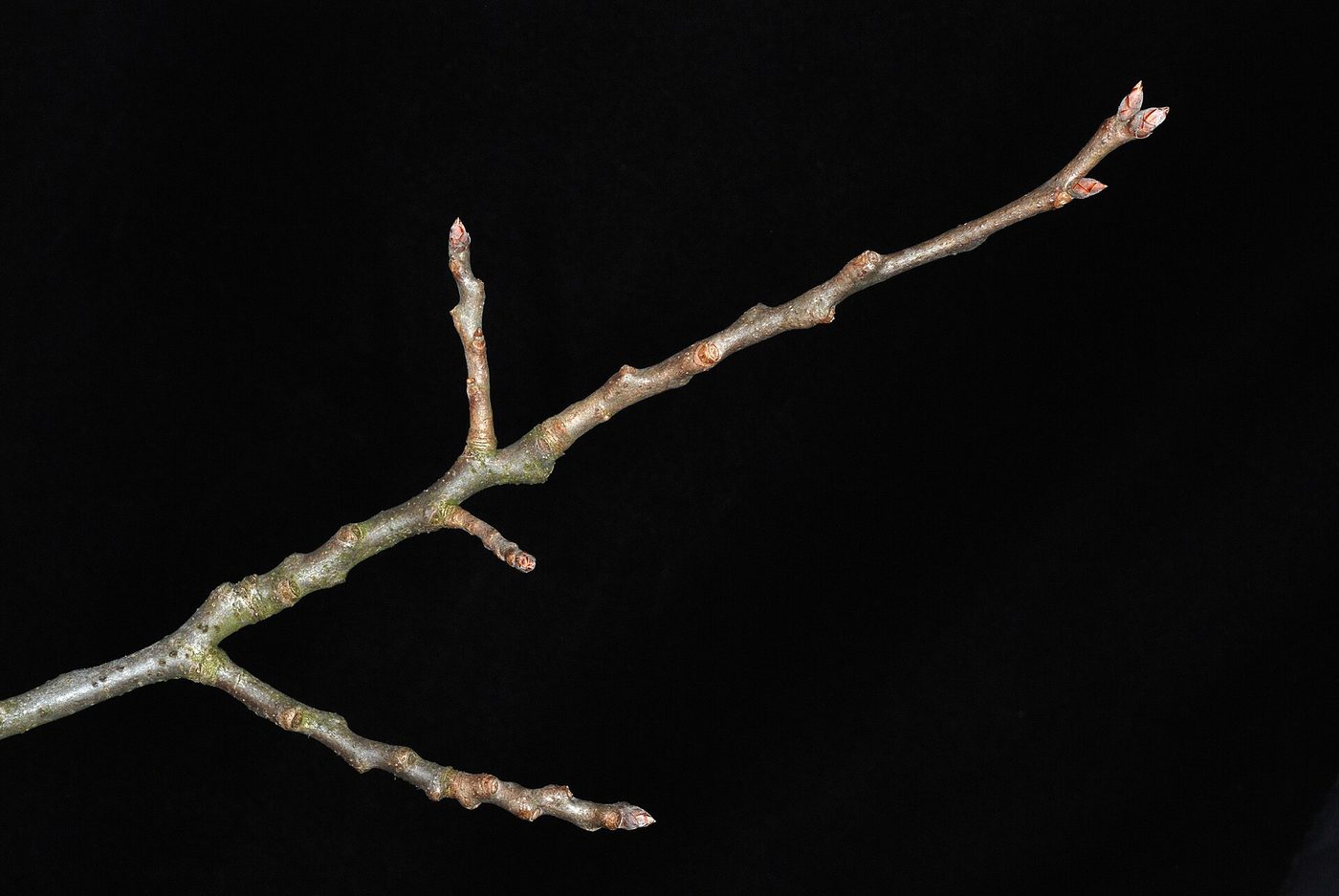
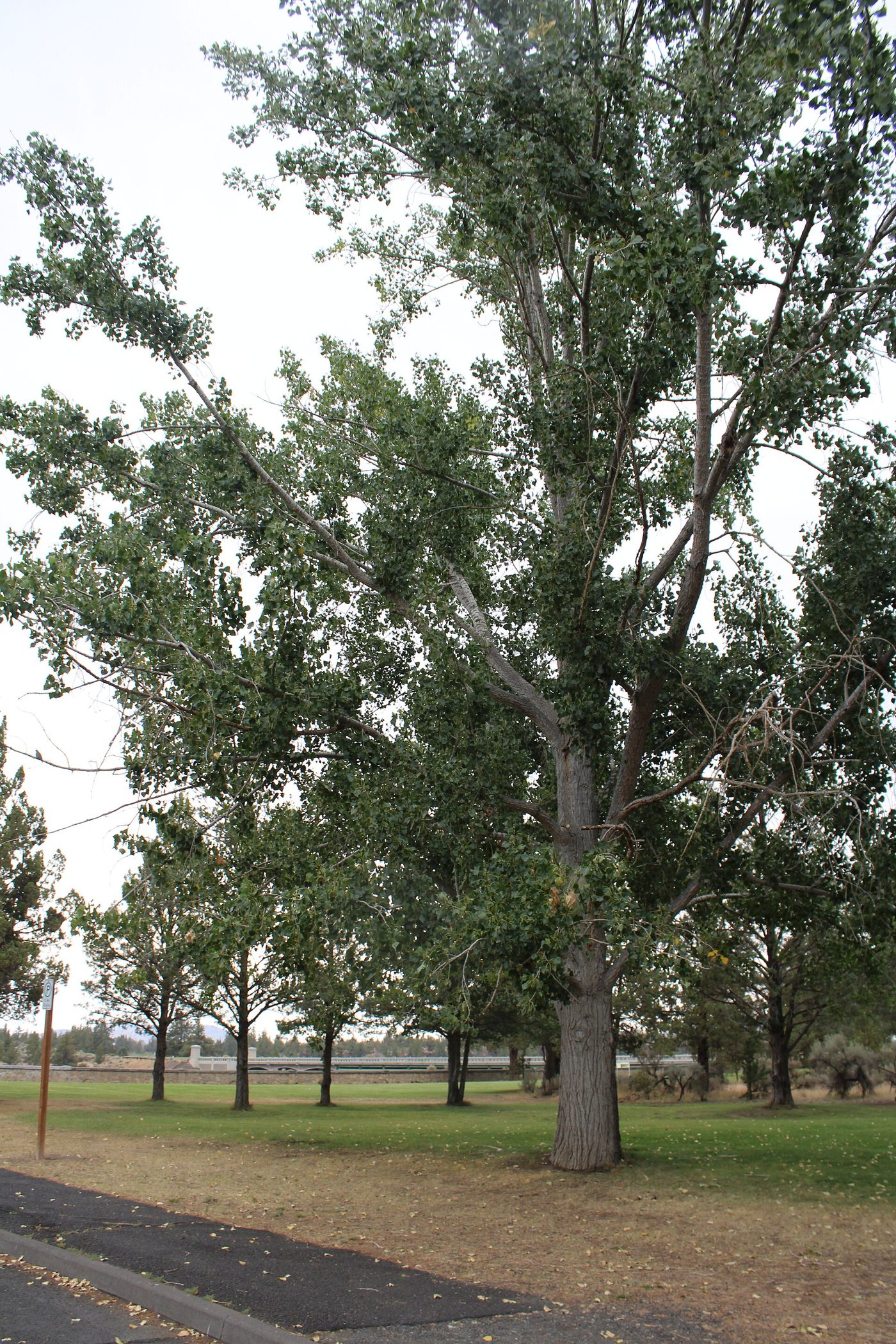
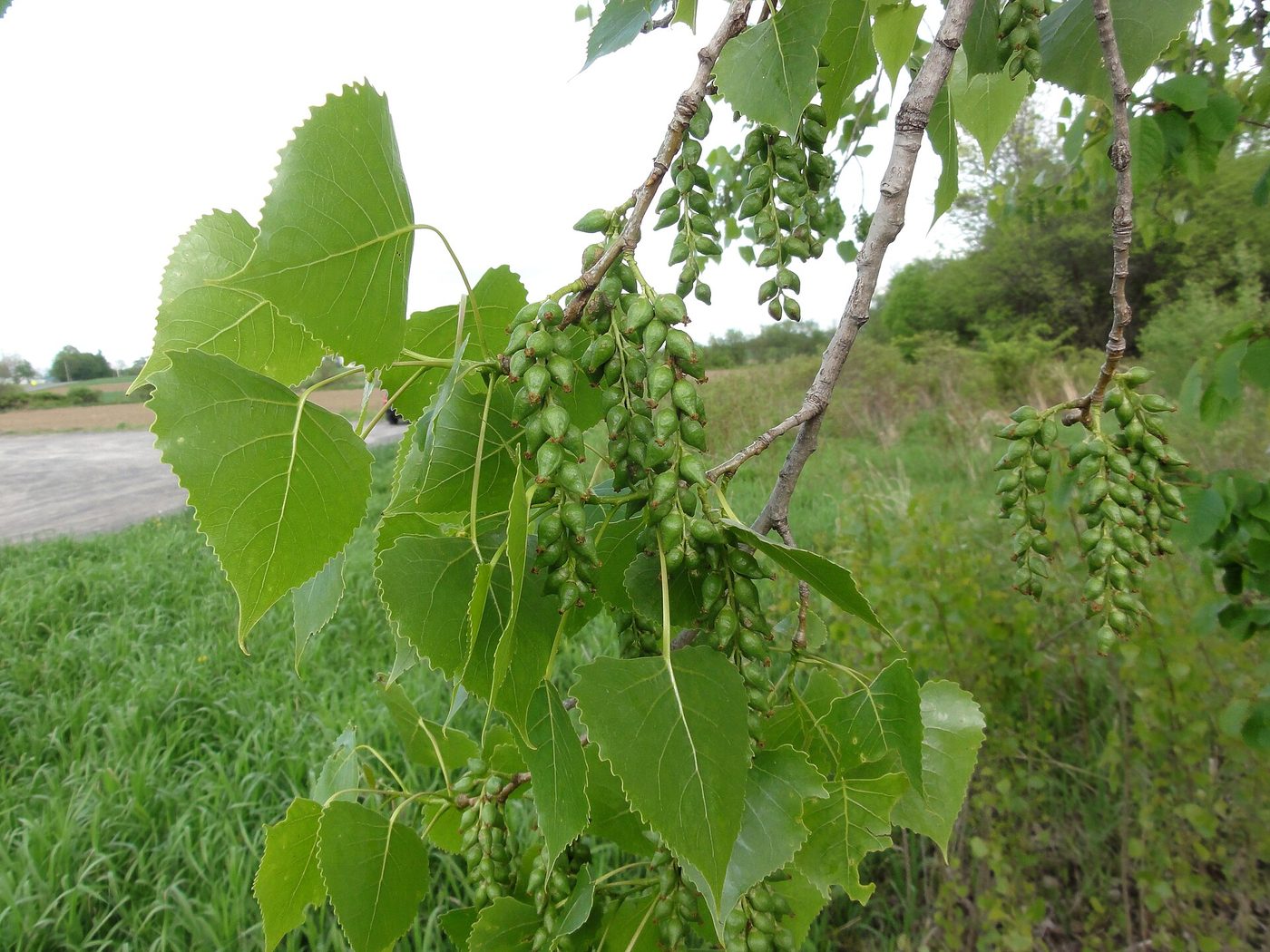
Photo: Adam Jones, Ph.D. · CC BY-SA 3.0 (source)
Property data: USDA Forest Products Laboratory, Wood Handbook — Wood as an Engineering Material, FPL-GTR-282 (2021).