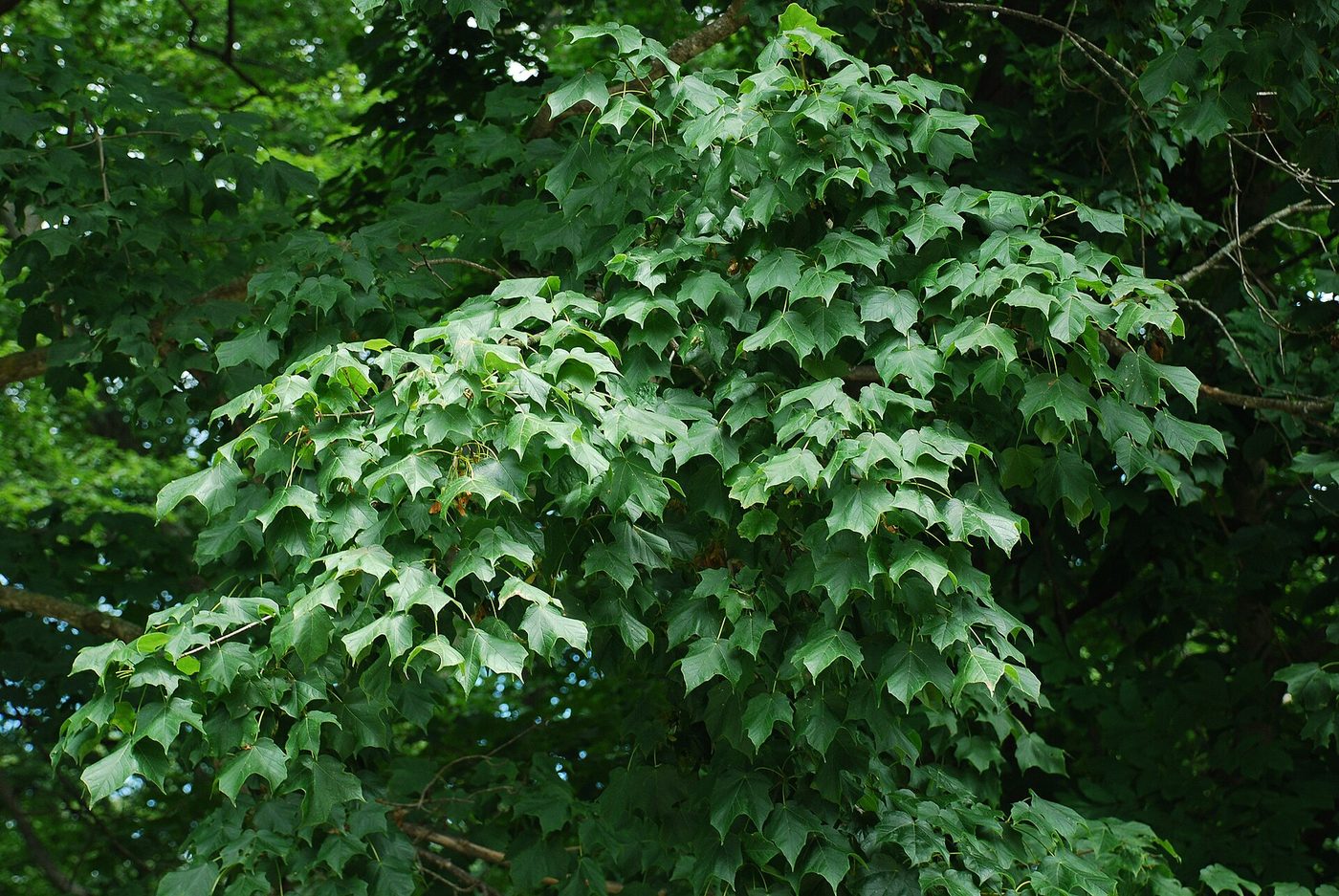
Black Maple
Acer nigrum · Hardwood · North America
Properties
| Janka hardness | 1,180 lbf (5,249 N) |
|---|---|
| Average dried weight (est.) | 36 lb/ft³ (570 kg/m³) |
| Specific gravity | 0.57 |
| Modulus of rupture | 13,300 psi (91.7 MPa) |
| Modulus of elasticity | 1.62 million psi (11.17 GPa) |
| Crushing strength | 6,680 psi (46.1 MPa) |
| Shrinkage — radial | 4.8% |
| Shrinkage — tangential | 9.3% |
| Shrinkage — volumetric | 14.0% |
| Shrinkage T/R ratio | 1.9 |
Values at 12% moisture content, clear-wood averages. Source: USDA Forest Products Laboratory, Wood Handbook FPL-GTR-282 (2021), Table 5–3b p. 5–10; shrinkage Table 4–3 p. 4–8.
Black maple is sold together with sugar maple as hard maple, a heavy, hard, stiff wood (specific gravity 0.57, Janka hardness 1,180 lbf) with a fine, uniform texture. It is a standard wood for flooring, furniture, and cabinets.
Appearance & grain
The heartwood is usually light reddish brown, though it is sometimes darker. The sapwood is commonly white with a slight reddish-brown tinge and can run 8 to 12 cm wide. The texture is fine and uniform, and figured grain such as birdseye, curly, and fiddleback is selected out for furniture and novelties.
Workability
The Handbook describes hard maple as heavy, strong, stiff, hard, and resistant to shock, with high shrinkage in drying. The grain is generally straight.
Common uses
- Flooring
- Furniture
- Cabinets
- Cutting boards and blocks
- Pianos
- Billiard cues
- Handles
- Bowling alleys
- Dance and gymnasium floors
- Veneer
Conservation: IUCN Red List: Least Concern (checked 2026-10-24).
Work with Black Maple
Similar woods
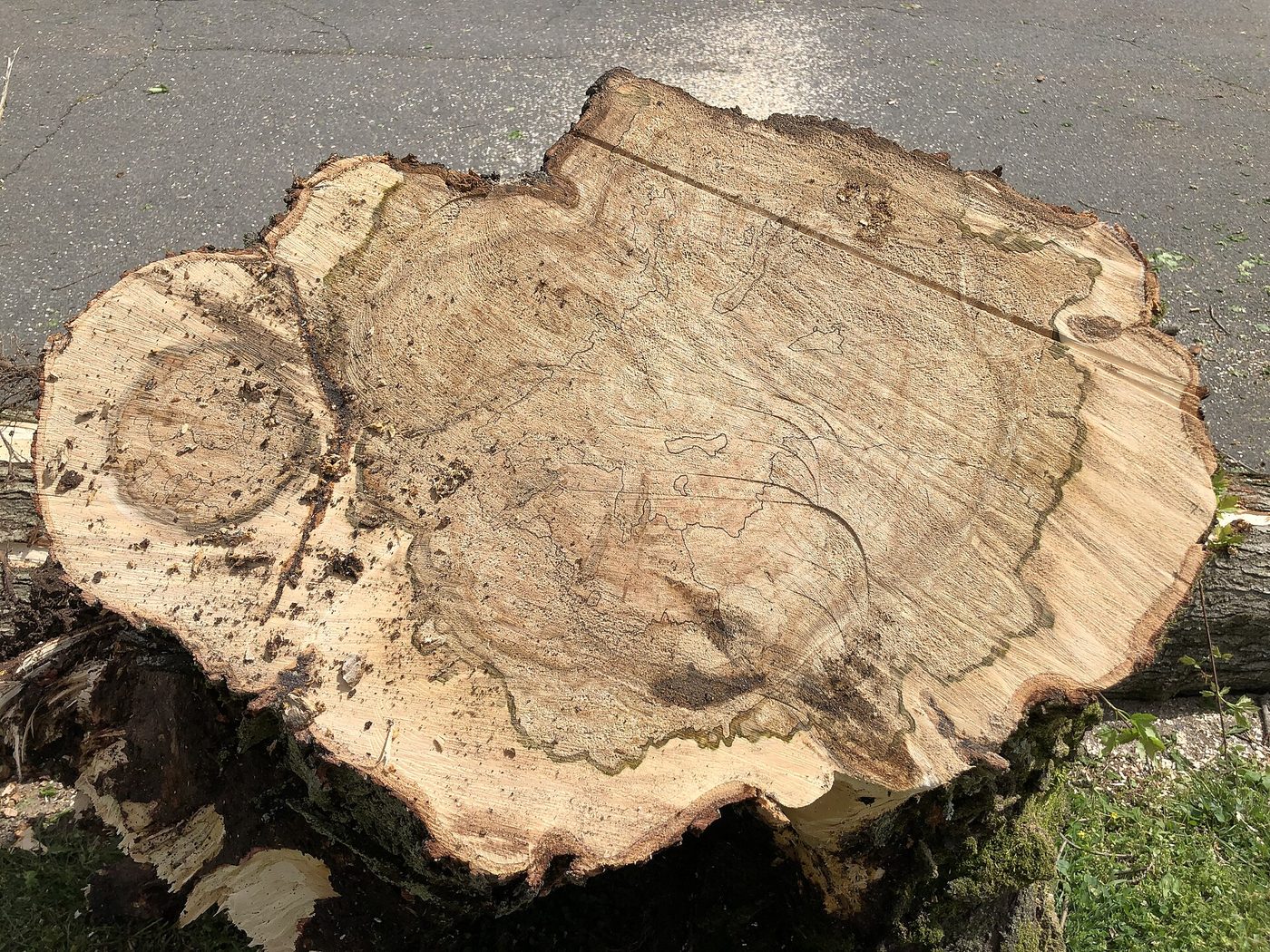
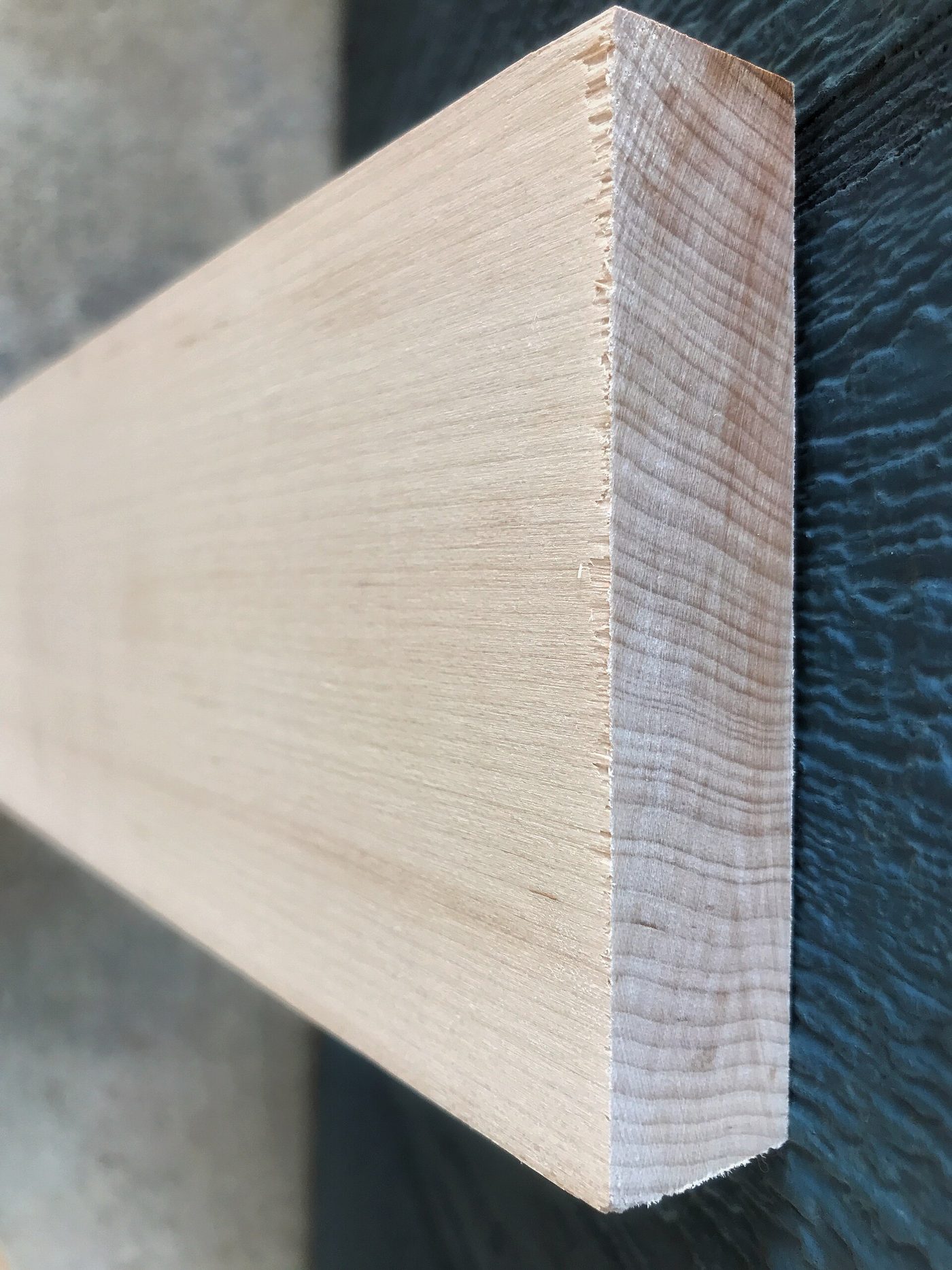
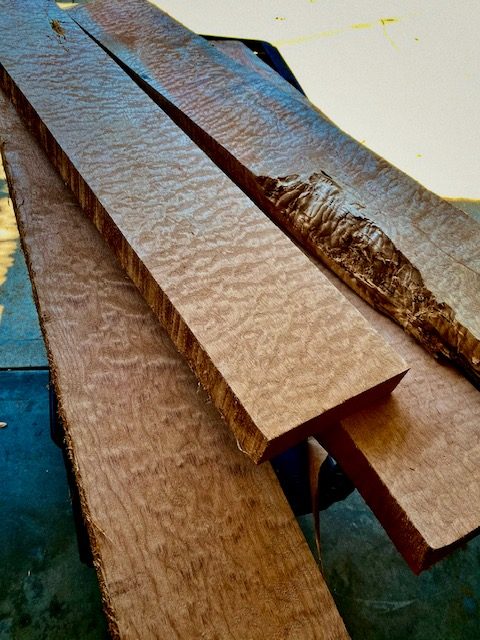
Photo: Douglas Goldman · CC BY-SA 4.0 (source)
Property data: USDA Forest Products Laboratory, Wood Handbook — Wood as an Engineering Material, FPL-GTR-282 (2021).