Red Maple
Acer rubrum · Hardwood · North America
Properties
| Janka hardness | 950 lbf (4,226 N) |
|---|---|
| Average dried weight (est.) | 34 lb/ft³ (540 kg/m³) |
| Specific gravity | 0.54 |
| Modulus of rupture | 13,400 psi (92.4 MPa) |
| Modulus of elasticity | 1.64 million psi (11.31 GPa) |
| Crushing strength | 6,540 psi (45.1 MPa) |
| Shrinkage — radial | 4.0% |
| Shrinkage — tangential | 8.2% |
| Shrinkage — volumetric | 12.6% |
| Shrinkage T/R ratio | 2.0 |
Values at 12% moisture content, clear-wood averages. Source: USDA Forest Products Laboratory, Wood Handbook FPL-GTR-282 (2021), Table 5–3b p. 5–10; shrinkage Table 4–3 p. 4–8.
Red maple is the principal species in the soft maple group (specific gravity 0.54, Janka hardness 950 lbf) — lighter, softer, and not as strong as hard maple, but a versatile furniture and utility hardwood. It fills much the same product list as hard maple where top strength is not required.
Appearance & grain
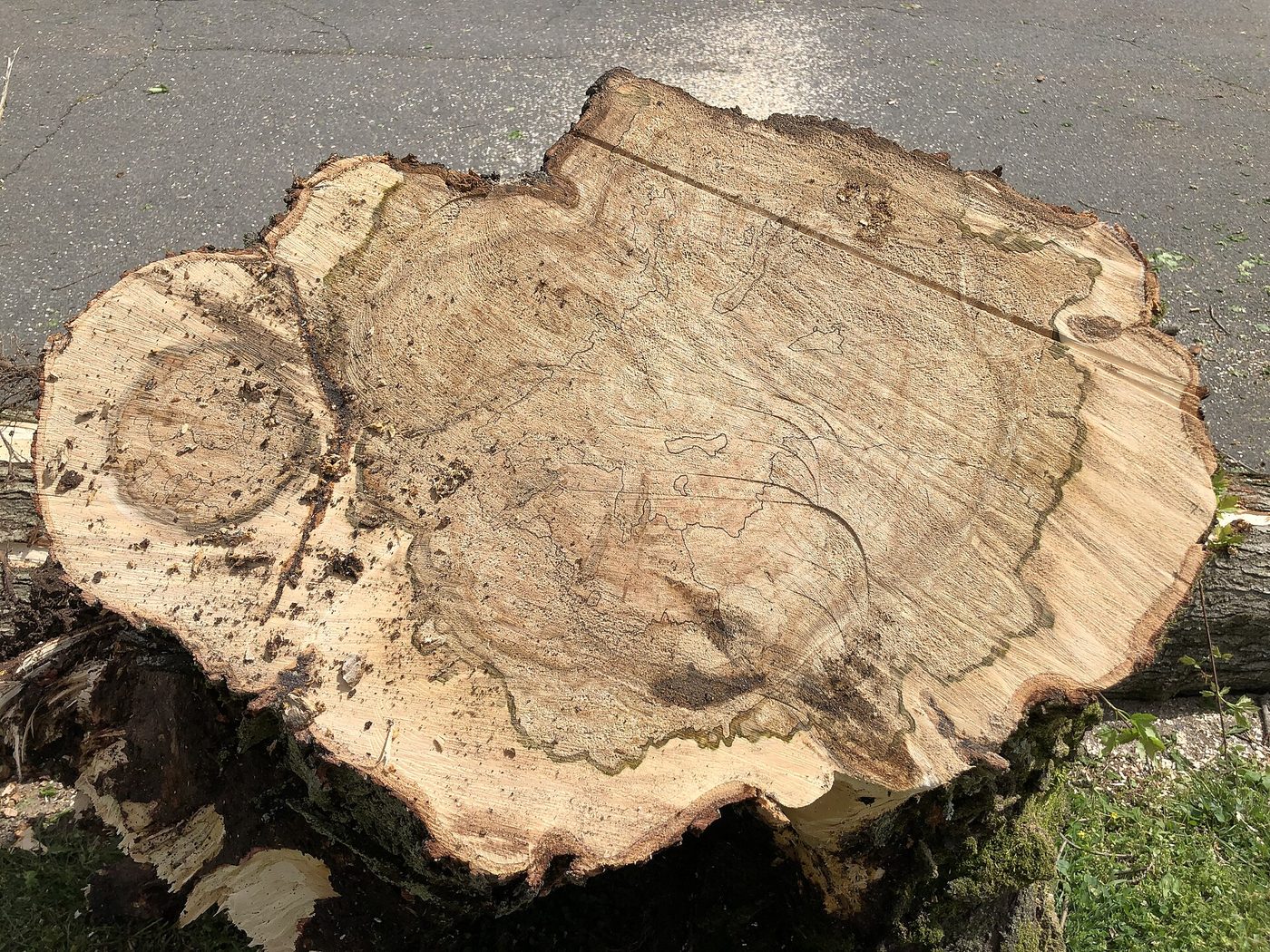
Red maple belongs to the soft maple group, whose wood resembles hard maple in general appearance. The sapwood is somewhat lighter in color than the heartwood.
Workability
The Handbook gives no separate machining statement for the soft maples; it positions them against hard maple as the lighter, less hard alternative. Red maple is handled commercially as a general-purpose furniture and millwork hardwood.
Common uses
- Furniture
- Veneer
- Railroad crossties
- Boxes
- Pallets
- Crates
- Woodenware
- Novelties
Conservation: IUCN Red List: Least Concern (checked 2026-10-24).
Work with Red Maple
Similar woods
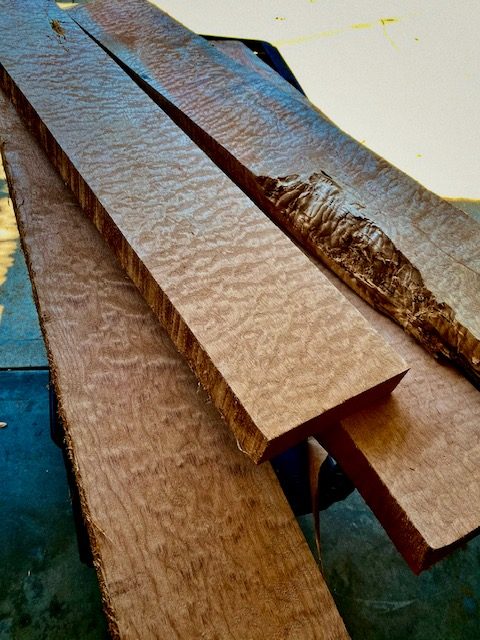
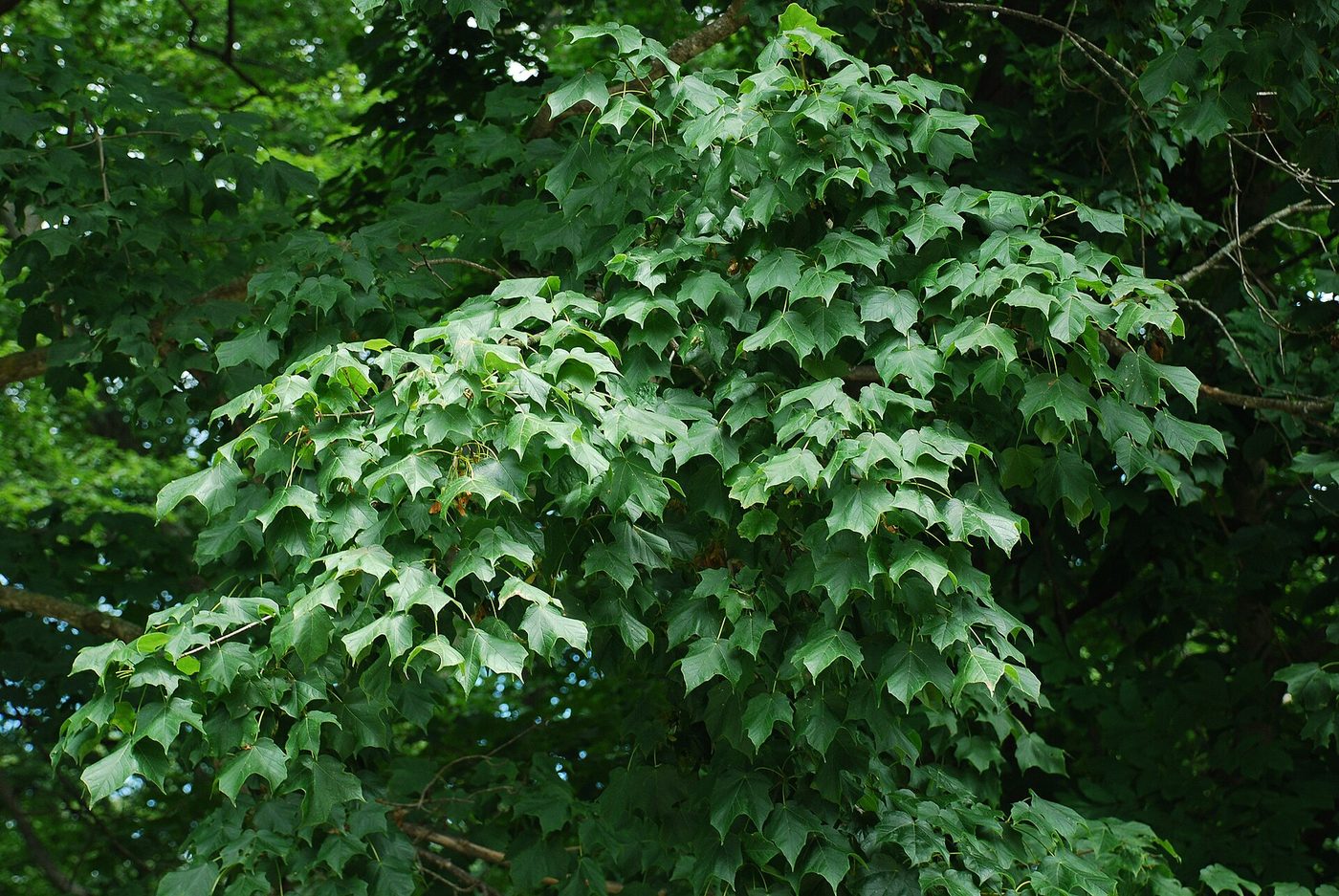
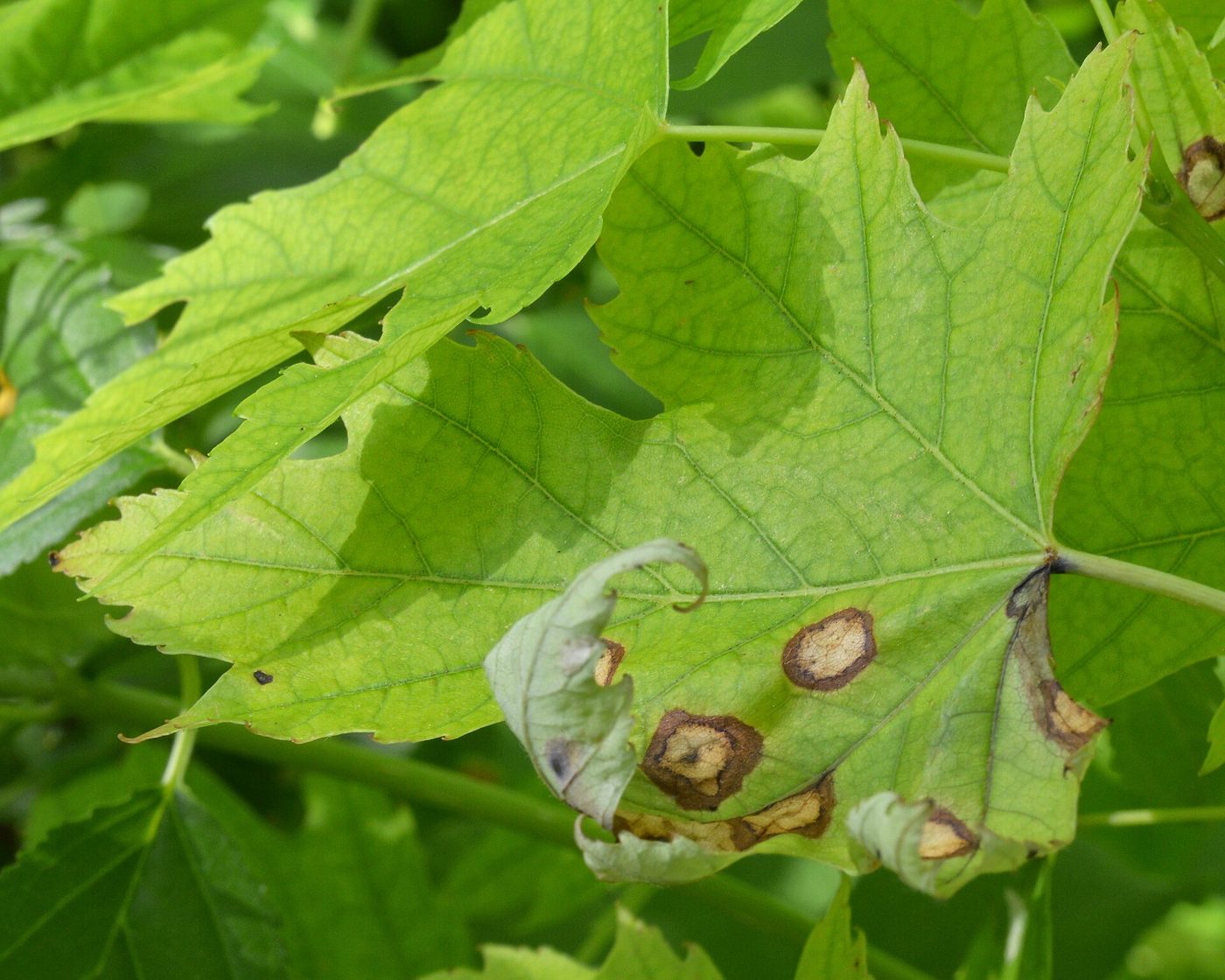
Photo: Famartin · CC BY-SA 4.0 (source)
Property data: USDA Forest Products Laboratory, Wood Handbook — Wood as an Engineering Material, FPL-GTR-282 (2021).