Oregon Ash
Fraxinus latifolia · Hardwood · North America
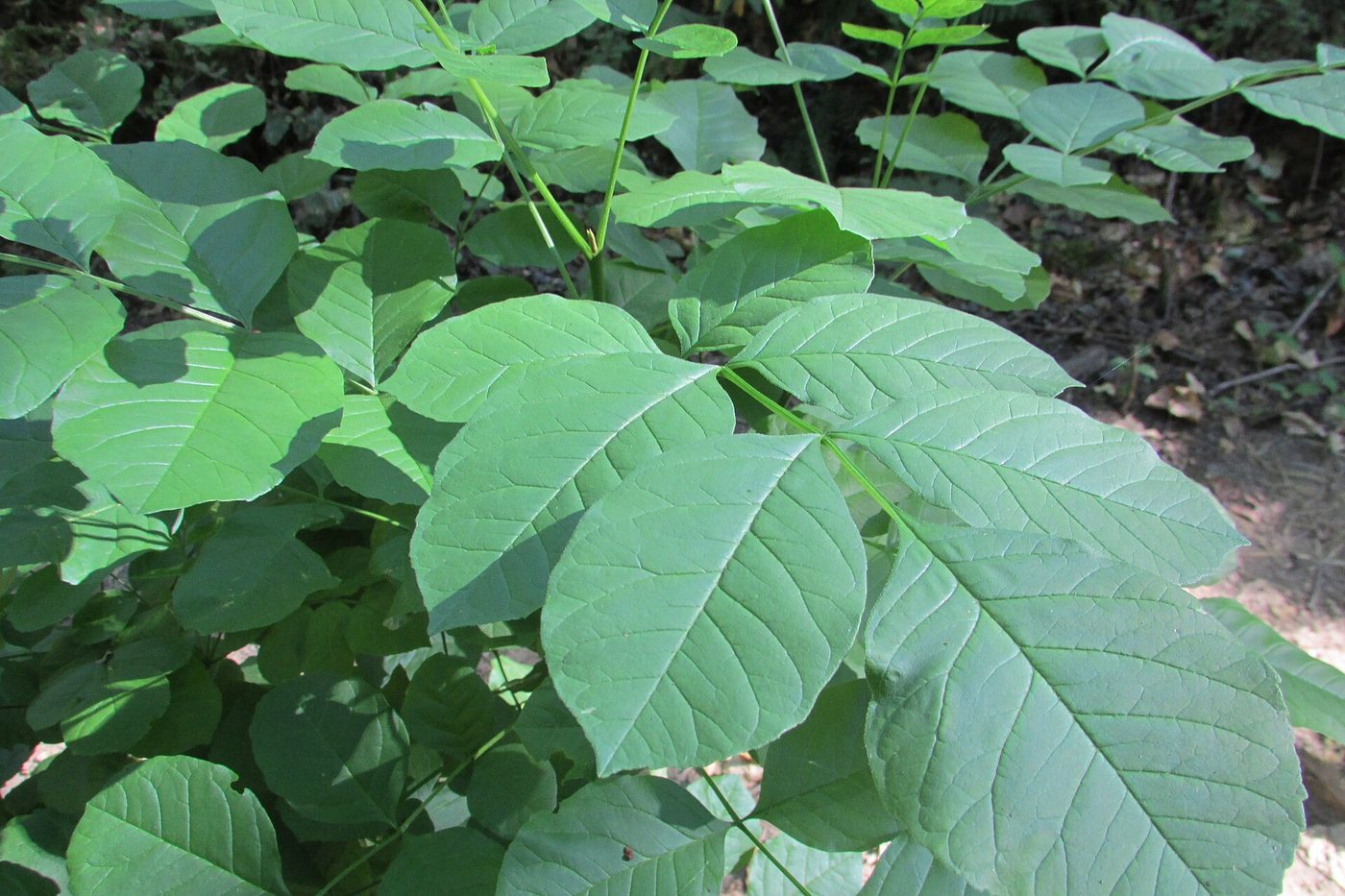
Properties
| Janka hardness | 1,160 lbf (5,160 N) |
|---|---|
| Average dried weight (est.) | 34 lb/ft³ (550 kg/m³) |
| Specific gravity | 0.55 |
| Modulus of rupture | 12,700 psi (87.6 MPa) |
| Modulus of elasticity | 1.36 million psi (9.38 GPa) |
| Crushing strength | 6,040 psi (41.6 MPa) |
| Shrinkage — radial | 4.1% |
| Shrinkage — tangential | 8.1% |
| Shrinkage — volumetric | 13.2% |
| Shrinkage T/R ratio | 2.0 |
Values at 12% moisture content, clear-wood averages. Source: USDA Forest Products Laboratory, Wood Handbook FPL-GTR-282 (2021), Table 5–3b p. 5–9; shrinkage Table 4–3 p. 4–8.
Oregon ash is the West Coast member of the white ash group, somewhat lower in strength properties than American white ash but used for similar purposes on the West Coast. Ash lumber is best known for nonstriking tool handles, oars, baseball bats, and other sporting and athletic goods.
Appearance & grain
The heartwood is brown, and the sapwood is light-colored or nearly white.
Workability
The ash group's wood is heavy, strong, hard, and stiff, with high resistance to shock — the combination that suits it to handles and sporting goods.
Common uses
- Tool handles
- Oars
- Baseball bats
- Sporting and athletic goods
Conservation: IUCN Red List: Near Threatened (checked 2026-10-24).
Work with Oregon Ash
Similar woods
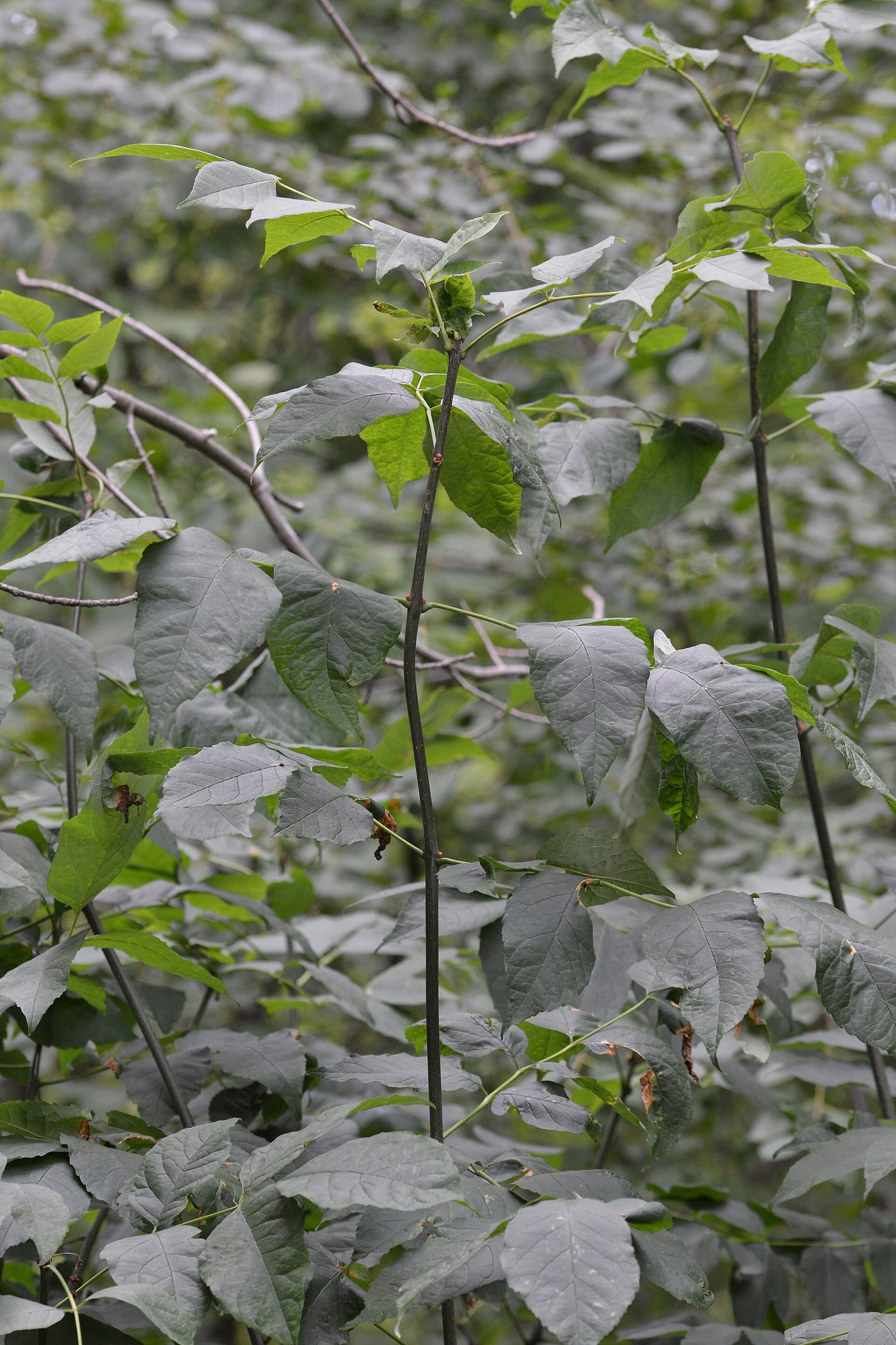
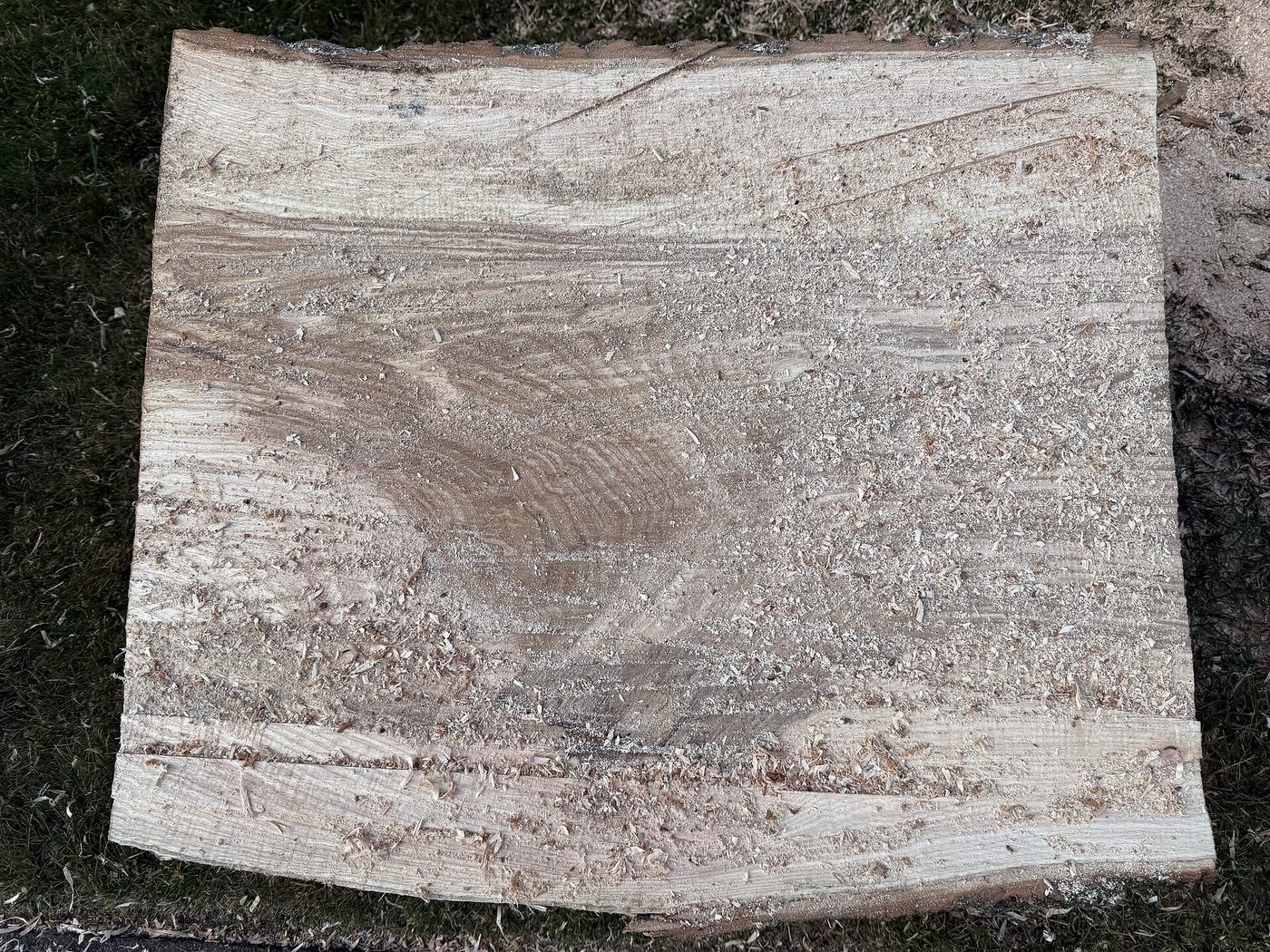
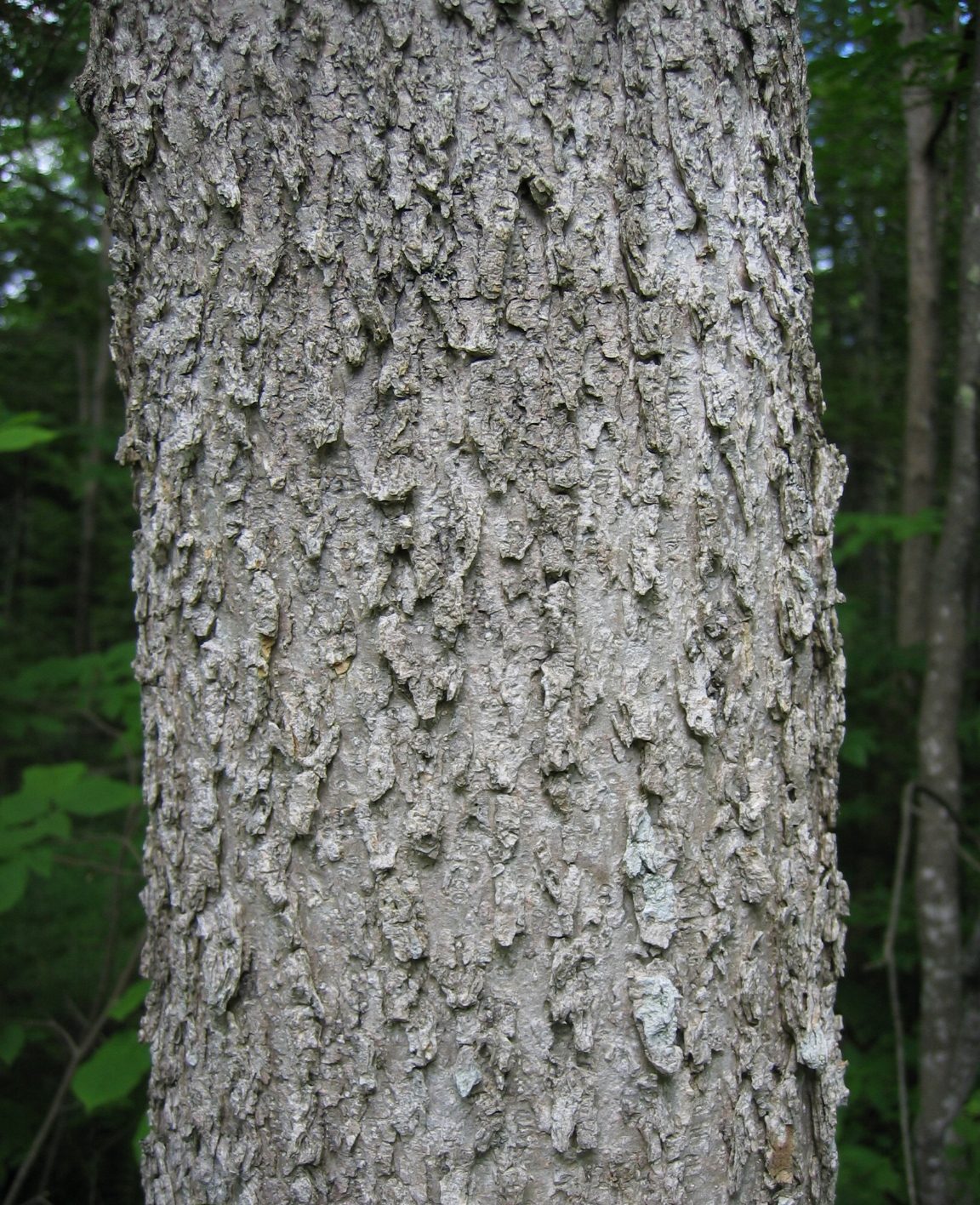
Photo: Chris Light · CC BY-SA 4.0 (source)
Property data: USDA Forest Products Laboratory, Wood Handbook — Wood as an Engineering Material, FPL-GTR-282 (2021).