Port-Orford Cedar
Chamaecyparis lawsoniana (A. Murr.) Parl. · Softwood · North America
Properties
| Janka hardness | 630 lbf (2,802 N) |
|---|---|
| Average dried weight (est.) | 27 lb/ft³ (430 kg/m³) |
| Specific gravity | 0.43 |
| Modulus of rupture | 12,700 psi (87.6 MPa) |
| Modulus of elasticity | 1.70 million psi (11.72 GPa) |
| Crushing strength | 6,250 psi (43.1 MPa) |
| Shrinkage — radial | 4.6% |
| Shrinkage — tangential | 6.9% |
| Shrinkage — volumetric | 10.1% |
| Shrinkage T/R ratio | 1.5 |
Values at 12% moisture content, clear-wood averages. Source: USDA Forest Products Laboratory, Wood Handbook FPL-GTR-282 (2021), Table 5–3b p. 5–12; shrinkage Table 4–3 p. 4–8.
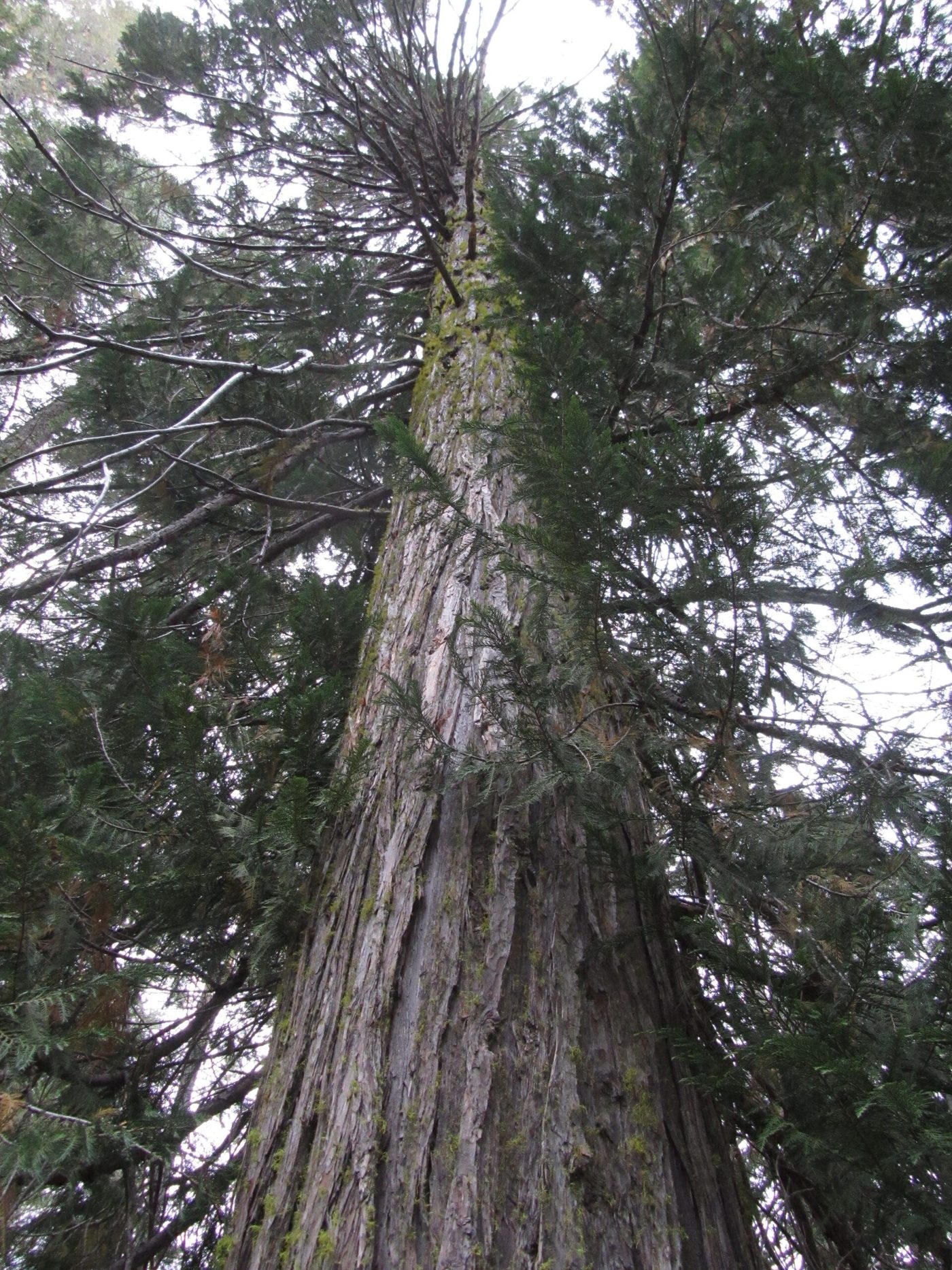
Port-Orford-cedar is a fine-textured, moderately lightweight softwood (specific gravity 0.43, Janka hardness 630 lbf) from a small coastal range in Oregon and California. It is listed as Near Threatened, and its durable, fragrant wood commands specialty uses far beyond its limited supply.
Appearance & grain
The heartwood ranges from light yellow to pale brown. The sapwood is narrow and difficult to distinguish from the heartwood. The texture is fine, the grain generally straight, and the wood has a pleasant spicy odor.
Durability
The Handbook rates the heartwood as highly resistant to decay, a key part of its value for exterior joinery and boat work.
Workability
The wood is moderately stiff, moderately strong, and moderately hard for a cedar. It shrinks a moderate amount in drying, warps little, and is stable once dried.
Common uses
- Archery supplies
- Sash and door construction
- Stadium seats
- Flooring
- Interior woodwork
- Furniture
- Boats
Conservation: IUCN Red List: Near Threatened (checked 2026-10-24).
Work with Port-Orford Cedar
Similar woods
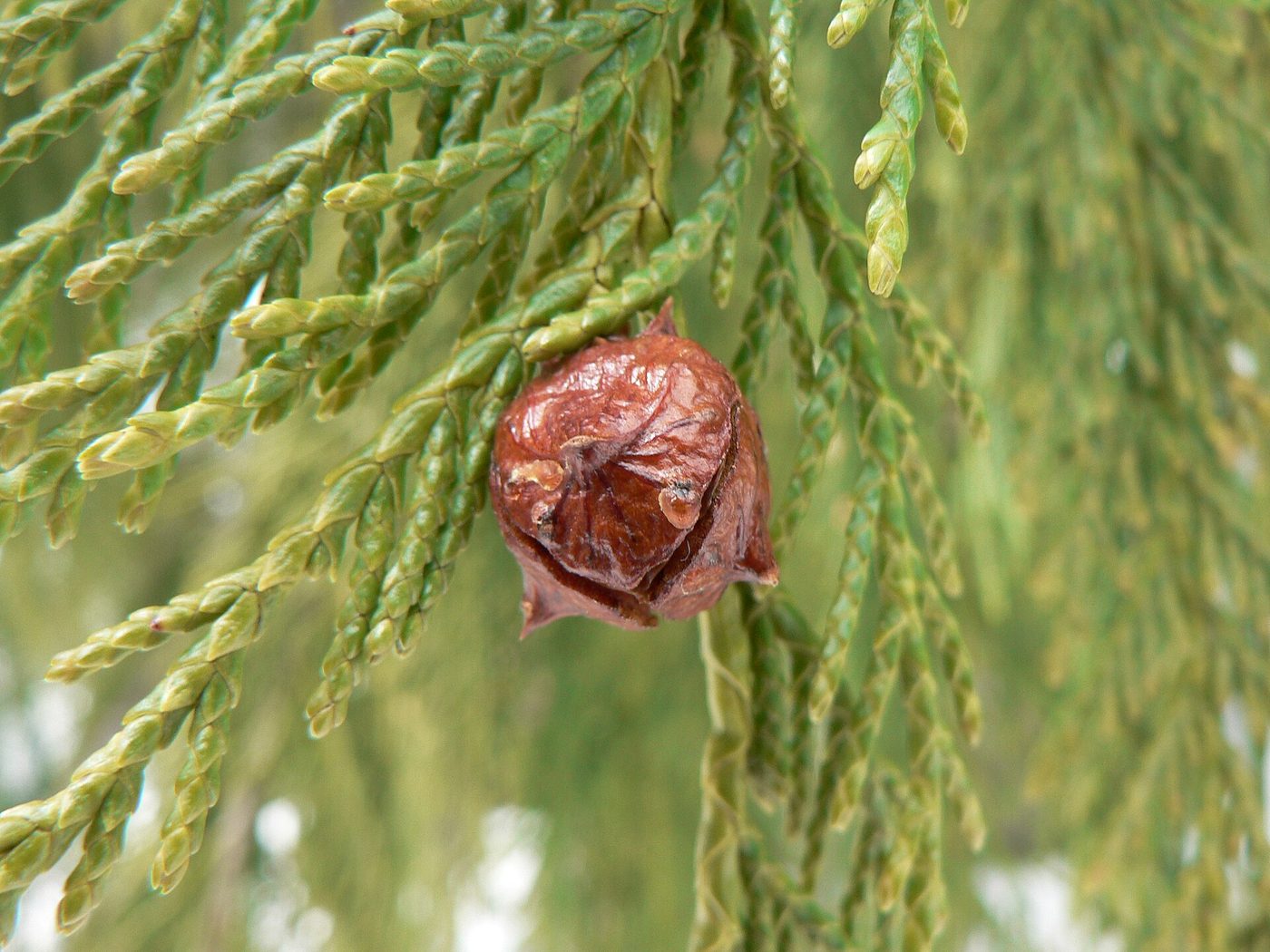
Photo: JOE BLOWE from Bountiful, Utah, Iran · CC BY-SA 2.0 (source)
Property data: USDA Forest Products Laboratory, Wood Handbook — Wood as an Engineering Material, FPL-GTR-282 (2021).