Sitka spruce
Picea sitchensis (Bong.) Carr. · Softwood · North America
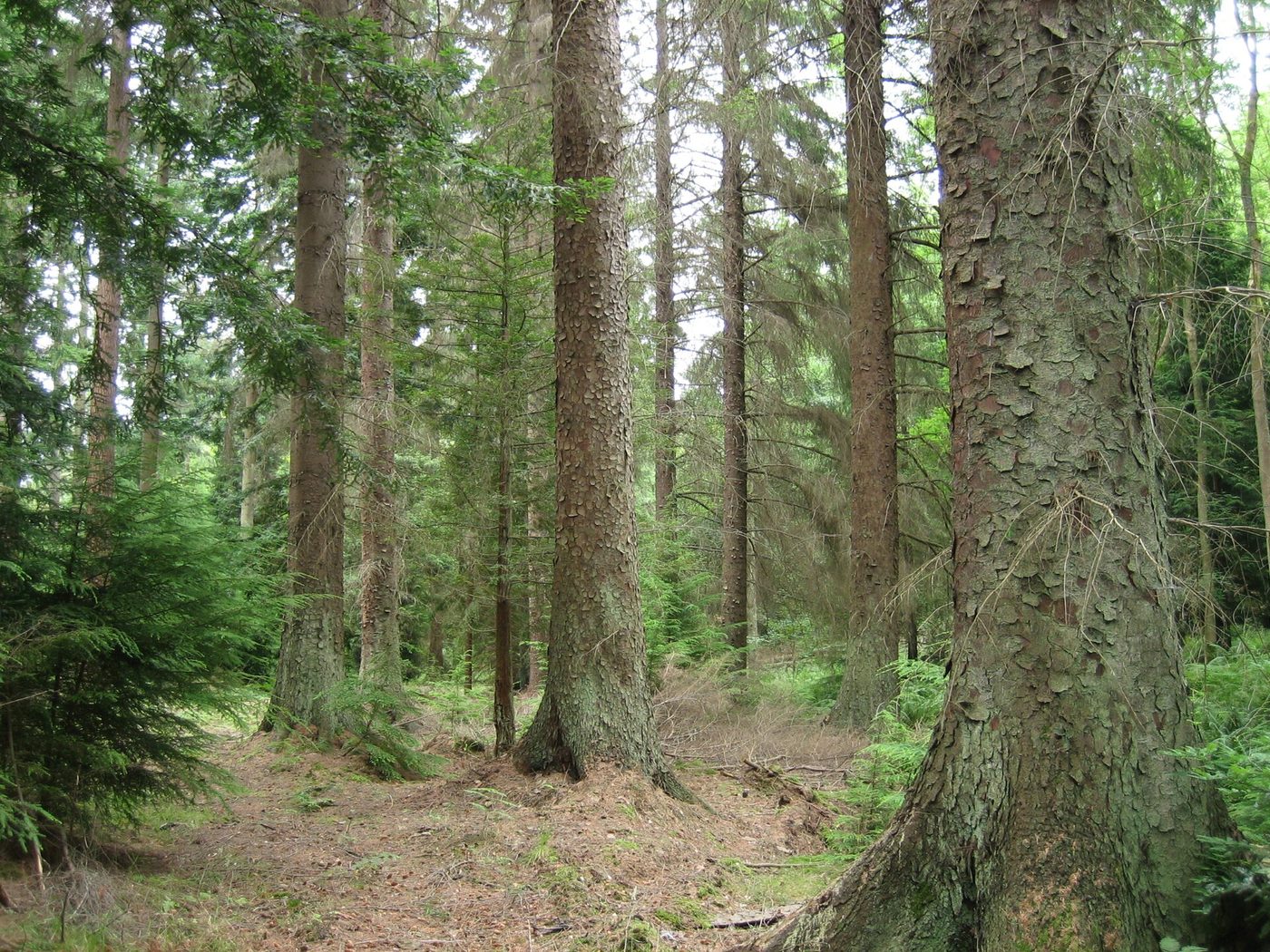
Properties
| Janka hardness | 510 lbf (2,268 N) |
|---|---|
| Average dried weight (est.) | 25 lb/ft³ (400 kg/m³) |
| Specific gravity | 0.40 |
| Modulus of rupture | 10,200 psi (70.3 MPa) |
| Modulus of elasticity | 1.57 million psi (10.83 GPa) |
| Crushing strength | 5,610 psi (38.7 MPa) |
| Shrinkage — radial | 4.3% |
| Shrinkage — tangential | 7.5% |
| Shrinkage — volumetric | 11.5% |
| Shrinkage T/R ratio | 1.7 |
Values at 12% moisture content, clear-wood averages. Source: USDA Forest Products Laboratory, Wood Handbook FPL-GTR-282 (2021), Table 5-3 p. 5-13; shrinkage Table 4-3 p. 4-8.
Sitka spruce is a moderately lightweight softwood (specific gravity 0.40, Janka hardness 510 lbf) with an unusually high strength for its weight. It is available in long, clear, straight-grained pieces, which made it the most important wood for aircraft construction and keeps it in demand for ladders and piano sounding boards.
Appearance & grain
The heartwood is light pinkish brown. The sapwood is creamy white, shades gradually into the heartwood, and runs 3 to 6 inches wide, wider in young trees. The texture is comparatively fine and uniform, the grain generally straight, and the wood has no distinct taste or odor.
Workability
The Handbook highlights the combination that defines the species: moderate weight with high strength, in long clear lengths of straight-grained stock. It gives no separate machining caveat for Sitka spruce.
Common uses
- Aircraft construction
- Ladder rails
- Piano sounding boards
- Lumber
- Pulpwood
- Cooperage
- Boxes and crates
- Furniture
- Planing-mill products
- Sashes, doors, and blinds
- Millwork
- Boats
Conservation: IUCN Red List: Least Concern (checked 2026-10-24).
Work with Sitka spruce
Similar woods
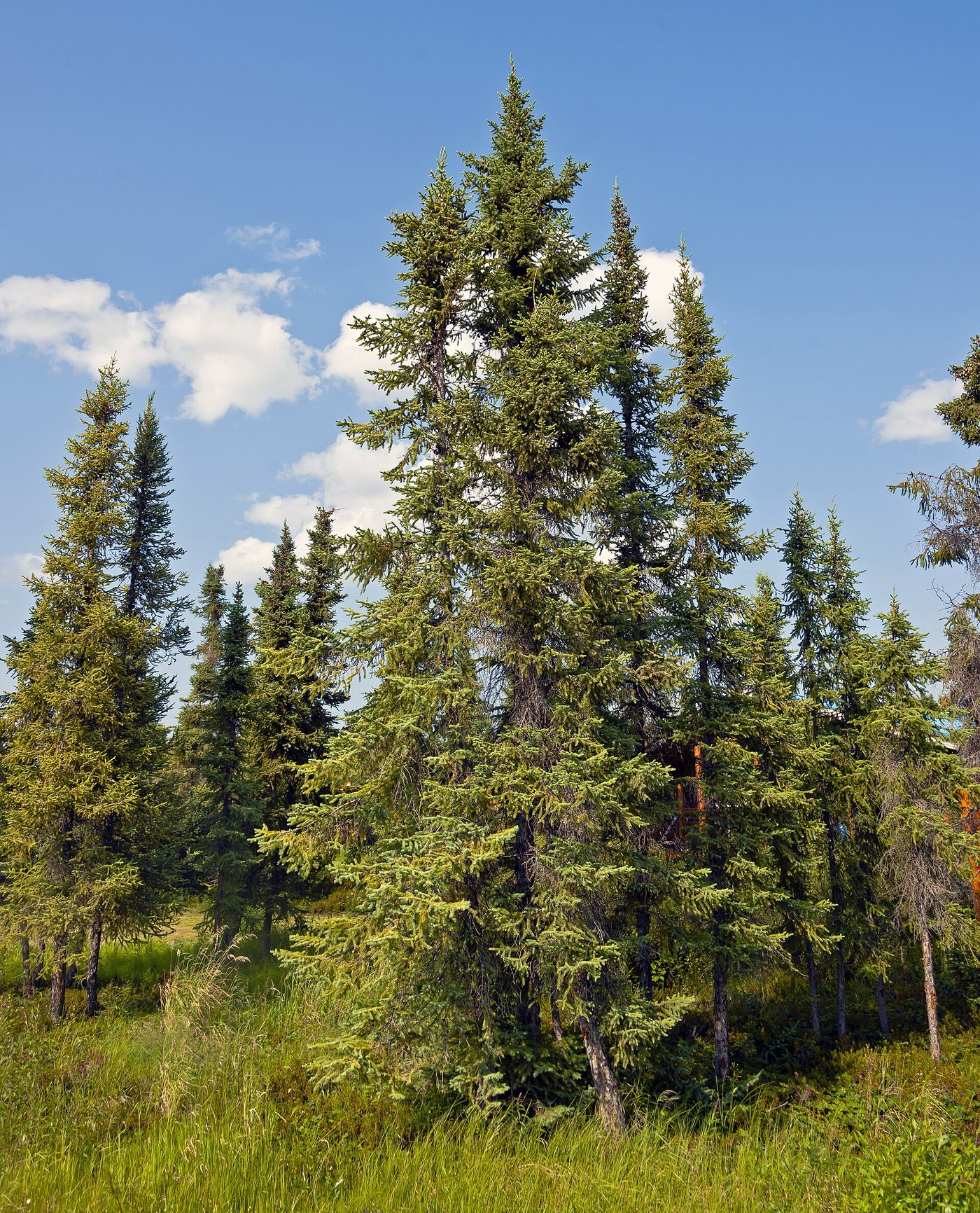
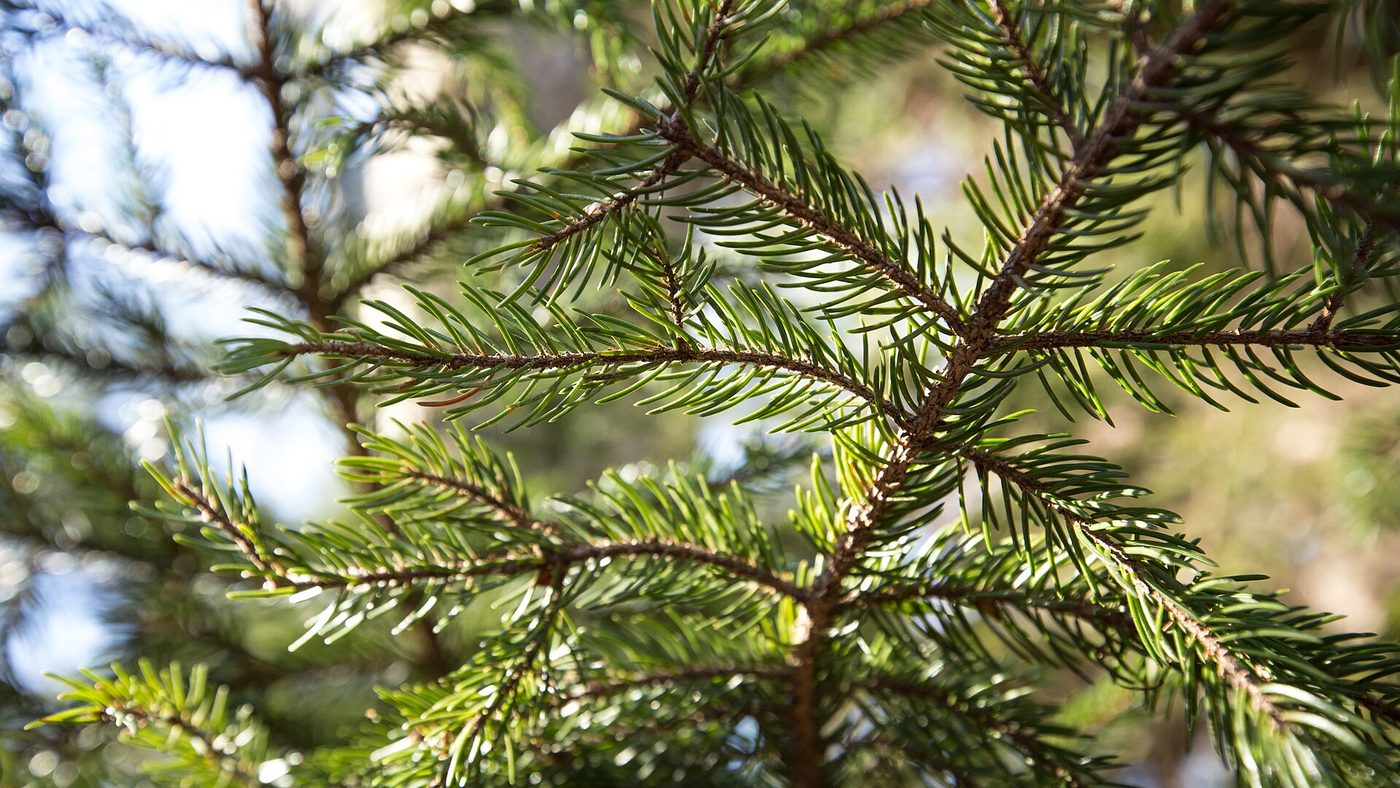
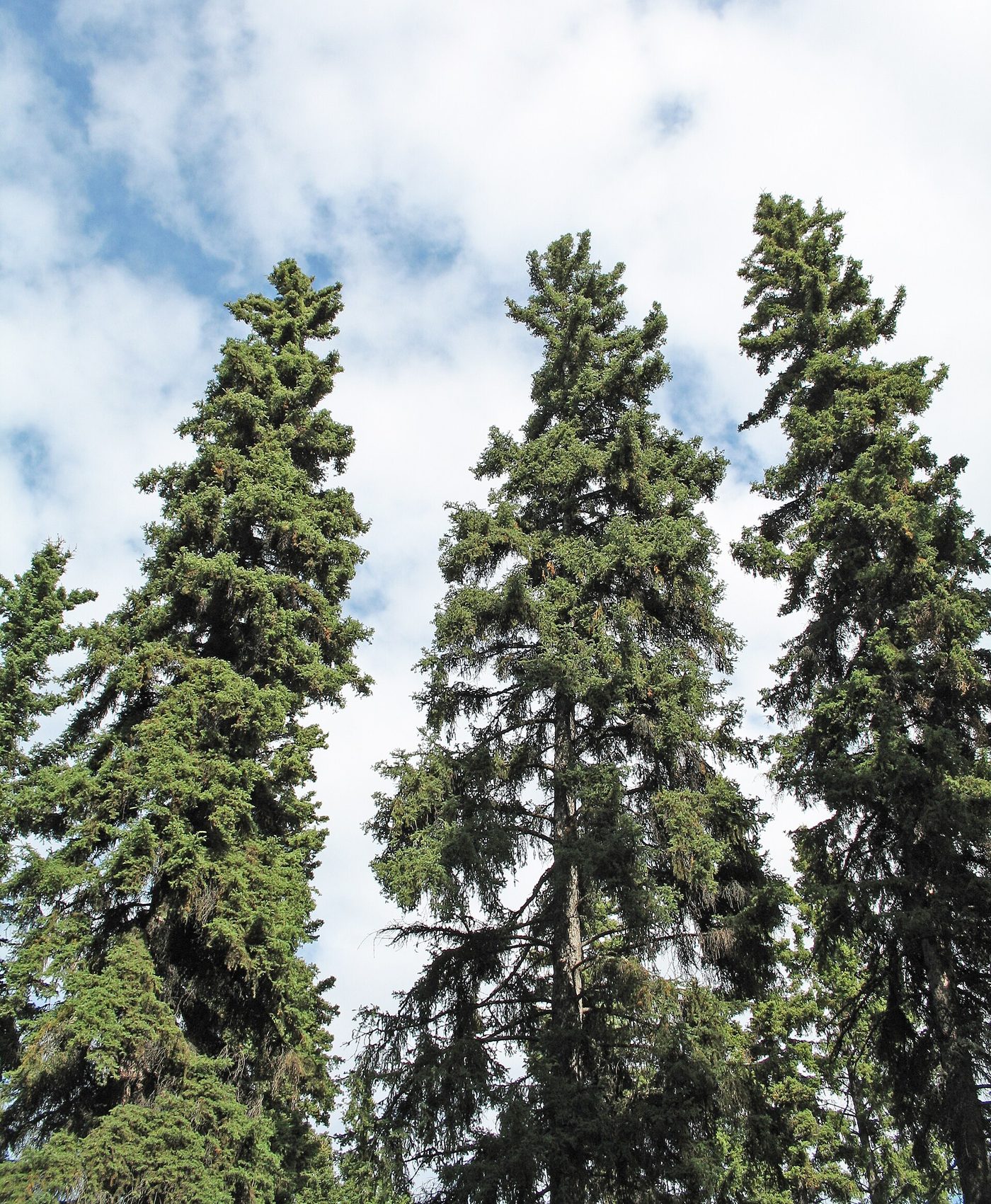
Photo: MPF · CC BY-SA 4.0 (source)
Property data: USDA Forest Products Laboratory, Wood Handbook — Wood as an Engineering Material, FPL-GTR-282 (2021).