White spruce
Picea glauca (Moench) Voss · Softwood · North America
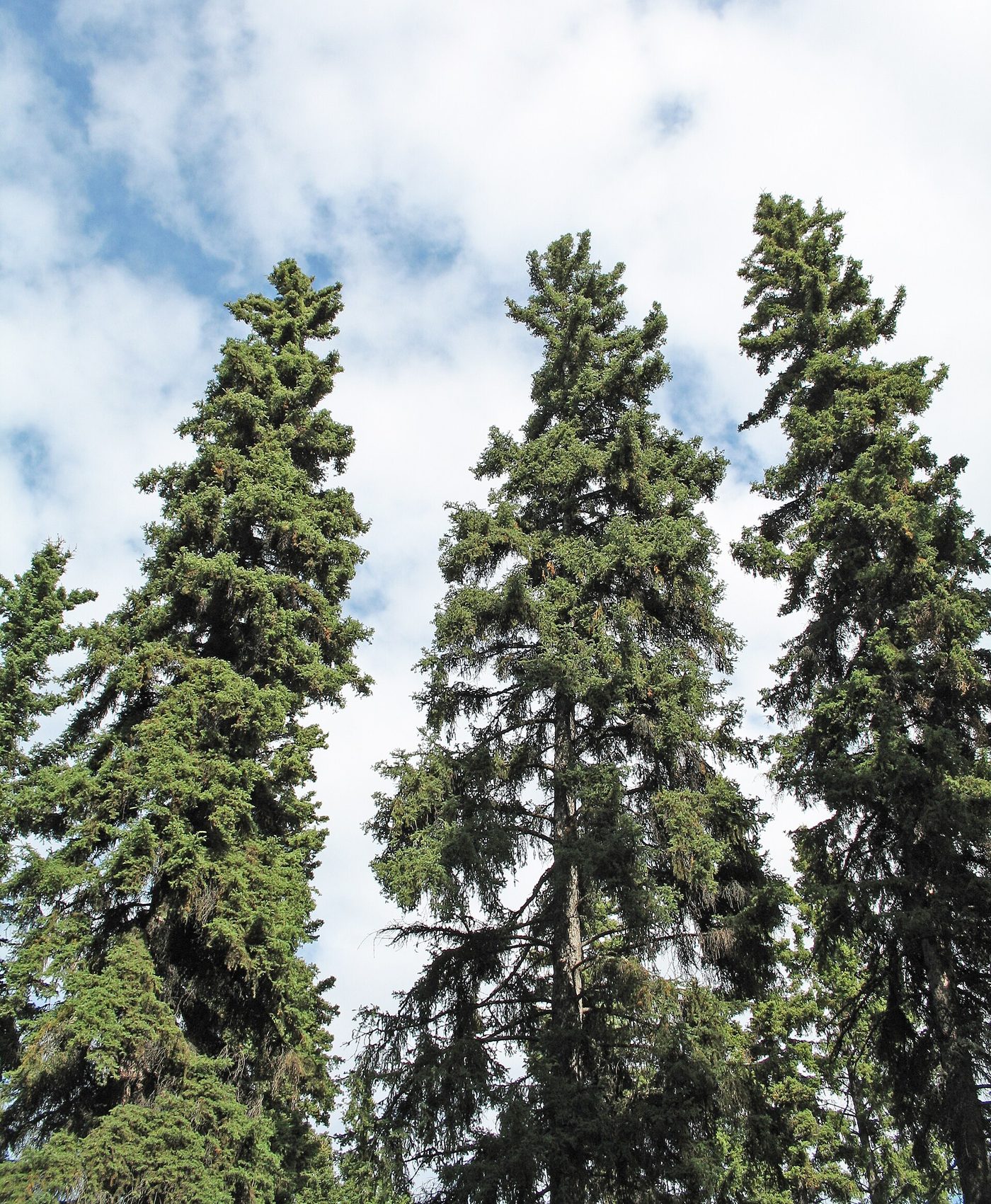
Properties
| Janka hardness | 410 lbf (1,824 N) |
|---|---|
| Average dried weight (est.) | 22 lb/ft³ (360 kg/m³) |
| Specific gravity | 0.36 |
| Modulus of rupture | 9,400 psi (64.8 MPa) |
| Modulus of elasticity | 1.43 million psi (9.86 GPa) |
| Crushing strength | 5,180 psi (35.7 MPa) |
Values at 12% moisture content, clear-wood averages. Source: USDA Forest Products Laboratory, Wood Handbook FPL-GTR-282 (2021), Table 5-3 p. 5-13; shrinkage Table 4-3 p. 4-8.
White spruce is sold together with red and black spruce as eastern spruce, the three species being indistinguishable in commerce and having about the same properties (specific gravity 0.36, Janka hardness 410 lbf). The group's greatest use is pulpwood, with lumber going to framing, general millwork, boxes and crates, and piano sounding boards.
Appearance & grain
The wood is light in color, with little difference between heartwood and sapwood. It dries easily and is stable after drying.
Workability
The eastern spruces are moderately lightweight, moderately low in bending and compressive strength, moderately stiff, moderately soft, and moderately low in shock resistance. The Handbook describes the group's shrinkage as moderately low.
Common uses
- Pulpwood
- Framing material
- General millwork
- Boxes and crates
- Piano sounding boards
Conservation: IUCN Red List: Least Concern (checked 2026-10-24).
Work with White spruce
Similar woods

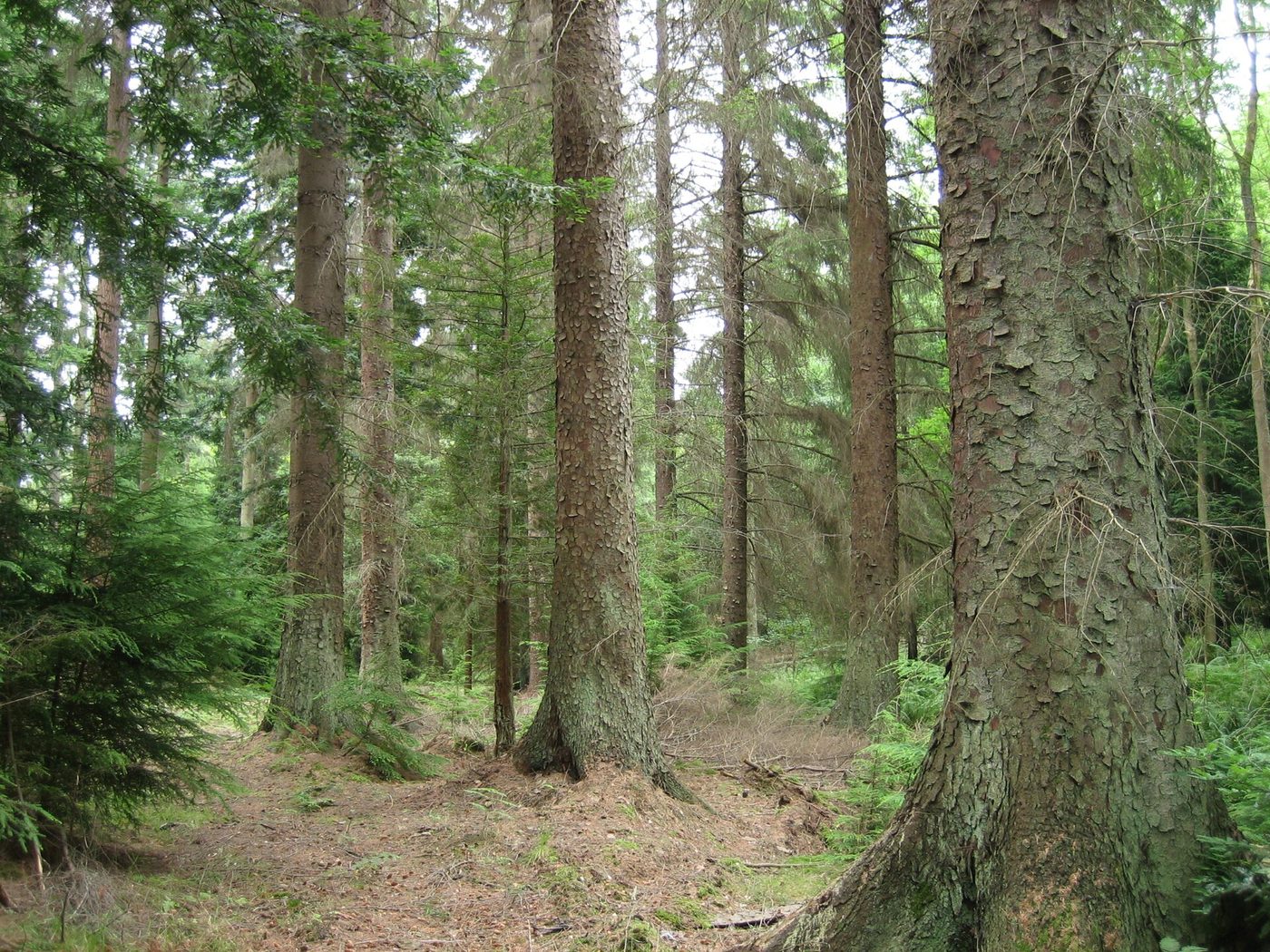
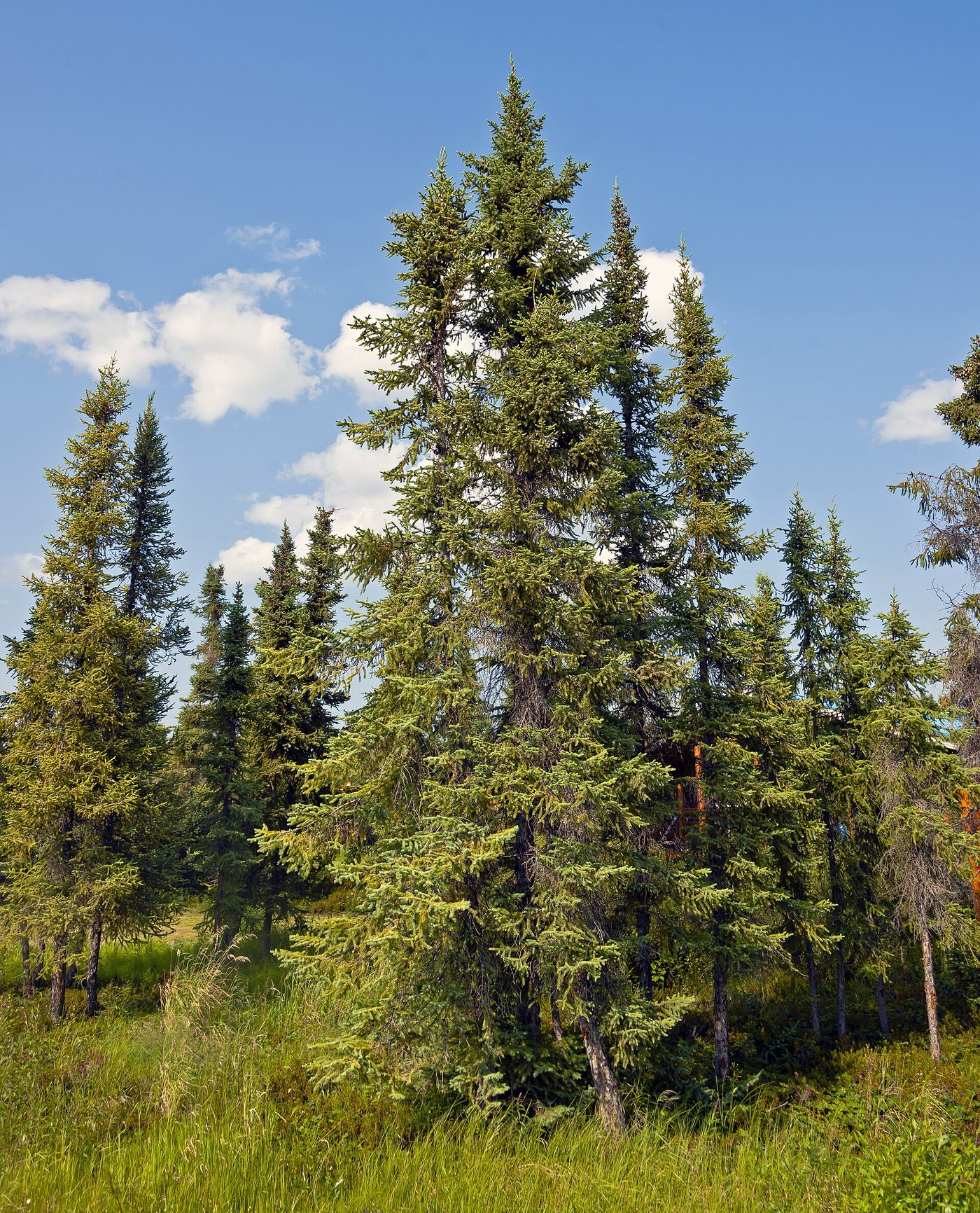
Photo: dmcdevit · CC BY-SA 2.0 (source)
Property data: USDA Forest Products Laboratory, Wood Handbook — Wood as an Engineering Material, FPL-GTR-282 (2021).