Western Larch
Larix occidentalis Nutt. · Softwood · North America
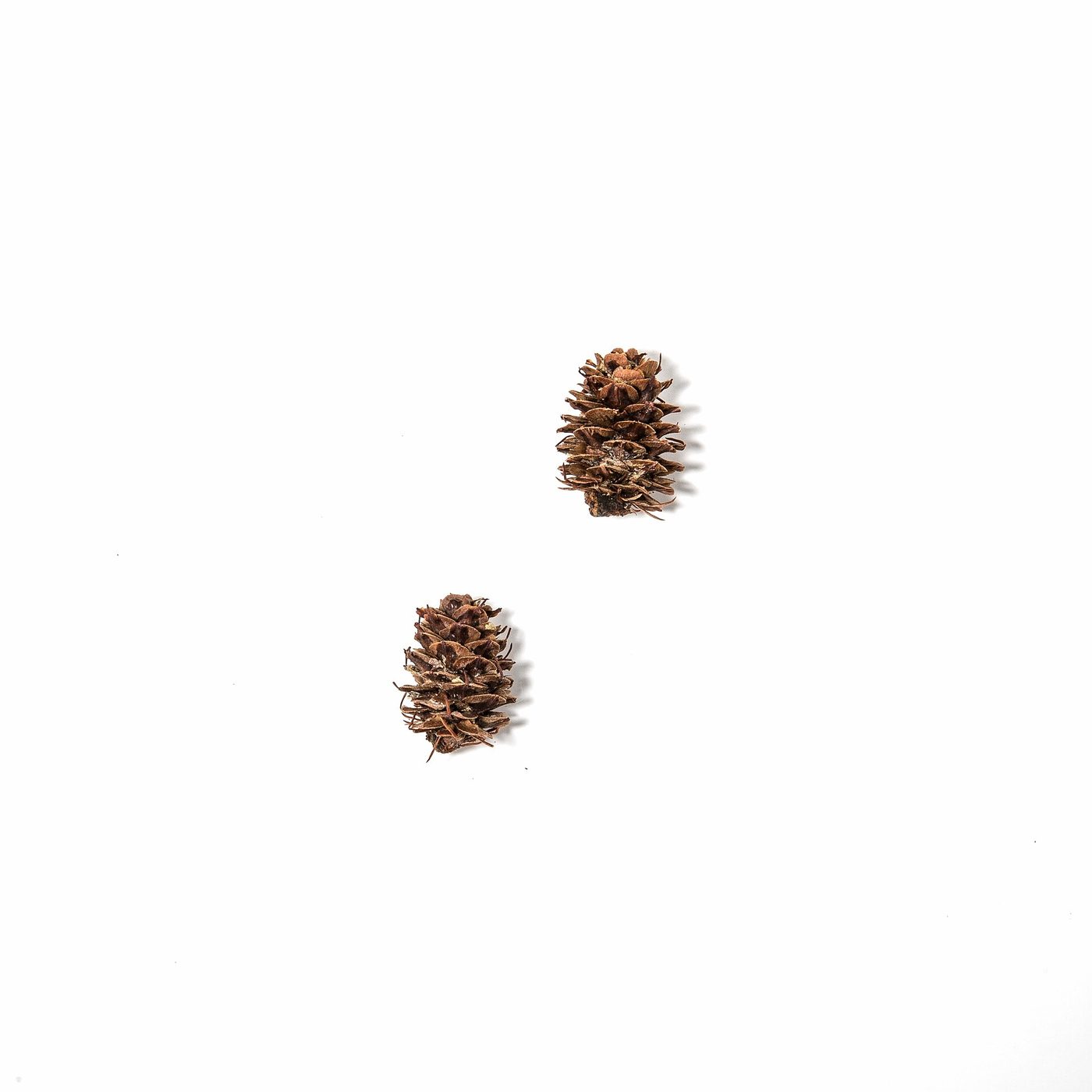
Properties
| Janka hardness | 830 lbf (3,692 N) |
|---|---|
| Average dried weight (est.) | 32 lb/ft³ (520 kg/m³) |
| Specific gravity | 0.52 |
| Modulus of rupture | 13,000 psi (89.6 MPa) |
| Modulus of elasticity | 1.87 million psi (12.89 GPa) |
| Crushing strength | 7,620 psi (52.5 MPa) |
| Shrinkage — radial | 4.5% |
| Shrinkage — tangential | 9.1% |
| Shrinkage — volumetric | 14.0% |
| Shrinkage T/R ratio | 2.0 |
Values at 12% moisture content, clear-wood averages. Source: USDA Forest Products Laboratory, Wood Handbook FPL-GTR-282 (2021), Table 5–3b p. 5–12; shrinkage Table 4–3 p. 4–8.
Western larch is a stiff, moderately strong and heavy western softwood (specific gravity 0.52, Janka hardness 830 lbf) — dense for a conifer. Most of it goes into heavy construction lumber, ties, and timbers, with the better grades reserved for flooring and interior woodwork.
Appearance & grain
The heartwood is yellowish brown. The sapwood is yellowish white and narrow, no more than about an inch wide. The grain is usually straight, and knots are common but typically small and tight.
Workability
The Handbook notes two handling traits: western larch splits easily, and it is subject to ring shake. Shrinkage is moderately high, so construction stock benefits from proper drying.
Common uses
- Dimension lumber for construction
- Small timbers
- Planks and boards
- Railroad crossties
- Mine timbers
- Piles
- Poles
- Posts
- Interior woodwork
- Flooring
- Sashes
- Doors
Conservation: IUCN Red List: Least Concern (checked 2026-10-24).
Work with Western Larch
Similar woods
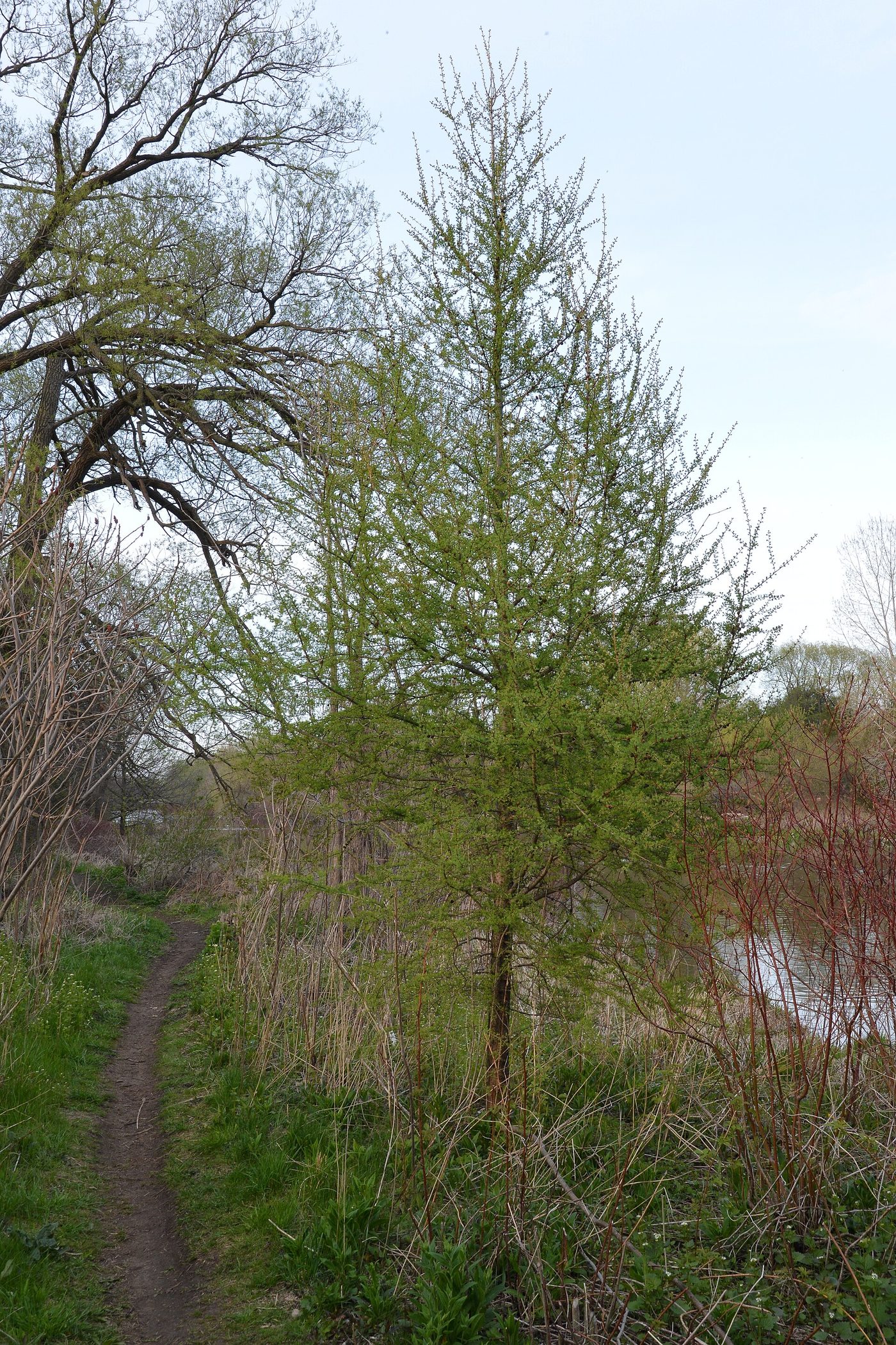
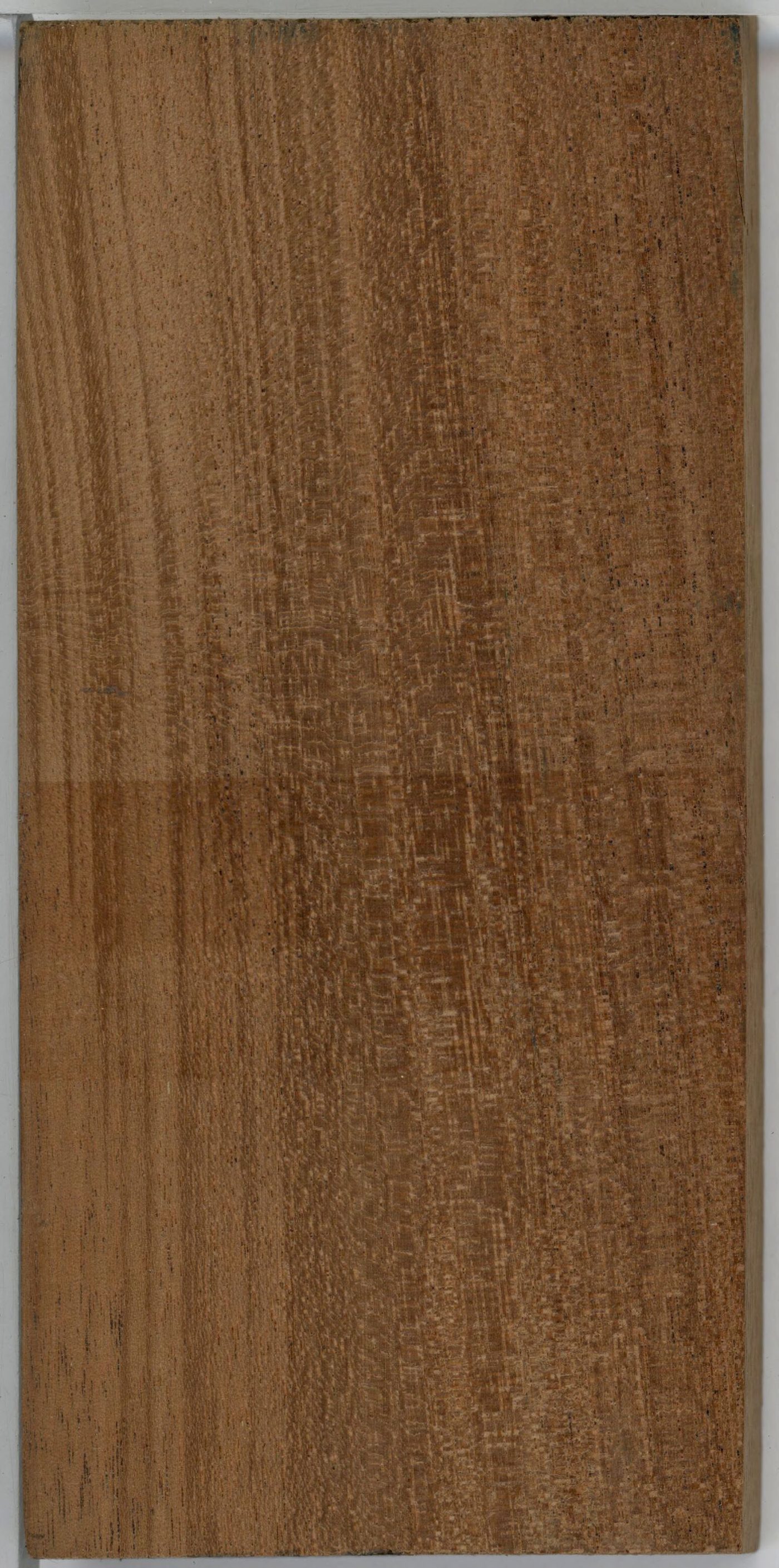
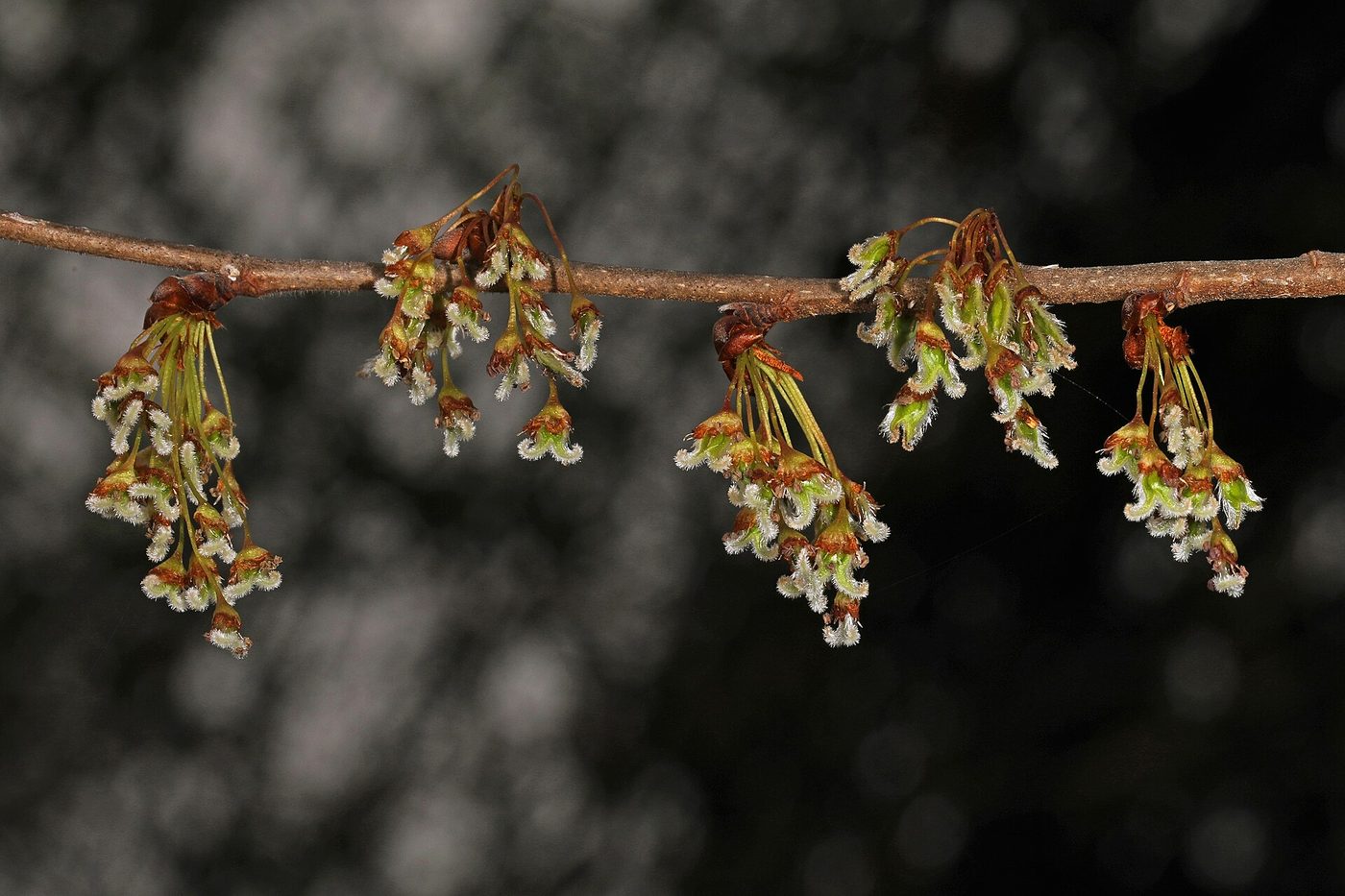
Photo: GlacierNPS · Public domain (source)
Property data: USDA Forest Products Laboratory, Wood Handbook — Wood as an Engineering Material, FPL-GTR-282 (2021).