Western white pine
Pinus monticola Dougl. ex D. Don · Softwood · North America
Properties
| Janka hardness | 420 lbf (1,868 N) |
|---|---|
| Average dried weight (est.) | 24 lb/ft³ (380 kg/m³) |
| Specific gravity | 0.38 |
| Modulus of rupture | 9,700 psi (66.9 MPa) |
| Modulus of elasticity | 1.46 million psi (10.07 GPa) |
| Crushing strength | 5,040 psi (34.8 MPa) |
| Shrinkage — radial | 4.1% |
| Shrinkage — tangential | 7.4% |
| Shrinkage — volumetric | 11.8% |
| Shrinkage T/R ratio | 1.8 |
Values at 12% moisture content, clear-wood averages. Source: USDA Forest Products Laboratory, Wood Handbook FPL-GTR-282 (2021), Table 5-3 p. 5-13; shrinkage Table 4-3 p. 4-8.
Western white pine, also known as Idaho white pine, is sawn practically entirely into lumber — mainly for building construction, matches, boxes, patterns, and millwork such as sashes and door frames. Its uses are practically the same as those of eastern white pine and sugar pine.
Appearance & grain
The heartwood is cream colored to light reddish brown and darkens on exposure to air. The sapwood is yellowish white and generally 2 to 8 cm (0.8 to 3 in.) wide.
Workability
The wood is straight grained and easy to work, is easily kiln-dried, and is stable after drying. It is moderately lightweight, moderately low in strength, moderately soft, moderately stiff, moderately low in shock resistance, and moderately high in shrinkage.
Common uses
- Building construction lumber
- Matches
- Boxes
- Patterns
- Sashes and door frames
- Millwork
- Sheathing
- Knotty paneling
- Subflooring
- Siding
- Exterior and interior woodwork
Conservation: IUCN Red List: Near Threatened (checked 2026-10-24).
Work with Western white pine
Similar woods
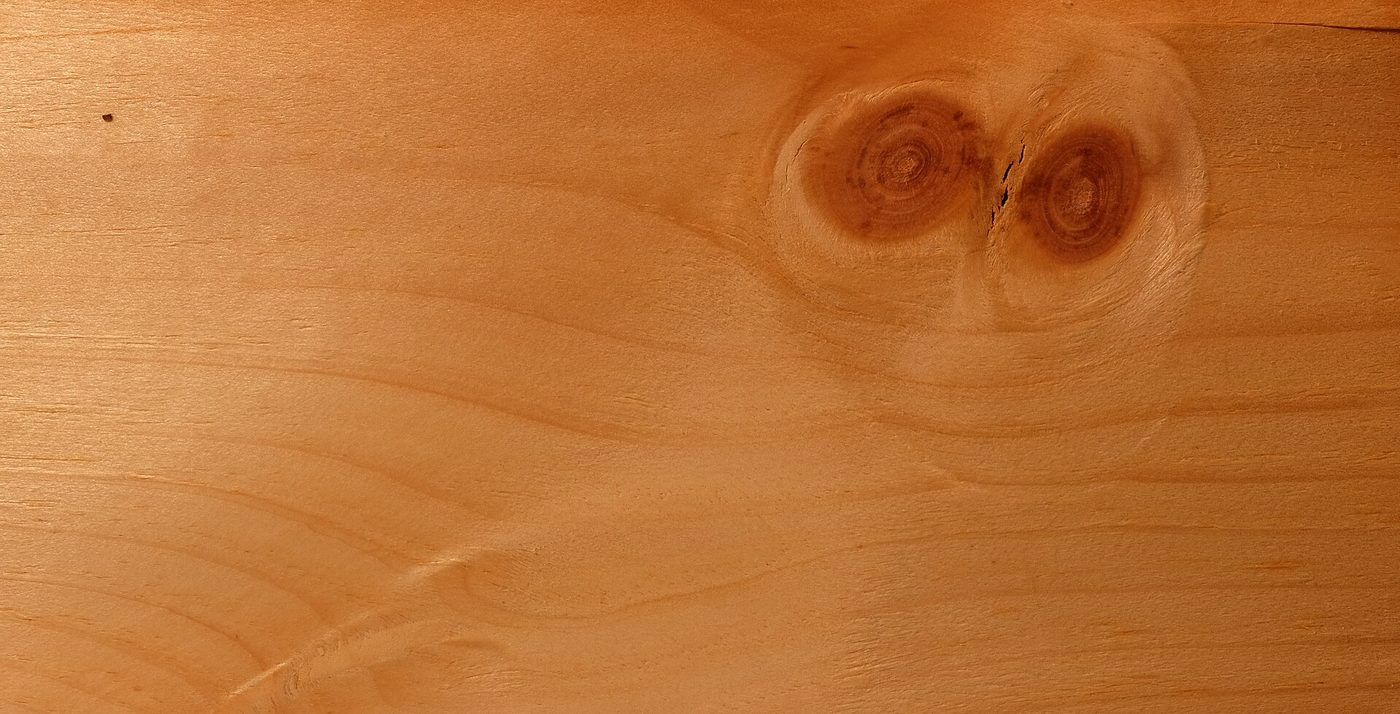
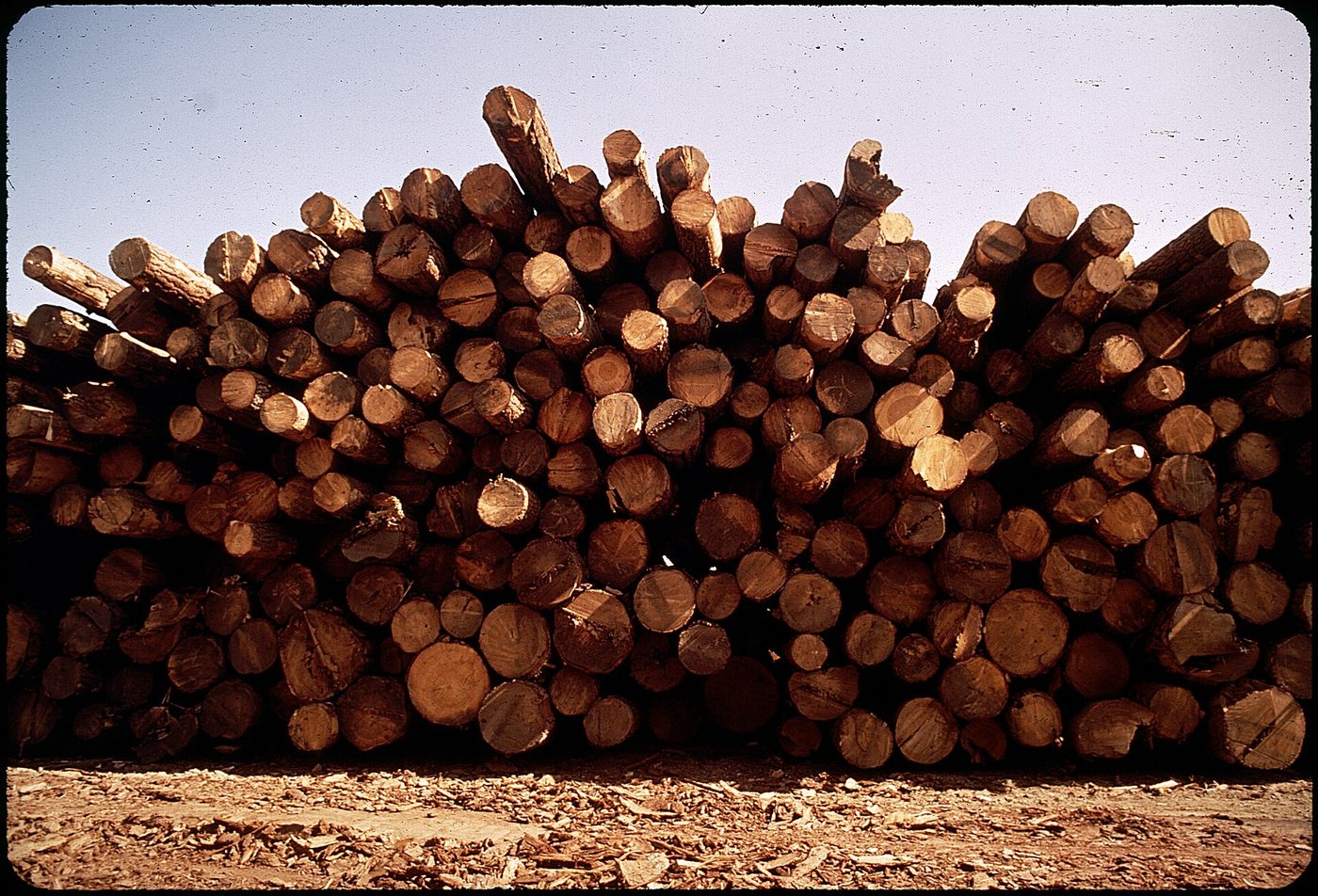
Photo: GlacierNPS · Public domain (source)
Property data: USDA Forest Products Laboratory, Wood Handbook — Wood as an Engineering Material, FPL-GTR-282 (2021).