Black Oak
Quercus velutina · Hardwood · North America
Properties
| Janka hardness | 1,210 lbf (5,382 N) |
|---|---|
| Average dried weight (est.) | 38 lb/ft³ (610 kg/m³) |
| Specific gravity | 0.61 |
| Modulus of rupture | 13,900 psi (95.8 MPa) |
| Modulus of elasticity | 1.64 million psi (11.31 GPa) |
| Crushing strength | 6,520 psi (45.0 MPa) |
| Shrinkage — radial | 4.4% |
| Shrinkage — tangential | 11.1% |
| Shrinkage — volumetric | 15.1% |
| Shrinkage T/R ratio | 2.5 |
Values at 12% moisture content, clear-wood averages. Source: USDA Forest Products Laboratory, Wood Handbook FPL-GTR-282 (2021), Table 5–3b p. 5–10; shrinkage Table 4–3 p. 4–8.
Black oak belongs to the red oak group, the workhorse hardwoods of eastern North America (specific gravity 0.61, Janka hardness 1,210 lbf). It is heavy, strong lumber sold interchangeably with the other red oaks for flooring, furniture, and general construction.
Appearance & grain
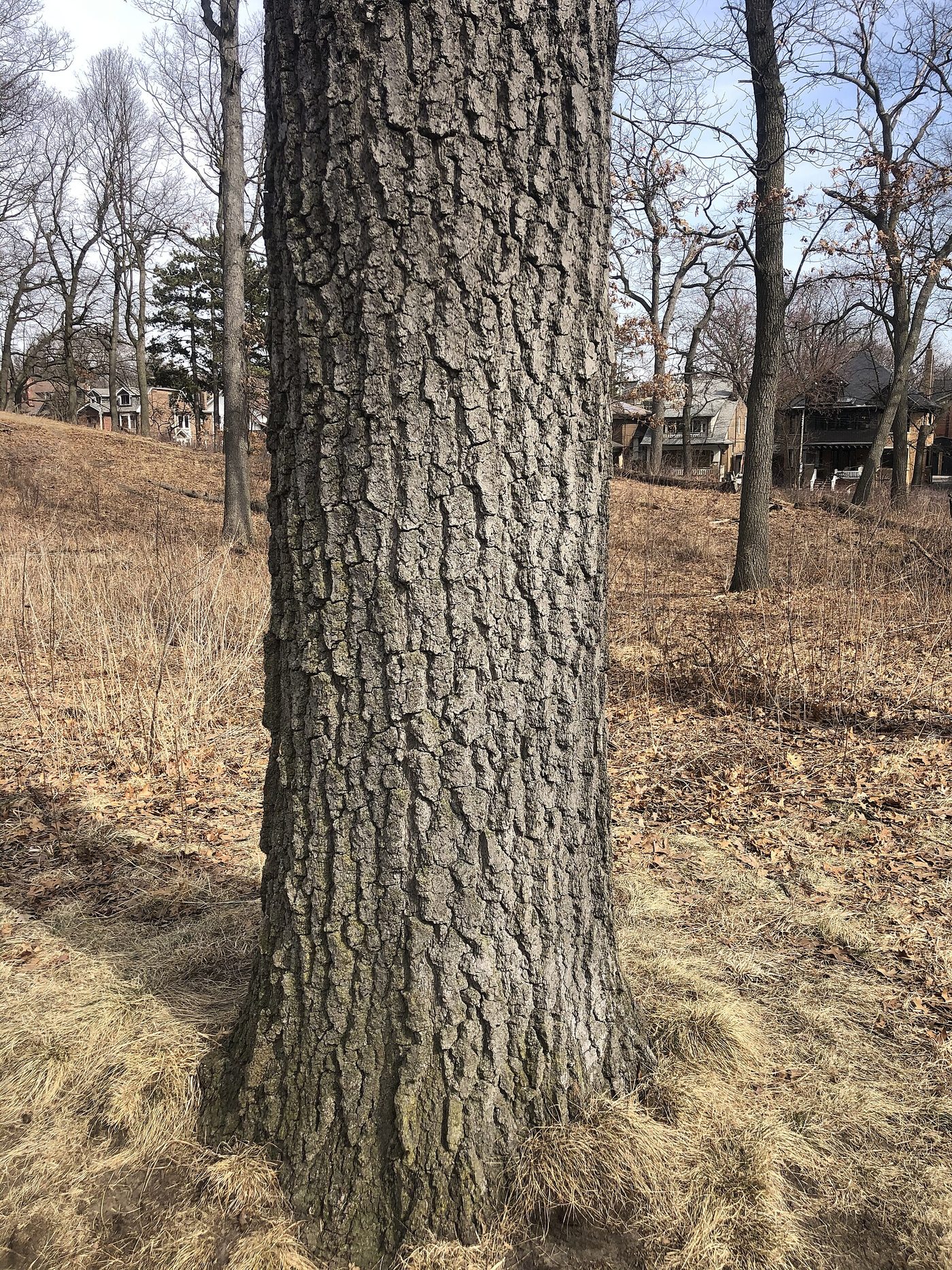
Like the other red oaks, black oak has nearly white sapwood about 1 to 2 inches wide and brown heartwood with a reddish tinge. The pores are open and large, and quartersawn surfaces show broad, conspicuous rays.
Workability
Red oak lumber shrinks a fairly high amount in drying and needs careful seasoning. The open pores mean the wood cannot be used for tight cooperage unless the barrels are lined.
Common uses
- Flooring
- Furniture
- Millwork
- Railroad crossties
- Mine timbers
- Fence posts
- Veneer
- Boxes
- Pallets and crates
- Agricultural implements
- Caskets
- Woodenware
- Handles
- Railroad cars
- Boats
- Pulpwood
- Fuelwood
Conservation: IUCN Red List: Least Concern (checked 2026-10-24).
Work with Black Oak
Similar woods
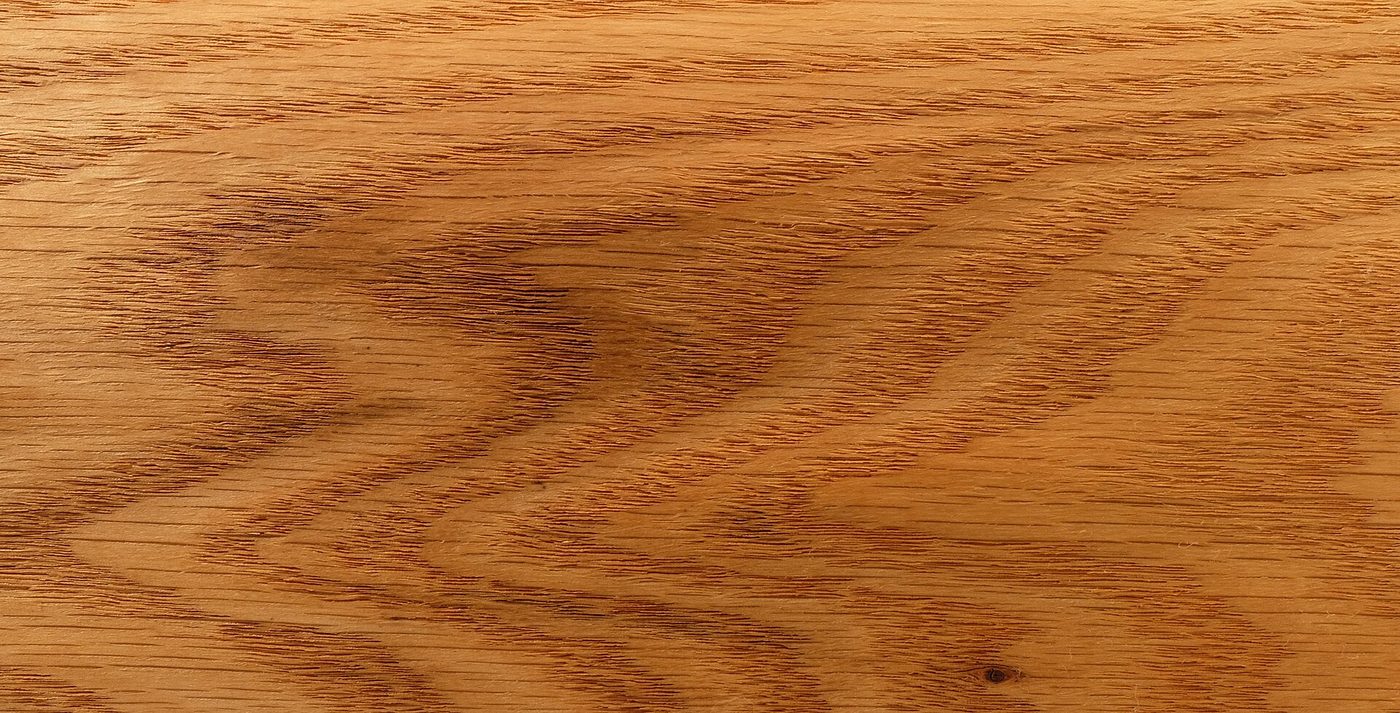
Photo: NiceDerangedEpitaph89 · CC BY-SA 4.0 (source)
Property data: USDA Forest Products Laboratory, Wood Handbook — Wood as an Engineering Material, FPL-GTR-282 (2021).