Water Oak
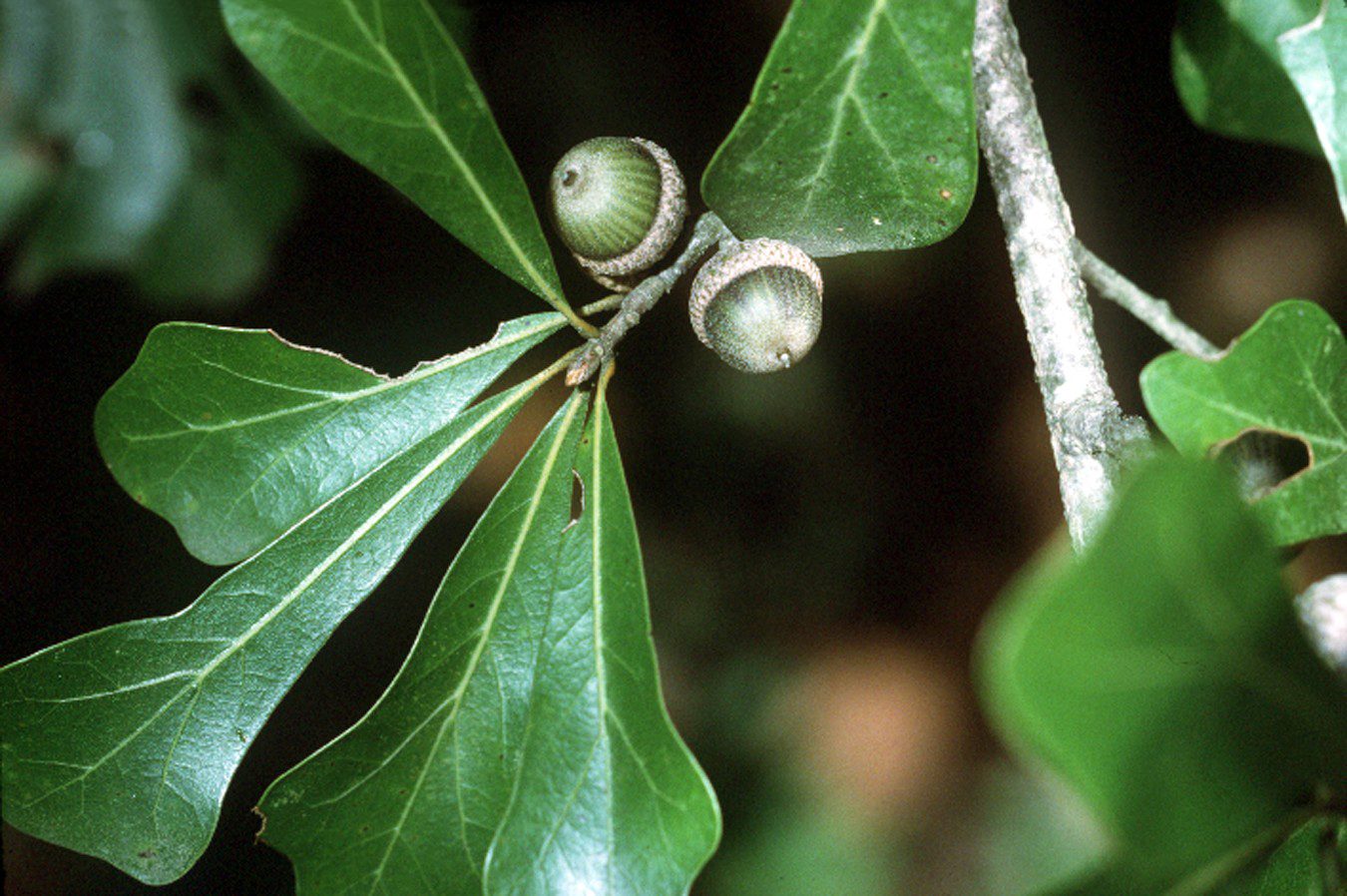
Quercus nigra · Hardwood · North America
Properties
| Janka hardness | 1,190 lbf (5,293 N) |
|---|---|
| Average dried weight (est.) | 39 lb/ft³ (630 kg/m³) |
| Specific gravity | 0.63 |
| Modulus of rupture | 15,400 psi (106.2 MPa) |
| Modulus of elasticity | 2.02 million psi (13.93 GPa) |
| Crushing strength | 6,770 psi (46.7 MPa) |
| Shrinkage — radial | 4.4% |
| Shrinkage — tangential | 9.8% |
| Shrinkage — volumetric | 16.1% |
| Shrinkage T/R ratio | 2.2 |
Values at 12% moisture content, clear-wood averages. Source: USDA Forest Products Laboratory, Wood Handbook FPL-GTR-282 (2021), Table 5–3b p. 5–11; shrinkage Table 4–3 p. 4–8.
Water oak is a member of the red oak group, and red oak lumber is not separated by species in the trade. It is remanufactured into flooring, furniture, general millwork, boxes, pallets and crates, agricultural implements, caskets, and handles.
Appearance & grain
As with the red oak group generally, the sapwood is nearly white and roughly 2 to 5 cm wide, and the heartwood is brown with a tinge of red. Quartersawn red oak lumber is distinguished by broad, conspicuous rays.
Workability
Red oak is a heavy wood with fairly high shrinkage on drying, and rapidly grown second-growth stock is generally harder and tougher than finer-textured old growth. Its open pores make it unsuitable for tight cooperage unless the barrels are lined, and ties, mine timbers, and fence posts require preservative treatment for satisfactory service.
Common uses
- Lumber
- Railroad crossties
- Mine timbers
- Fence posts
- Veneer
- Pulpwood
- Fuelwood
- Flooring
- Furniture
- General millwork
- Boxes, pallets, and crates
- Agricultural implements
- Caskets
- Wooden ware
- Handles
- Railroad cars
- Boats
Conservation: IUCN Red List: Least Concern (checked 2026-10-24).
Work with Water Oak
Similar woods
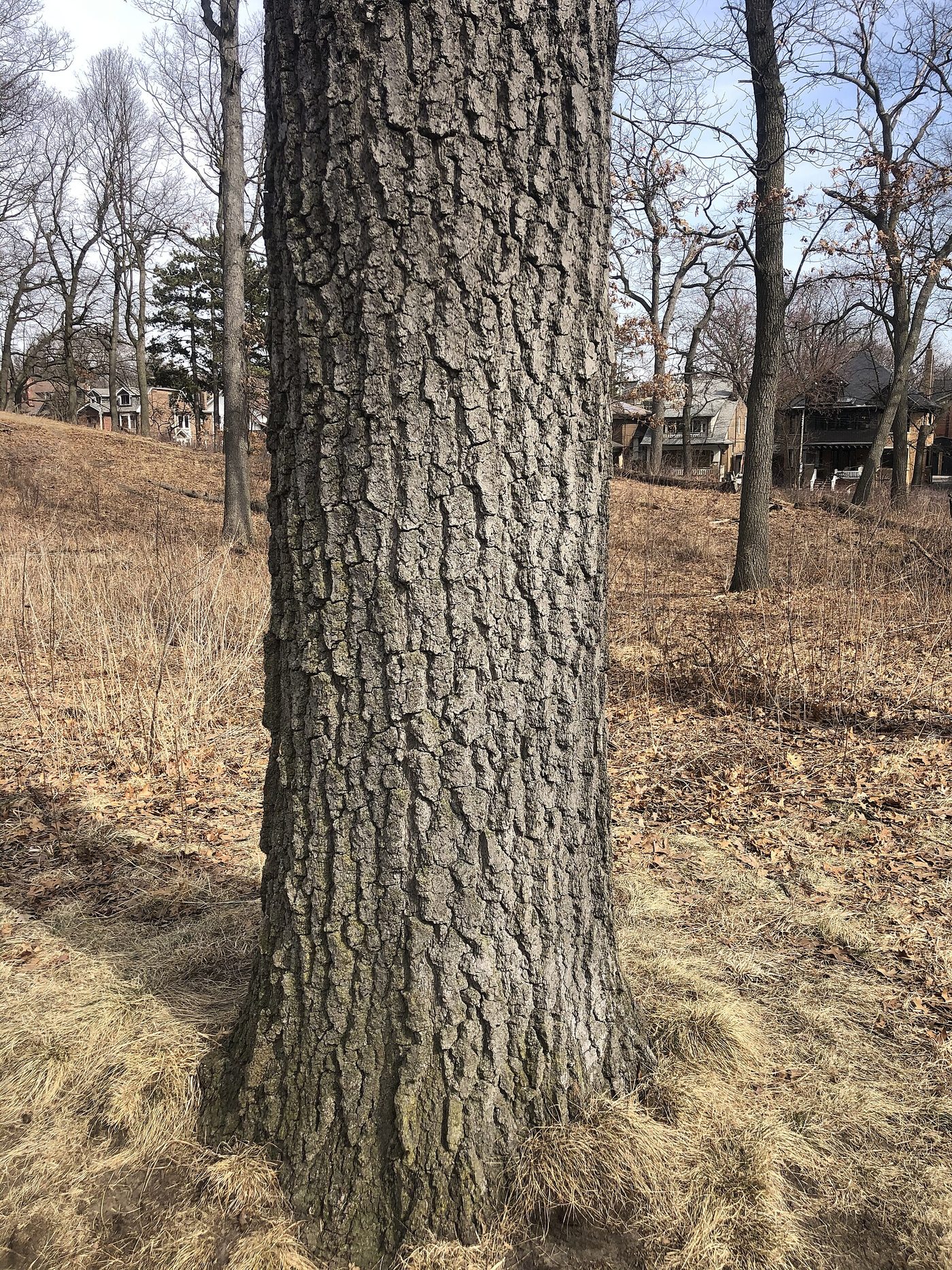
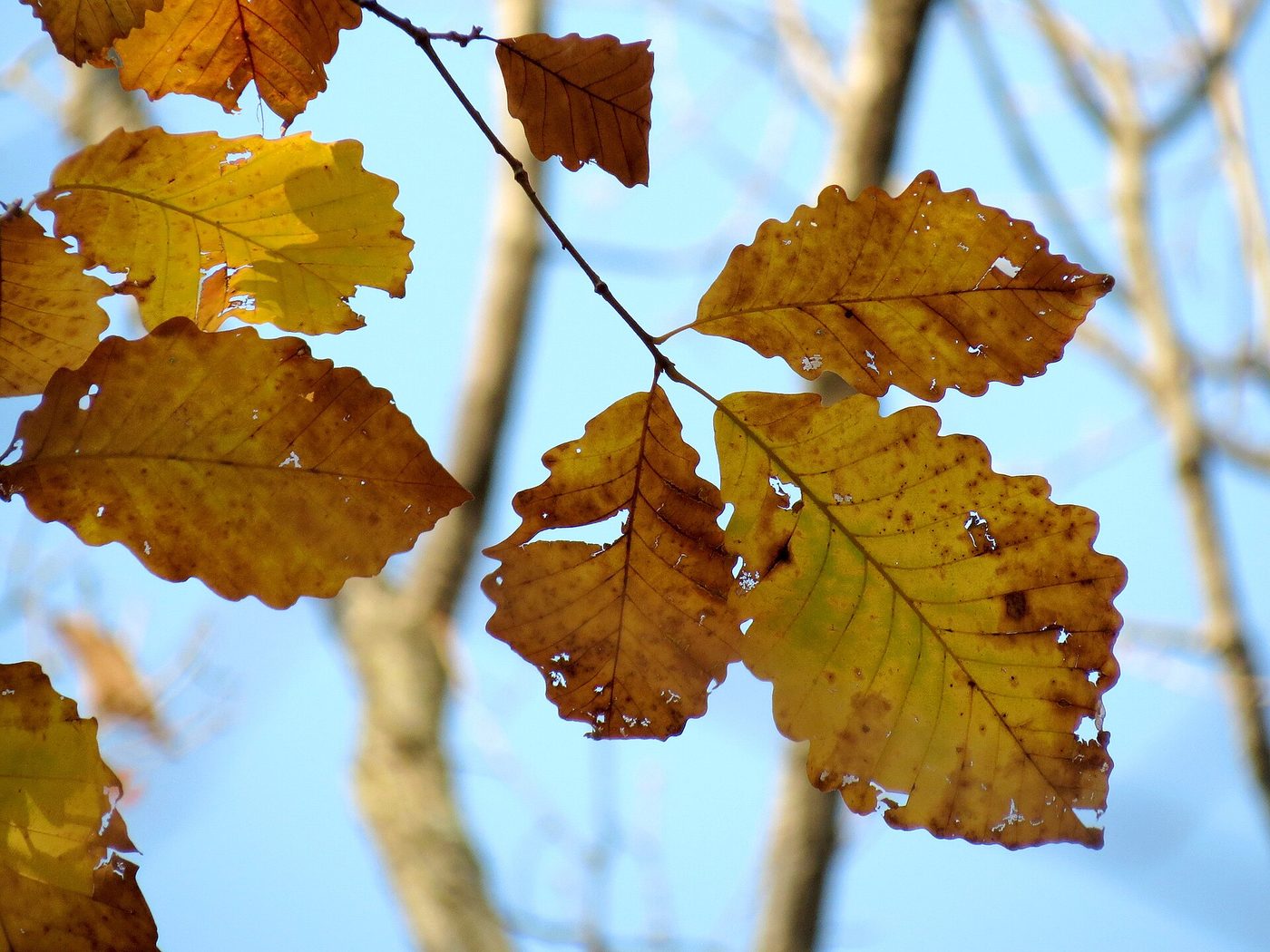
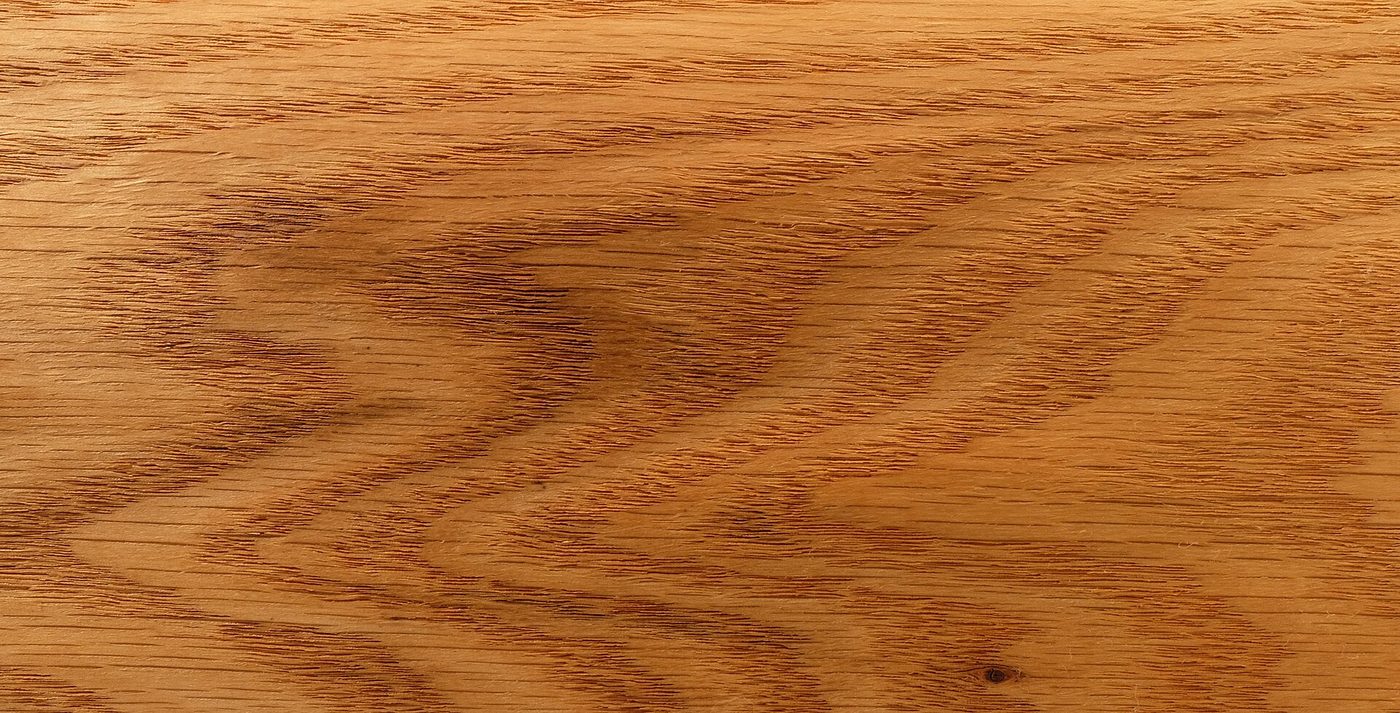
Photo: Not credited on Wikimedia Commons · Public domain (source)
Property data: USDA Forest Products Laboratory, Wood Handbook — Wood as an Engineering Material, FPL-GTR-282 (2021).