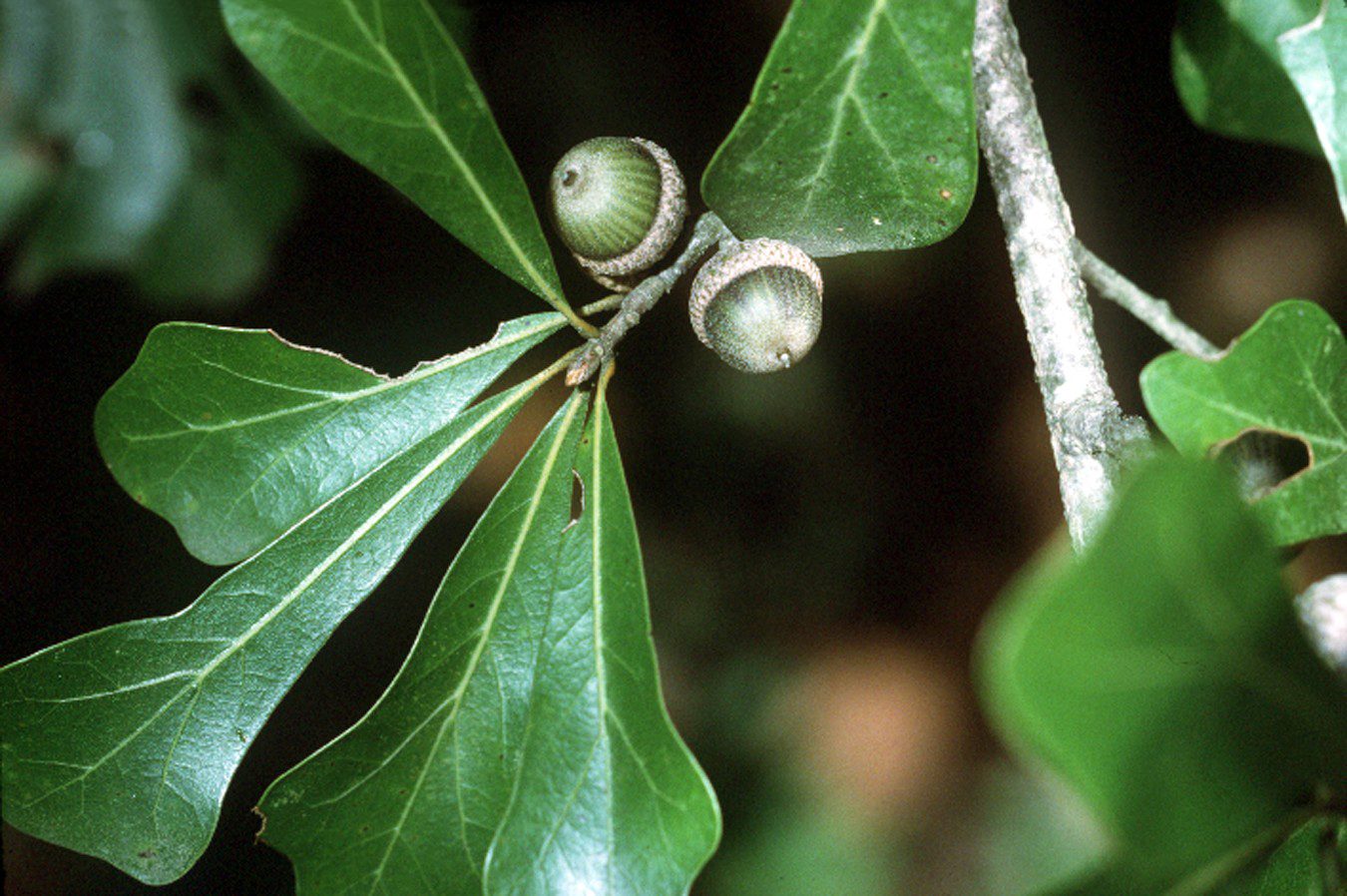
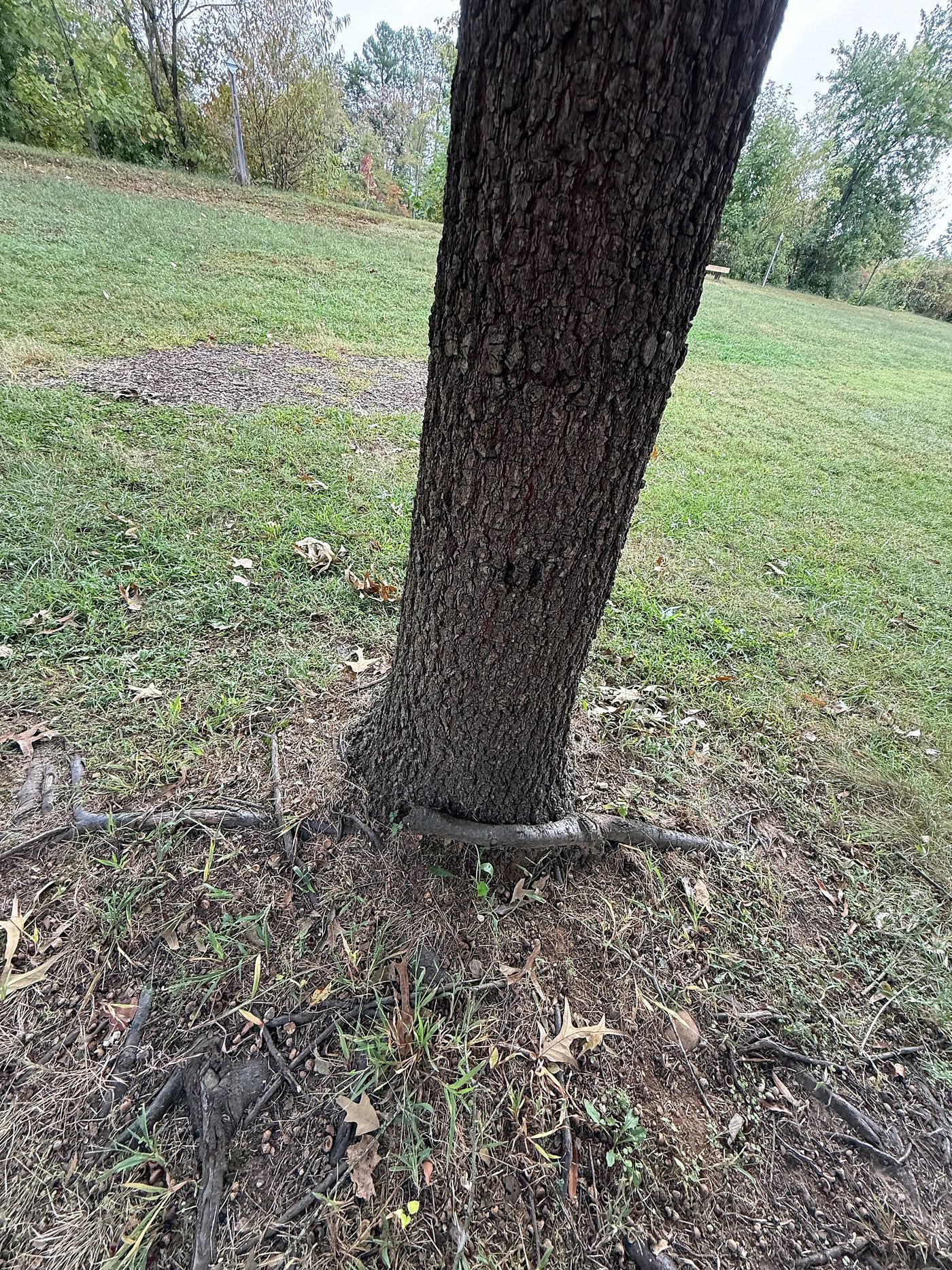
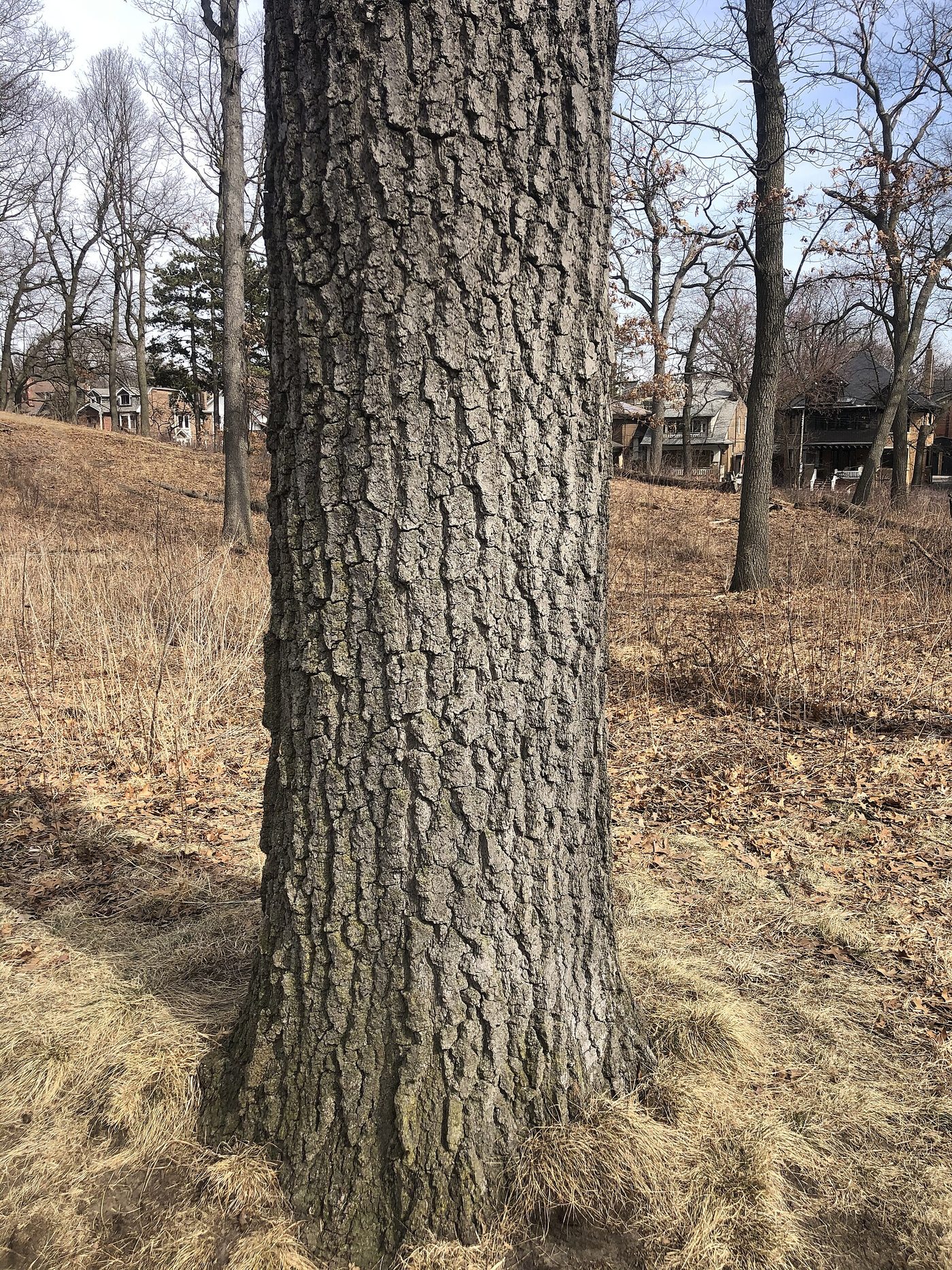
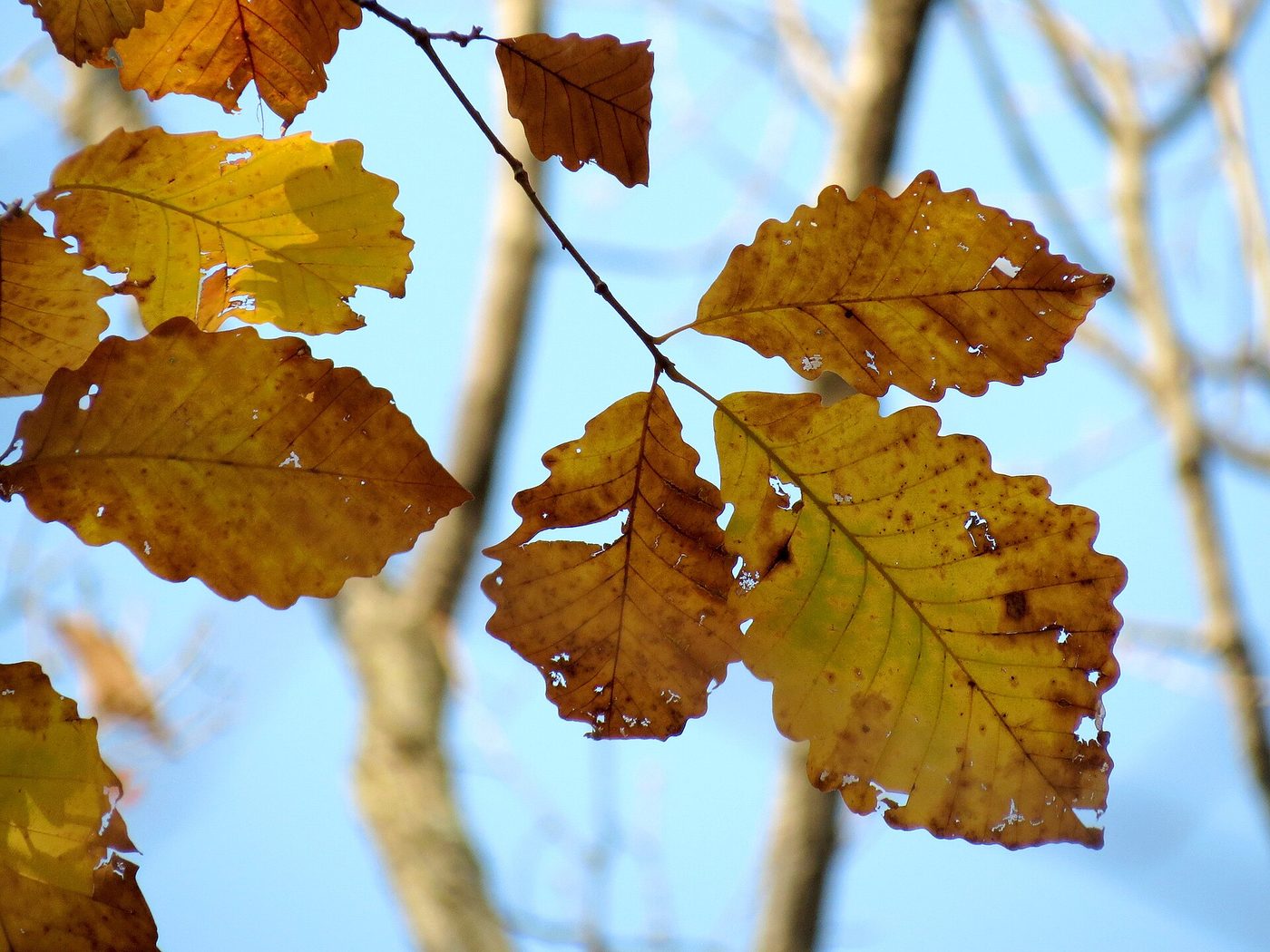
Chestnut Oak
Quercus montana · Hardwood · North America
Properties
| Janka hardness | 1,130 lbf (5,026 N) |
|---|---|
| Average dried weight (est.) | 41 lb/ft³ (660 kg/m³) |
| Specific gravity | 0.66 |
| Modulus of rupture | 13,300 psi (91.7 MPa) |
| Modulus of elasticity | 1.59 million psi (10.96 GPa) |
| Crushing strength | 6,830 psi (47.1 MPa) |
| Shrinkage — radial | 5.3% |
| Shrinkage — tangential | 10.8% |
| Shrinkage — volumetric | 16.4% |
| Shrinkage T/R ratio | 2.0 |
Values at 12% moisture content, clear-wood averages. Source: USDA Forest Products Laboratory, Wood Handbook FPL-GTR-282 (2021), Table 5–3b p. 5–11; shrinkage Table 4–3 p. 4–8.
Chestnut oak is a heavy member of the white oak group (specific gravity 0.66, Janka hardness 1,130 lbf), common on the rocky ridges of the eastern United States. Its lumber is used like other white oaks — ties, flooring, furniture, and cooperage stock.
Appearance & grain
Chestnut oak is a white oak: the heartwood is generally grayish brown and the sapwood nearly white, about 1 to 2 inches wide. In most white oaks the heartwood pores are plugged with tyloses, although the Handbook notes that many of chestnut oak's pores are exceptions and lack them.
Durability
The Handbook credits white oak heartwood with good natural resistance to decay, one reason the group has long been specified for ties, posts, and boat work.
Workability
White oaks are heavier than red oaks and are worked much the same way, with the group's decay-resistant heartwood suiting it to heavy outdoor construction. The Handbook gives no separate machining statement for chestnut oak beyond the white oak group account.
Common uses
- Lumber
- Railroad crossties
- Tight cooperage
- Mine timbers
- Fence posts
- Veneer
- Ship and boat planking and bent parts
- Furniture
- Flooring
- Pallets
- Agricultural implements
- Railroad cars
- Truck floors
- Doors
- Millwork
- Fuelwood
Conservation: IUCN Red List: Least Concern (checked 2026-10-24).