Paper Birch
Betula papyrifera · Hardwood · North America
Properties
| Janka hardness | 910 lbf (4,048 N) |
|---|---|
| Average dried weight (est.) | 34 lb/ft³ (550 kg/m³) |
| Specific gravity | 0.55 |
| Modulus of rupture | 12,300 psi (84.8 MPa) |
| Modulus of elasticity | 1.59 million psi (10.96 GPa) |
| Crushing strength | 5,690 psi (39.2 MPa) |
| Shrinkage — radial | 6.3% |
| Shrinkage — tangential | 8.6% |
| Shrinkage — volumetric | 16.2% |
| Shrinkage T/R ratio | 1.4 |
Values at 12% moisture content, clear-wood averages. Source: USDA Forest Products Laboratory, Wood Handbook FPL-GTR-282 (2021), Table 5–3b p. 5–9; shrinkage Table 4–3 p. 4–8.
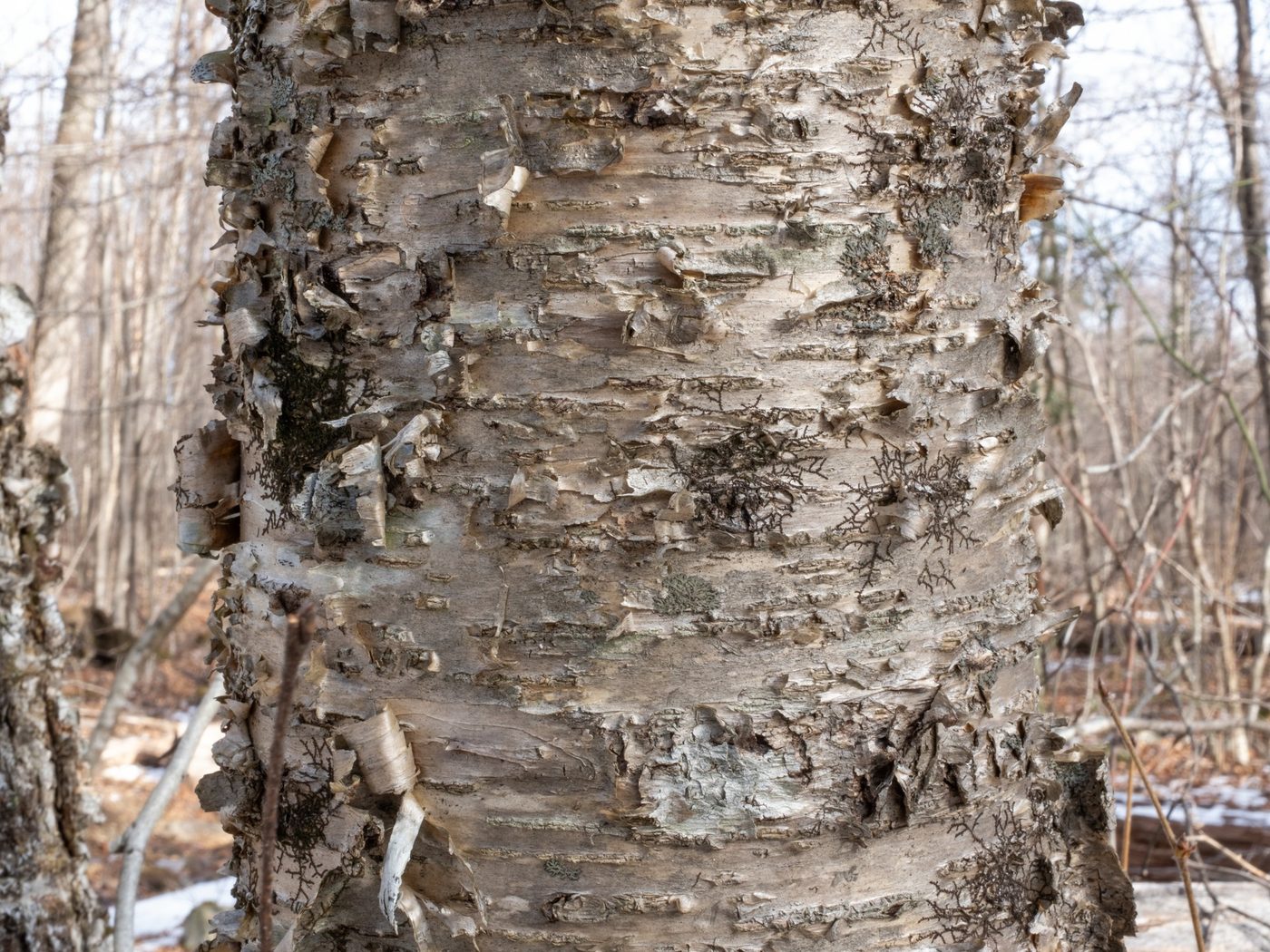
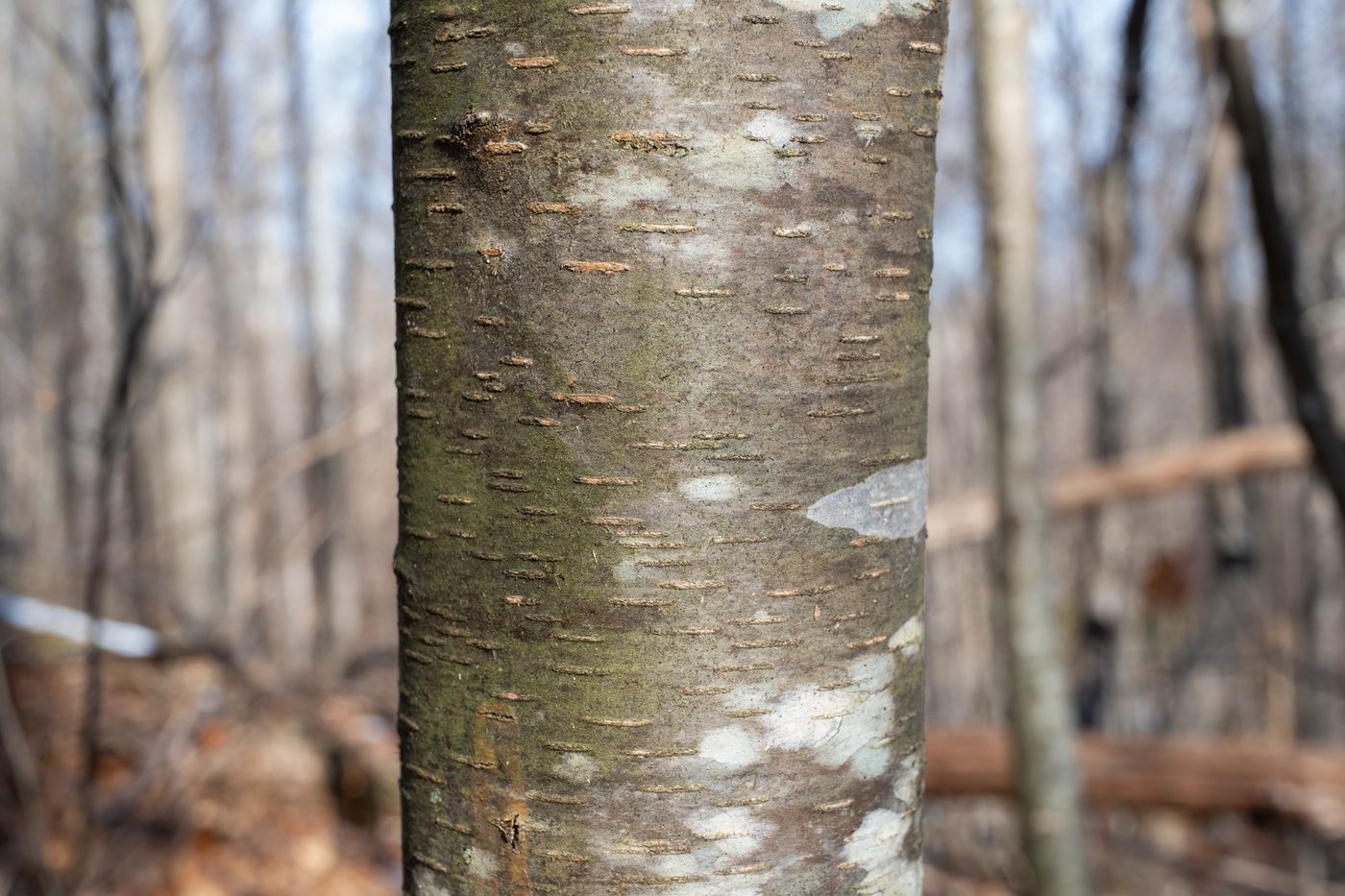
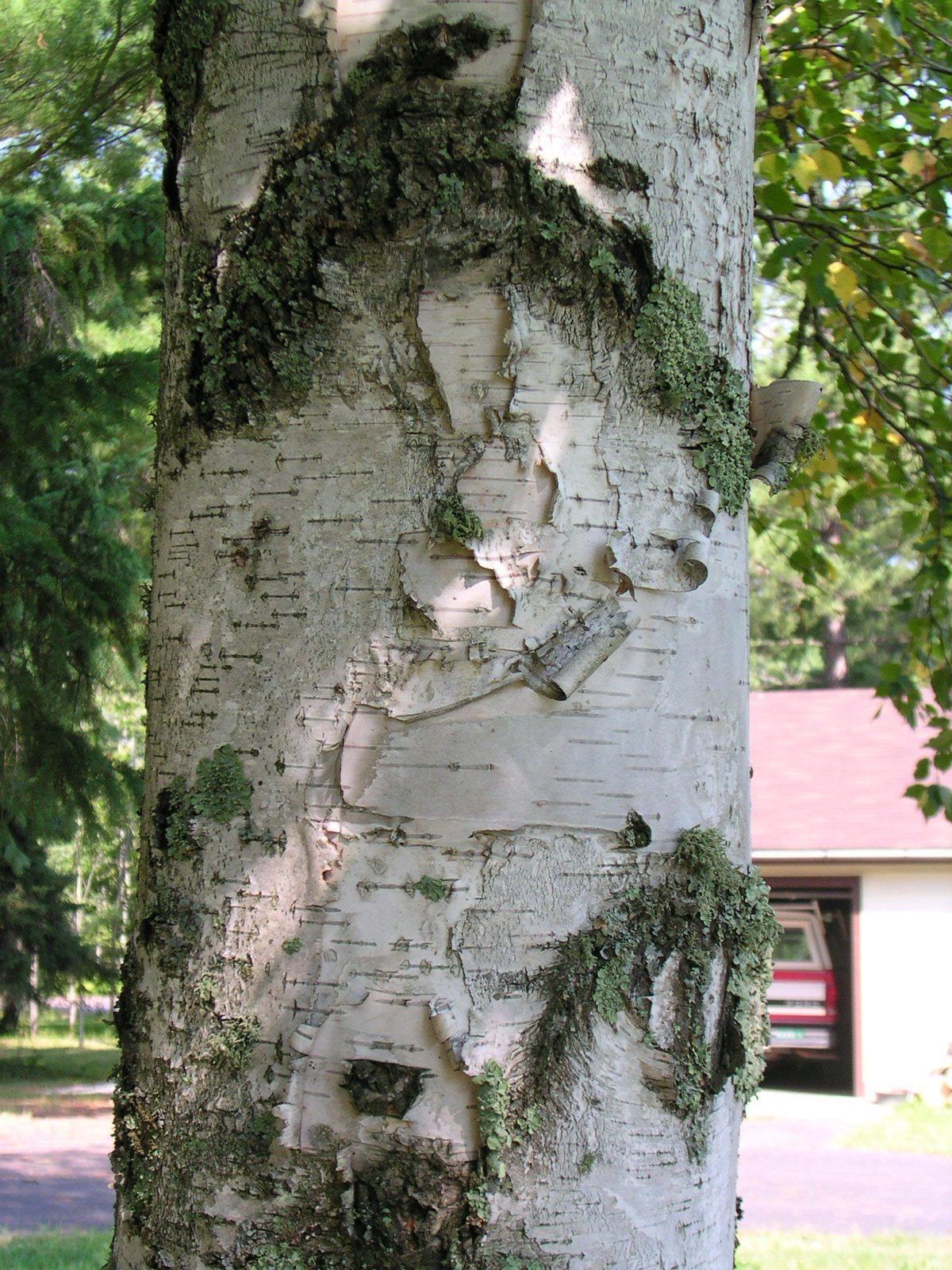
Paper birch is the lighter, softer of the commercial birches (specific gravity 0.55, Janka hardness 910 lbf), better known for its white bark than its lumber. What wood is harvested goes largely into small turned and specialty items and into birch plywood.
Appearance & grain
Paper birch shares the birch group's fine, uniform texture. The Handbook notes it is lighter in color and weight than yellow and sweet birch, with correspondingly lower strength.
Workability
The Handbook notes that birch shrinks considerably in drying, so stock needs careful seasoning. Paper birch's lower density compared with yellow and sweet birch makes it the gentler of the group under tools, at the cost of strength.
Common uses
- Toothpicks
- Tongue depressors
- Ice cream sticks
- Turned products such as spools, bobbins, small handles, and toys
- Plywood for doors, furniture, paneling, and cabinets
Conservation: IUCN Red List: Least Concern (checked 2026-10-24).