Southern Red Oak
Quercus falcata · Hardwood · North America
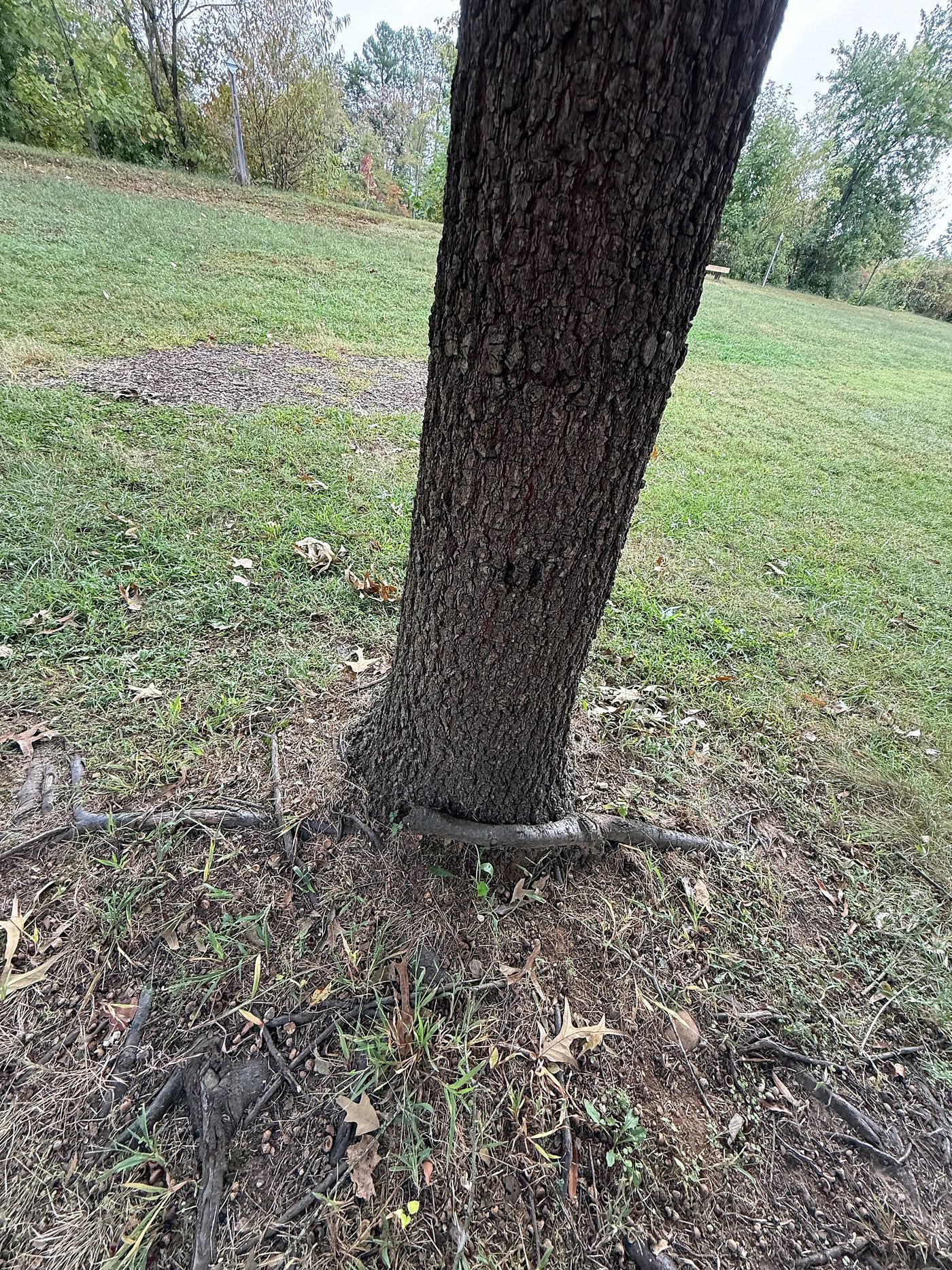
Properties
| Janka hardness | 1,060 lbf (4,715 N) |
|---|---|
| Average dried weight (est.) | 37 lb/ft³ (590 kg/m³) |
| Specific gravity | 0.59 |
| Modulus of rupture | 10,900 psi (75.2 MPa) |
| Modulus of elasticity | 1.49 million psi (10.27 GPa) |
| Crushing strength | 6,090 psi (42.0 MPa) |
| Shrinkage — radial | 4.7% |
| Shrinkage — tangential | 11.3% |
| Shrinkage — volumetric | 16.1% |
| Shrinkage T/R ratio | 2.4 |
Values at 12% moisture content, clear-wood averages. Source: USDA Forest Products Laboratory, Wood Handbook FPL-GTR-282 (2021), Table 5–3b p. 5–10; shrinkage Table 4–3 p. 4–8.
Southern red oak is a principal species of the red oak group (specific gravity 0.59, Janka hardness 1,060 lbf), somewhat lighter and weaker than northern red oak and with the group's highest volumetric shrinkage here at 16.1%. Its lumber is sold with the other red oaks for flooring, furniture, and millwork.
Appearance & grain
Southern red oak has the group appearance: nearly white sapwood about 2 to 5 cm wide and brown, red-tinged heartwood. The pores are open and tyloses are generally absent, so the wood cannot hold liquids in tight cooperage unless the barrels are lined.
Durability
Not durable untreated: the Handbook states that red oak railroad ties, mine timbers, and fence posts require preservative treatment to give satisfactory service.
Workability
The red oaks shrink fairly heavily in drying, and southern red oak's 16.1% volumetric shrinkage is the highest of the three red oaks in this directory. The Handbook states that its ties, mine timbers, and fence posts need preservative treatment for satisfactory service.
Common uses
- Flooring
- Furniture
- General millwork
- Railroad crossties
- Mine timbers
- Fence posts
- Veneer
- Boxes
- Pallets and crates
- Caskets
- Handles
- Pulpwood
- Fuelwood
Conservation: IUCN Red List: Least Concern (checked 2026-10-24).
Work with Southern Red Oak
Similar woods
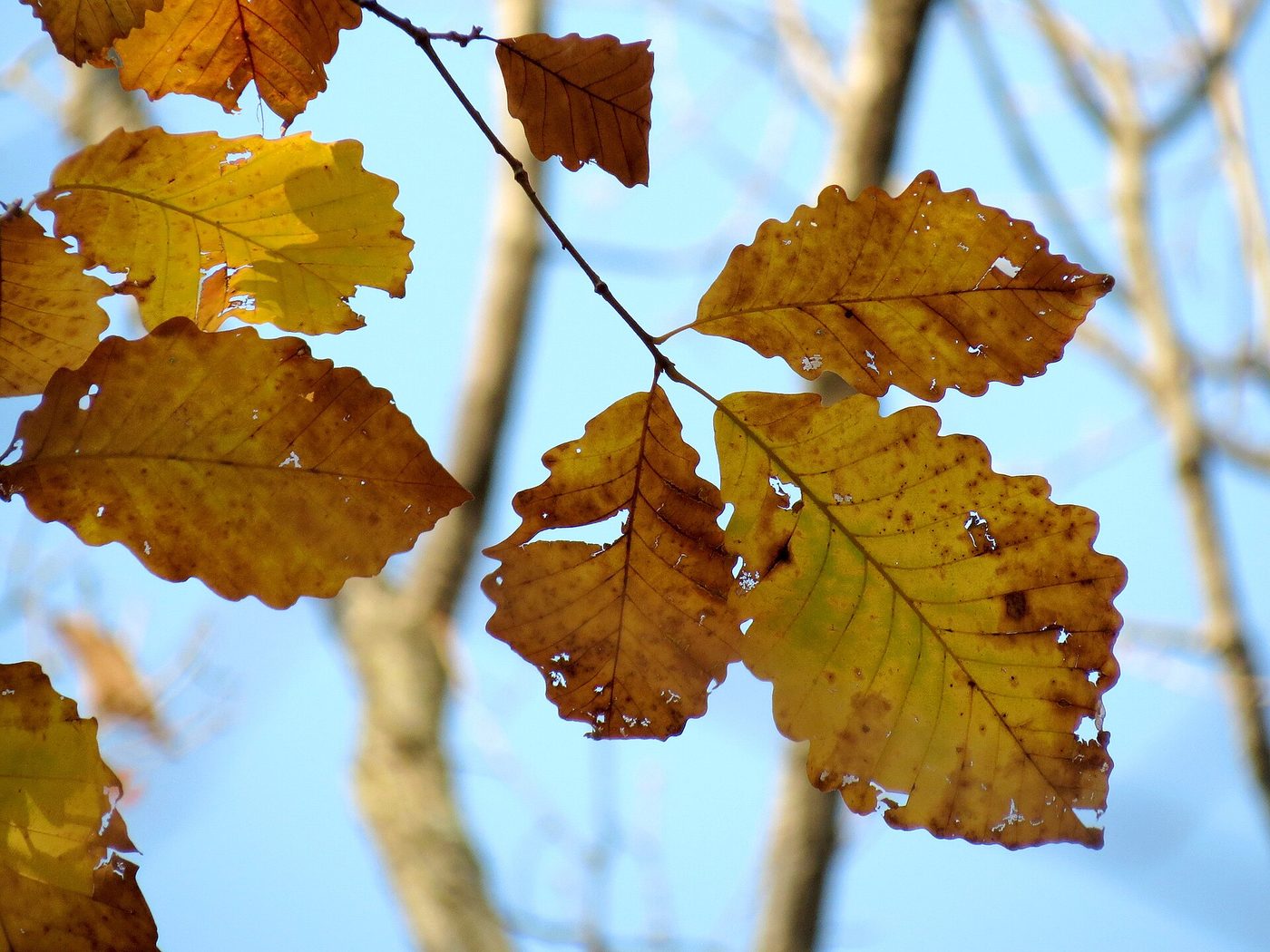
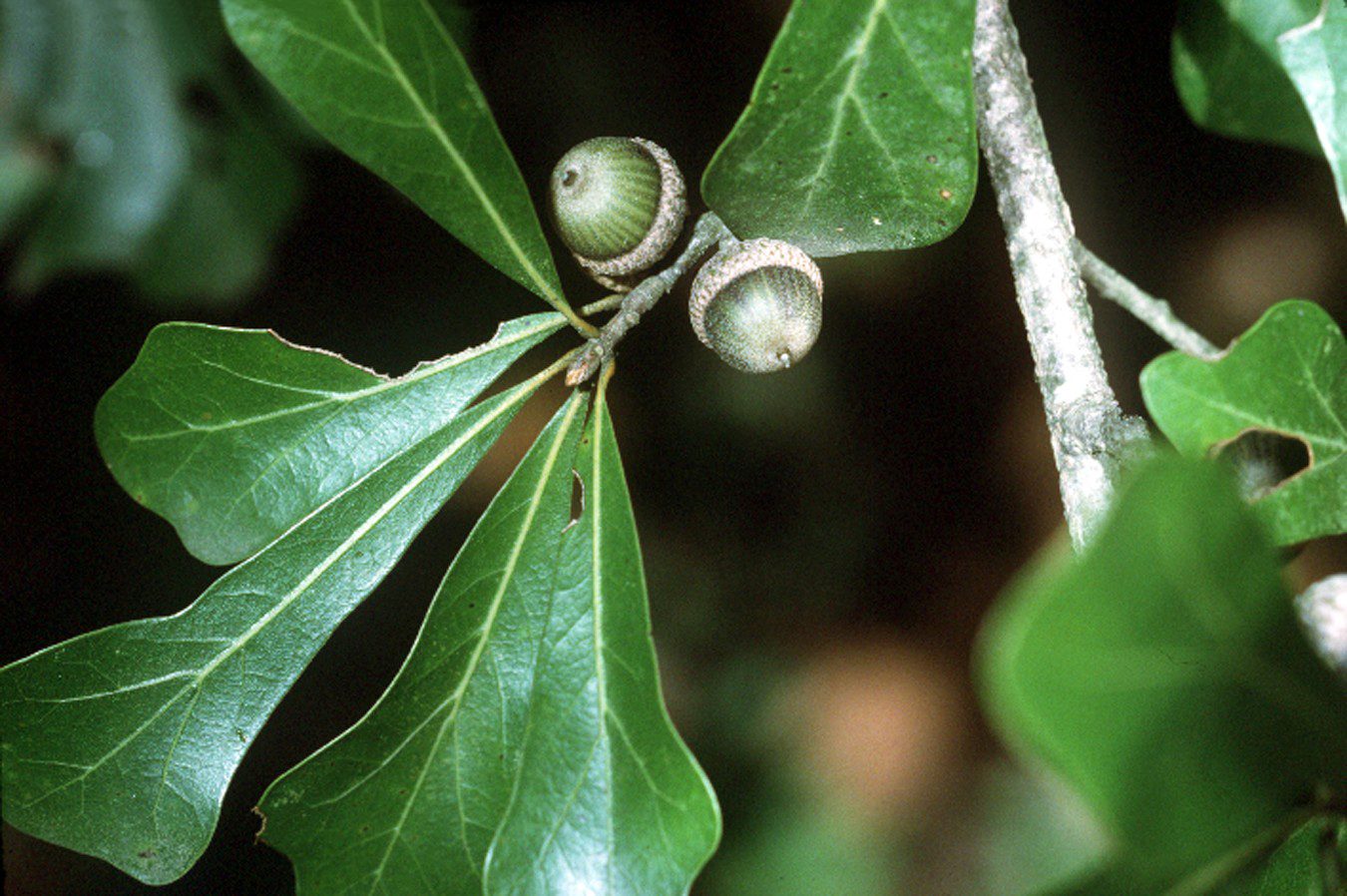
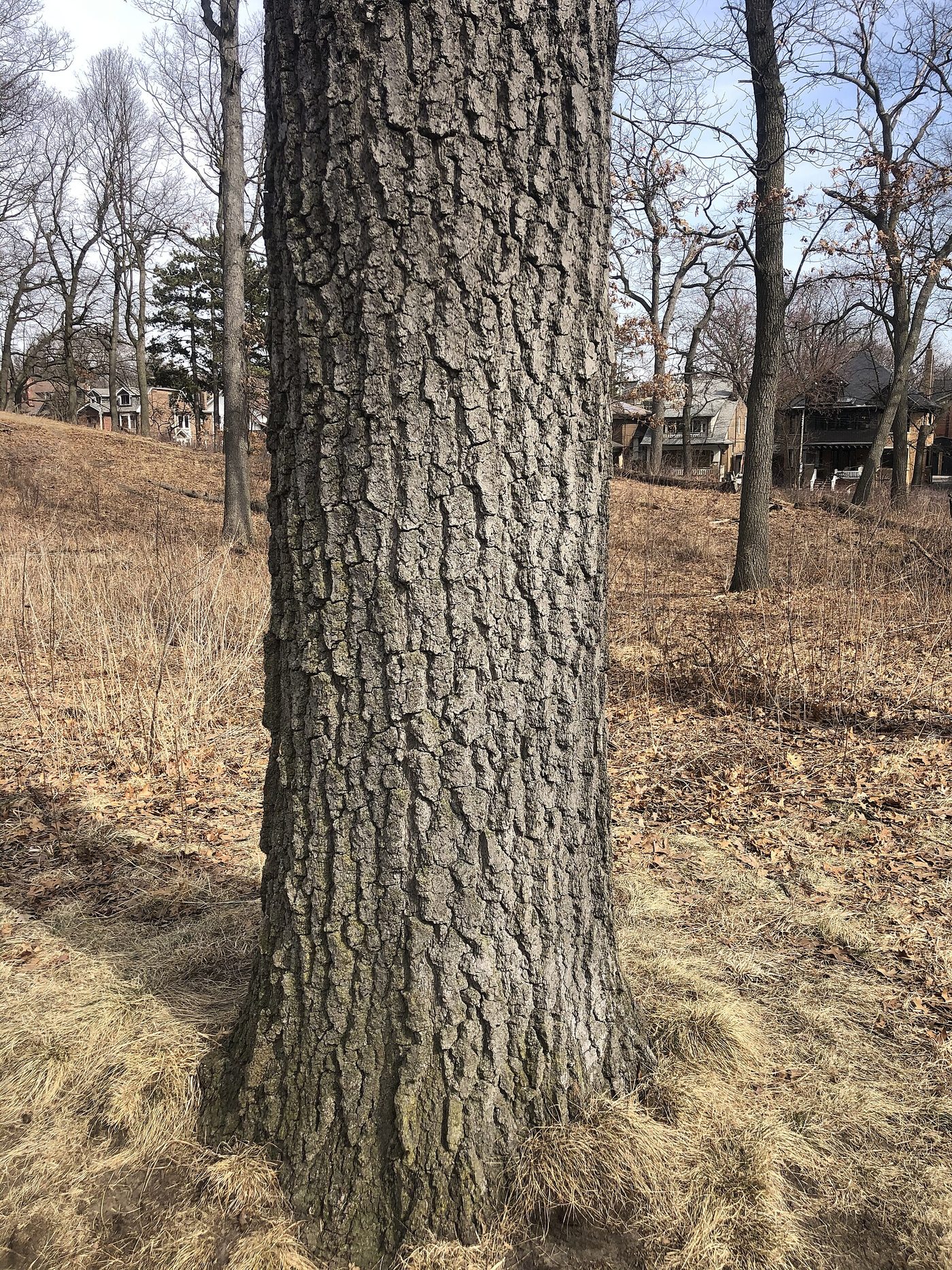
Photo: Cossey25 · CC BY-SA 4.0 (source)
Property data: USDA Forest Products Laboratory, Wood Handbook — Wood as an Engineering Material, FPL-GTR-282 (2021).